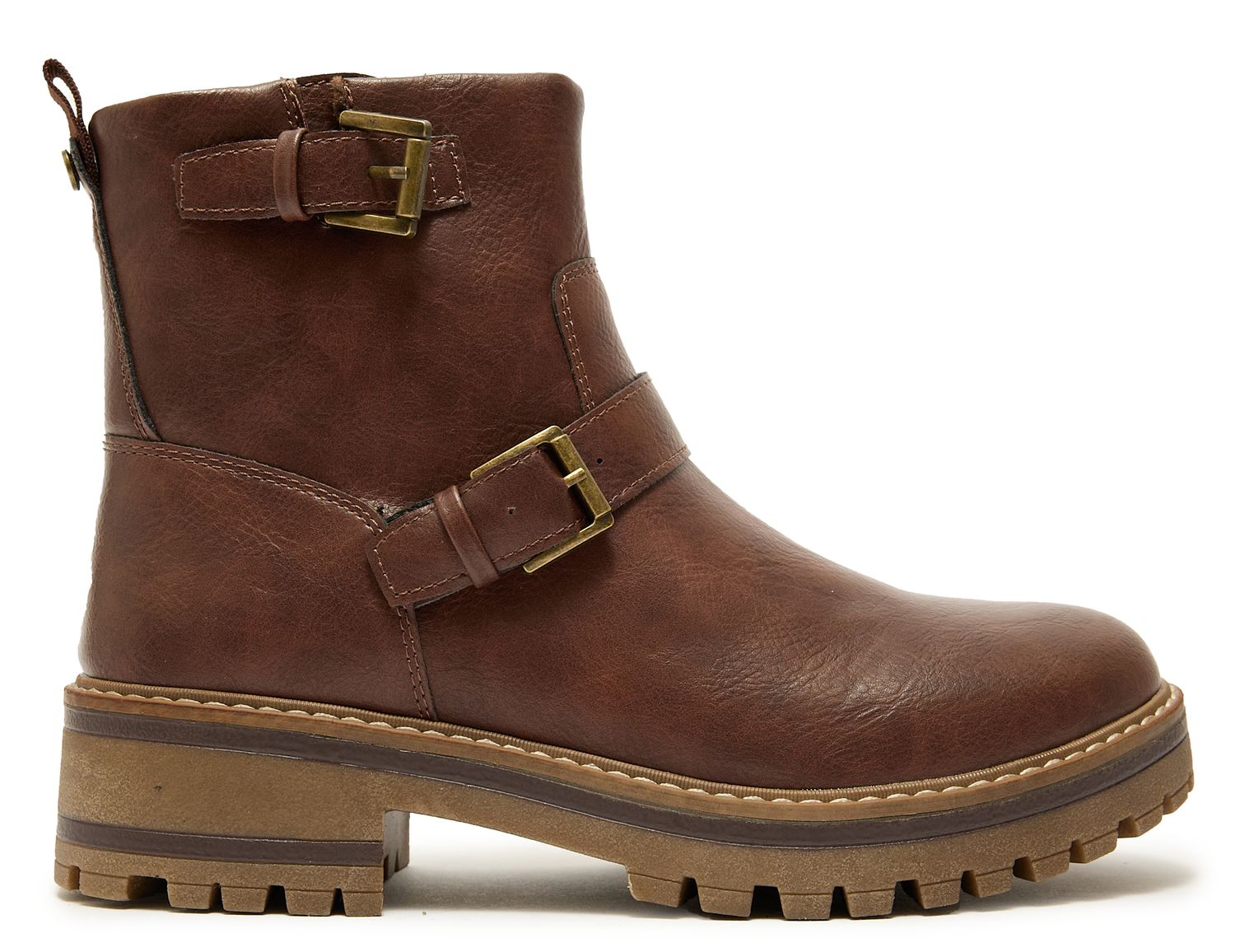
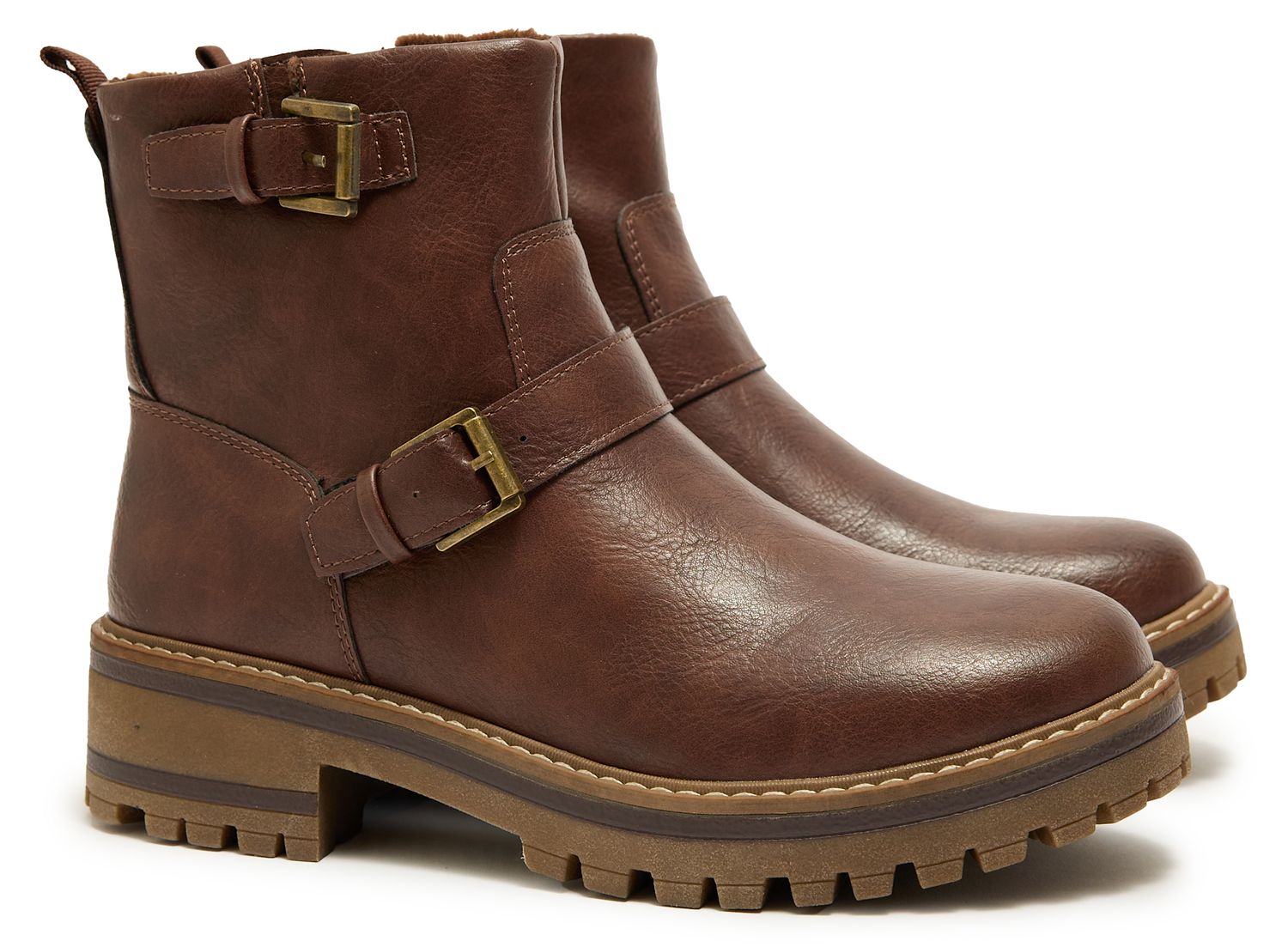
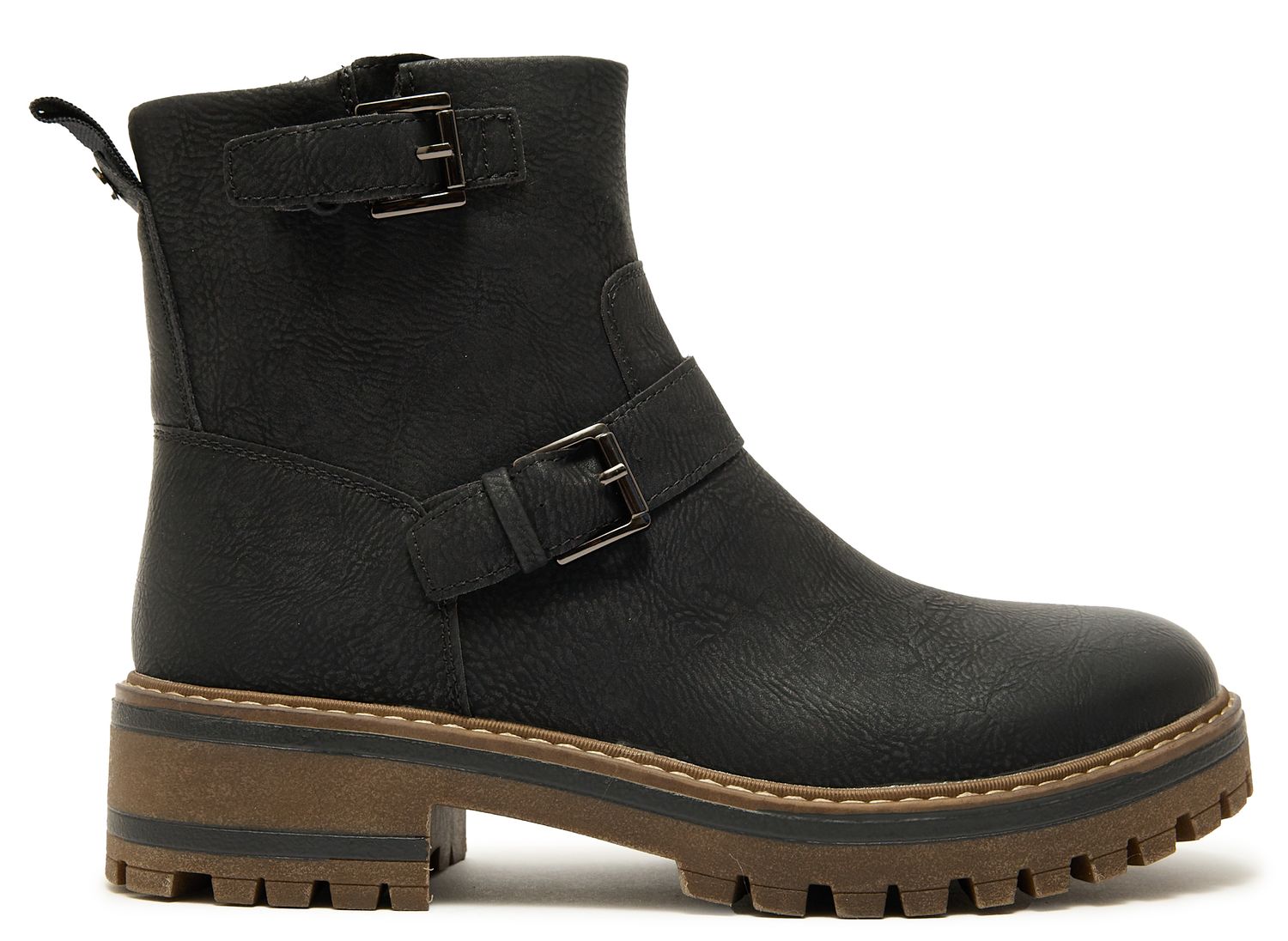
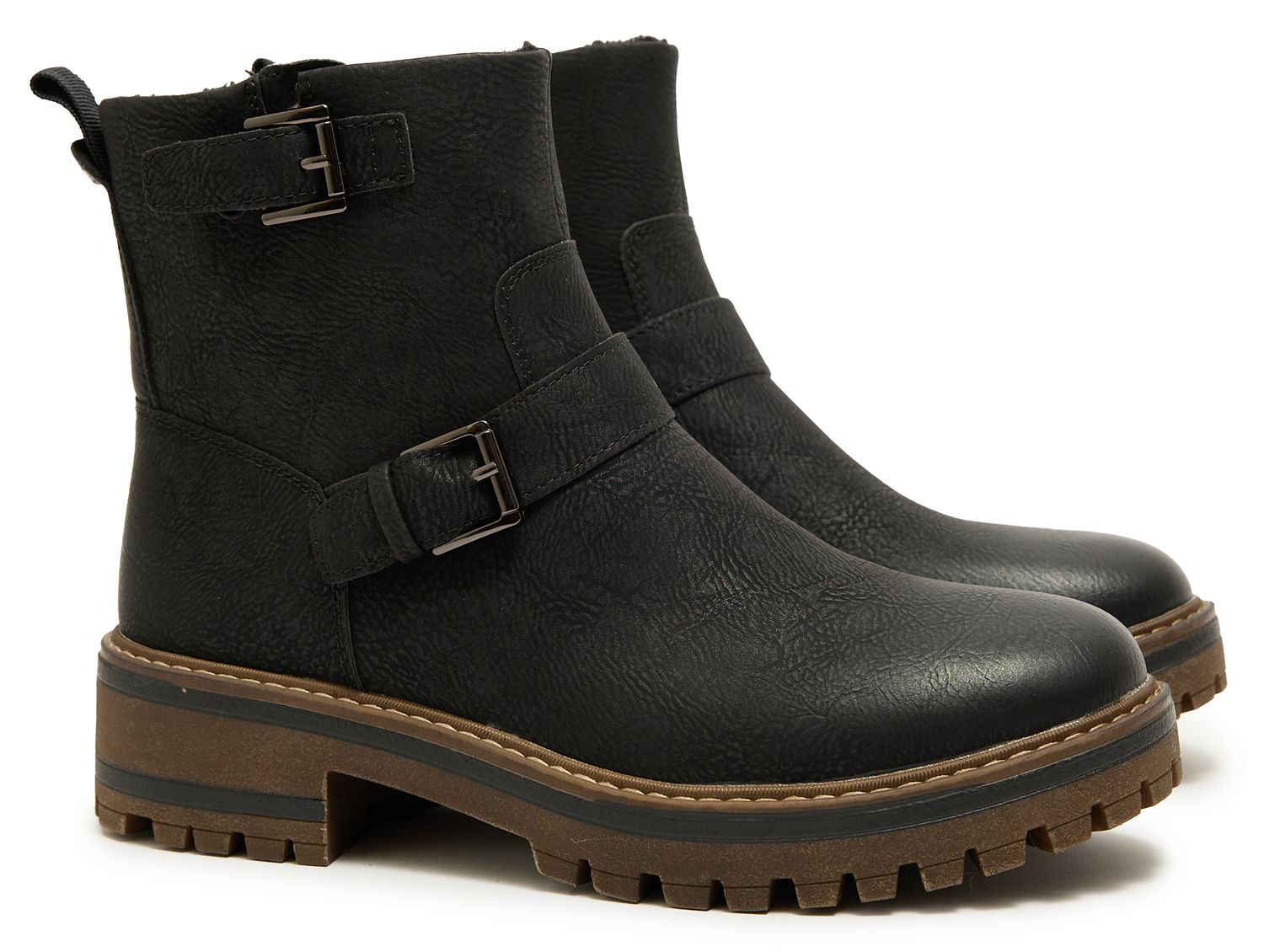
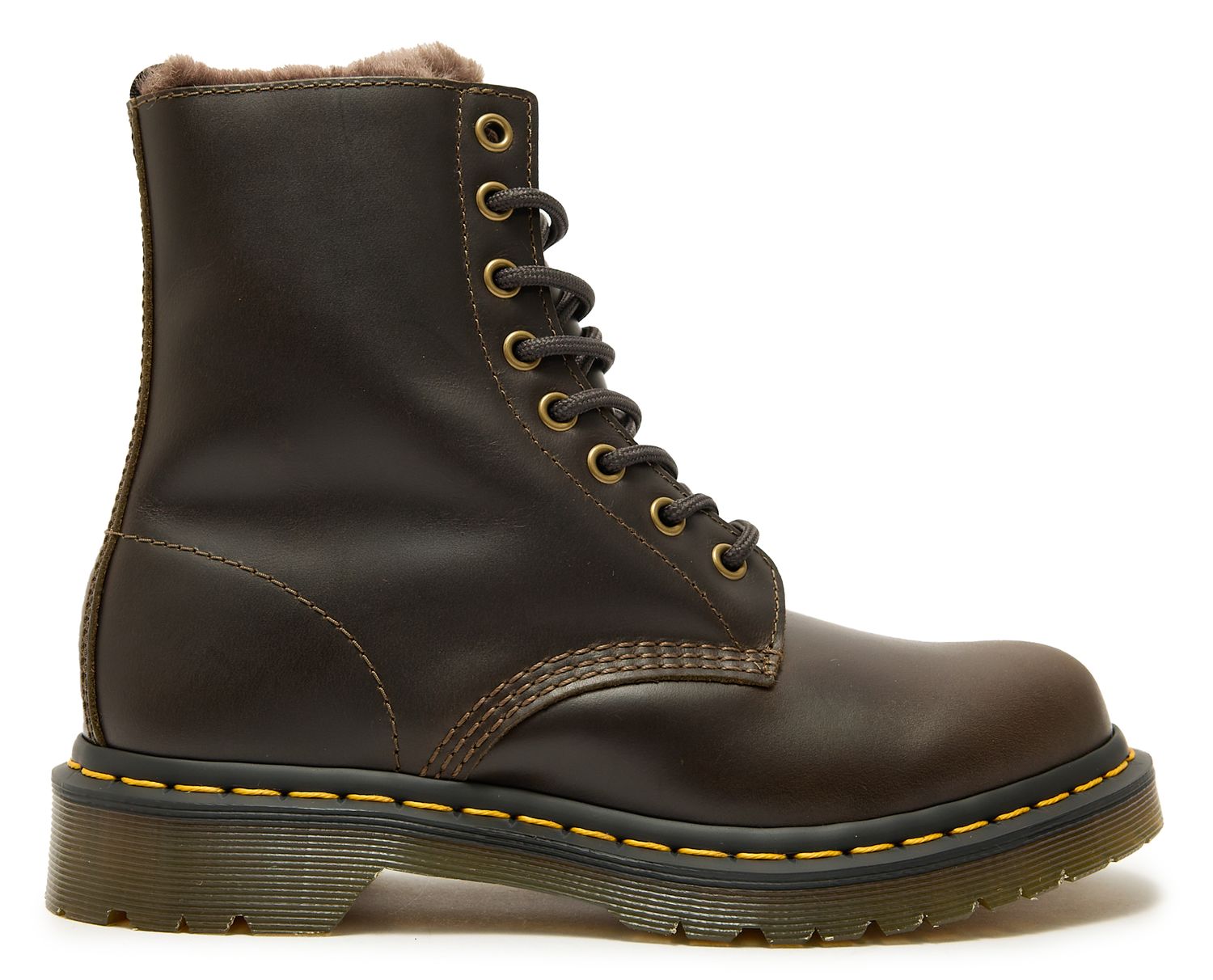
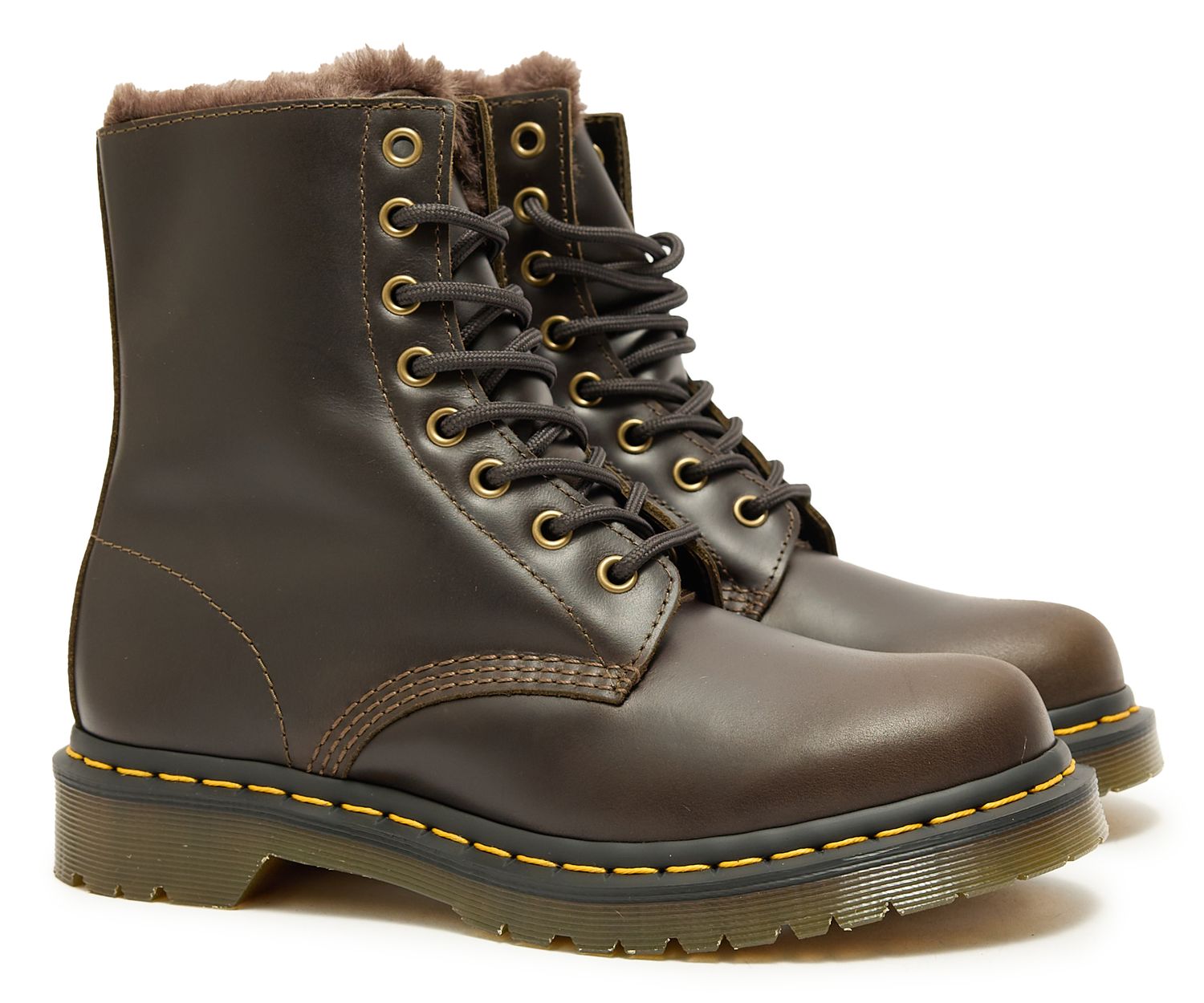
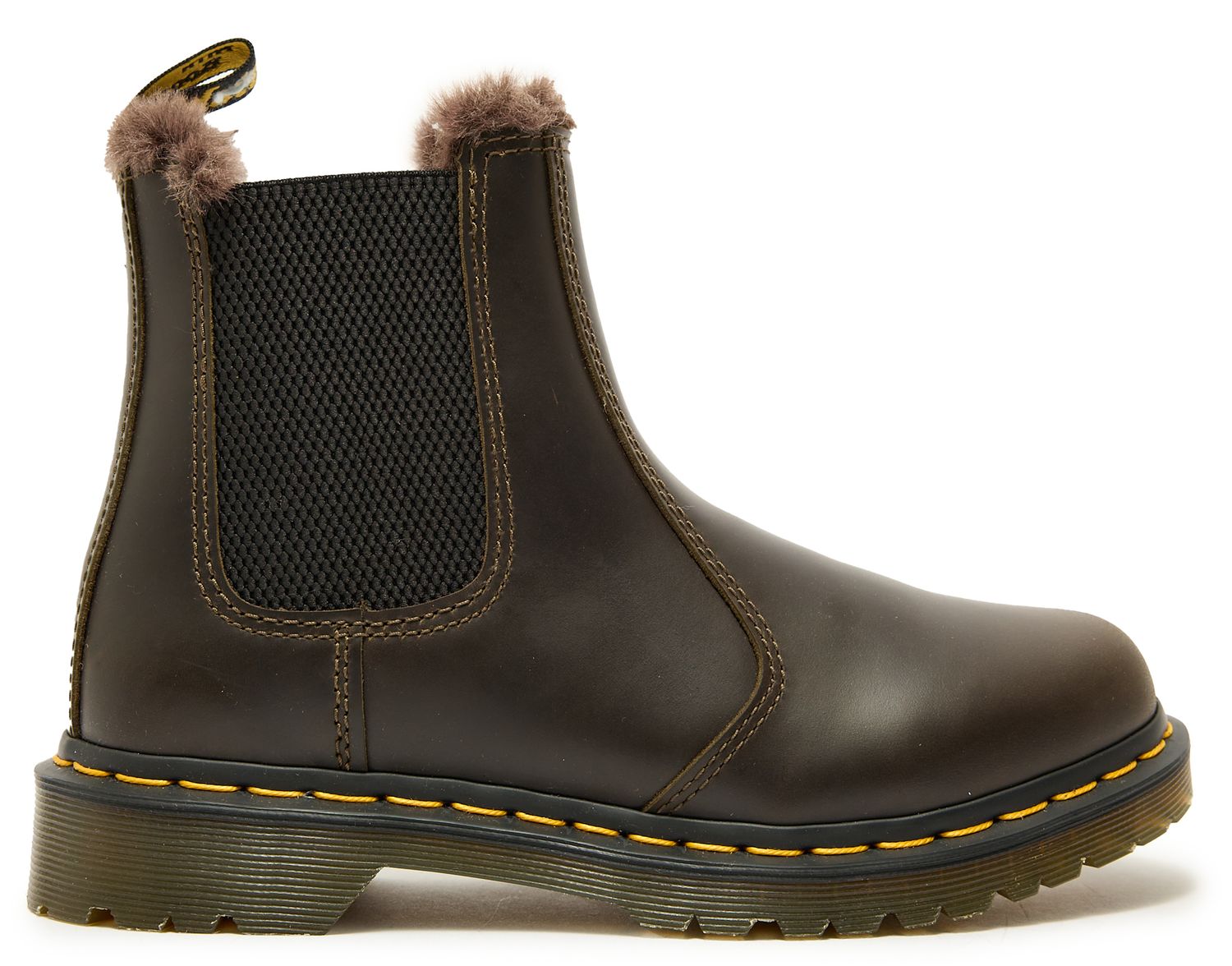
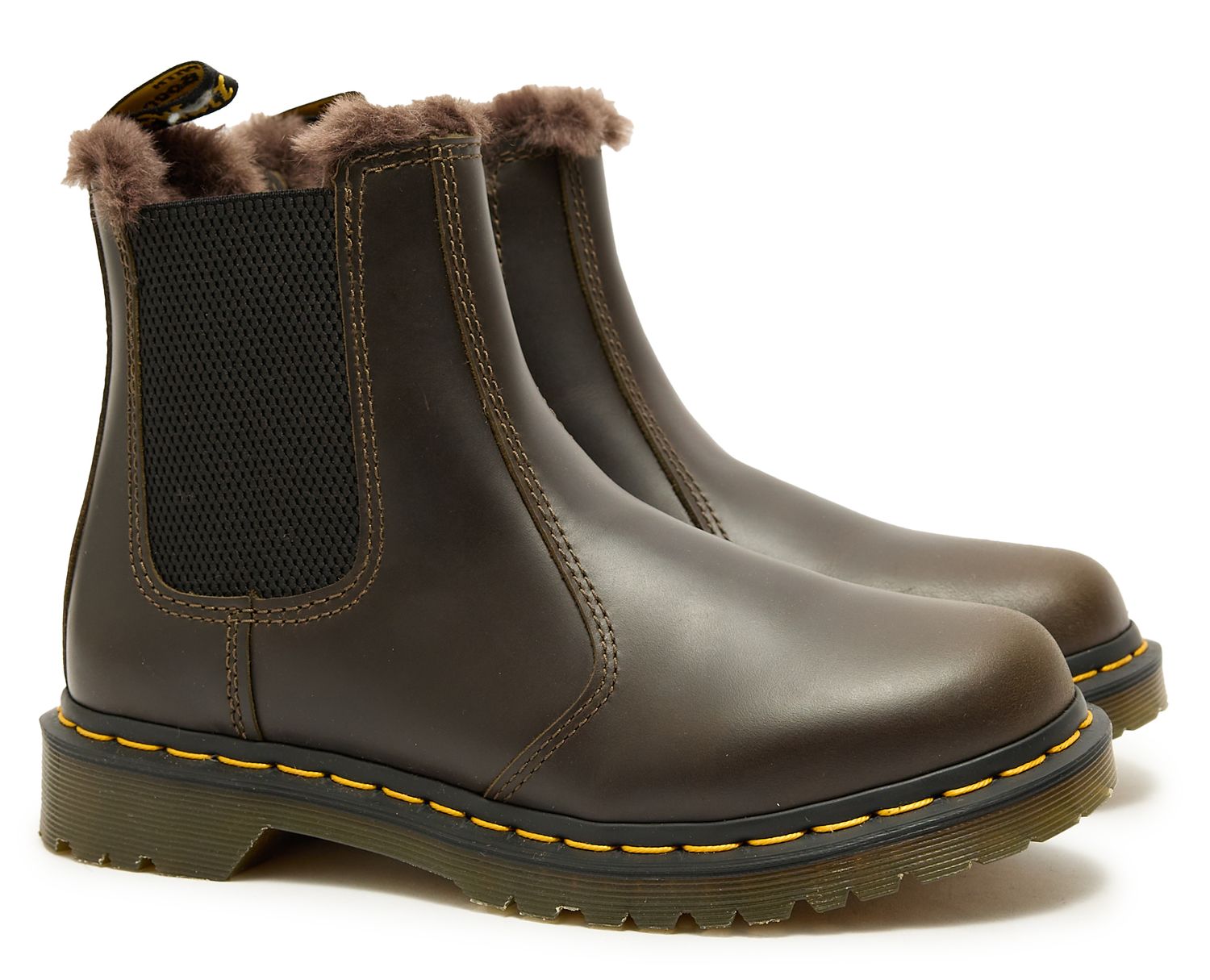
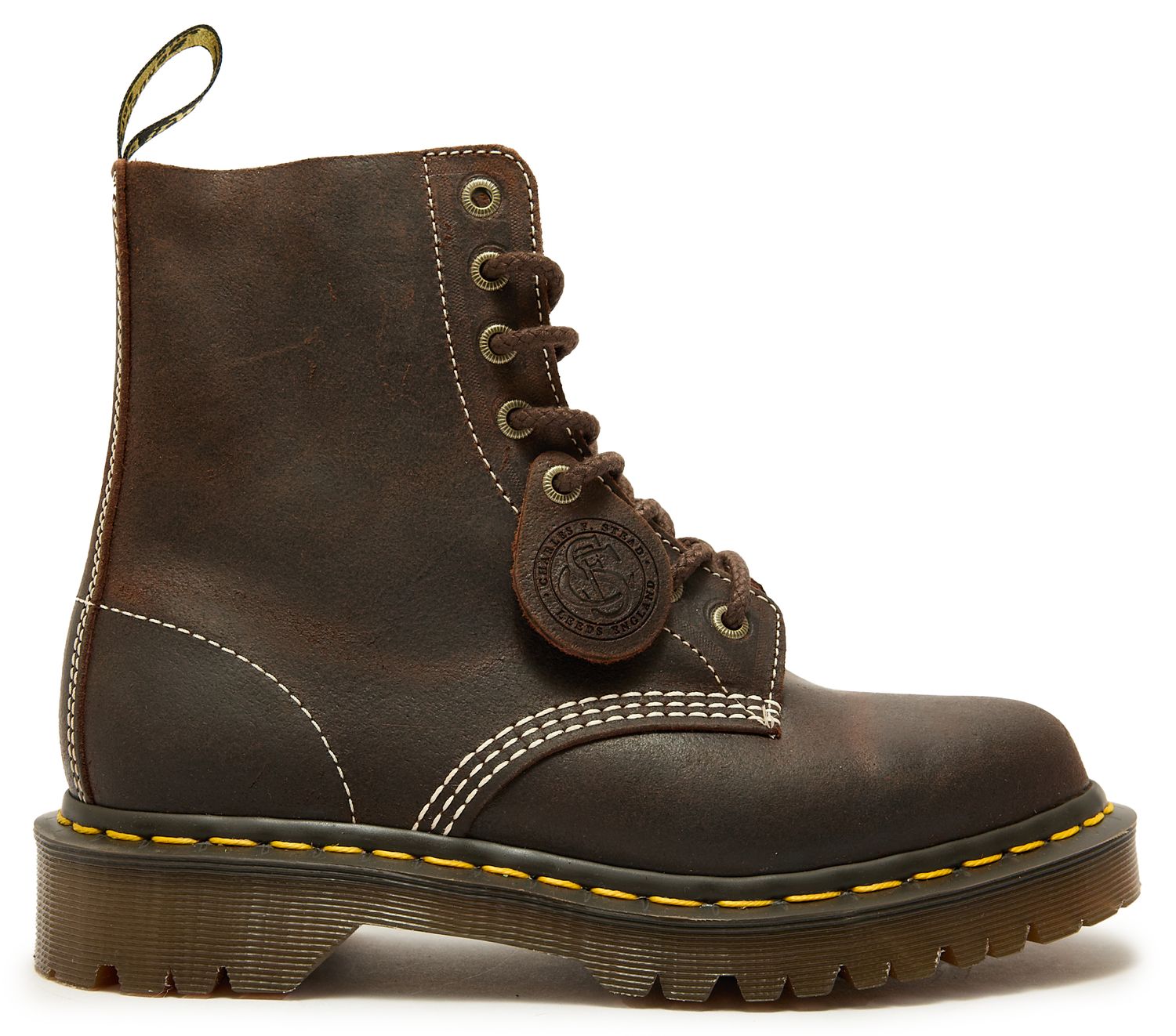
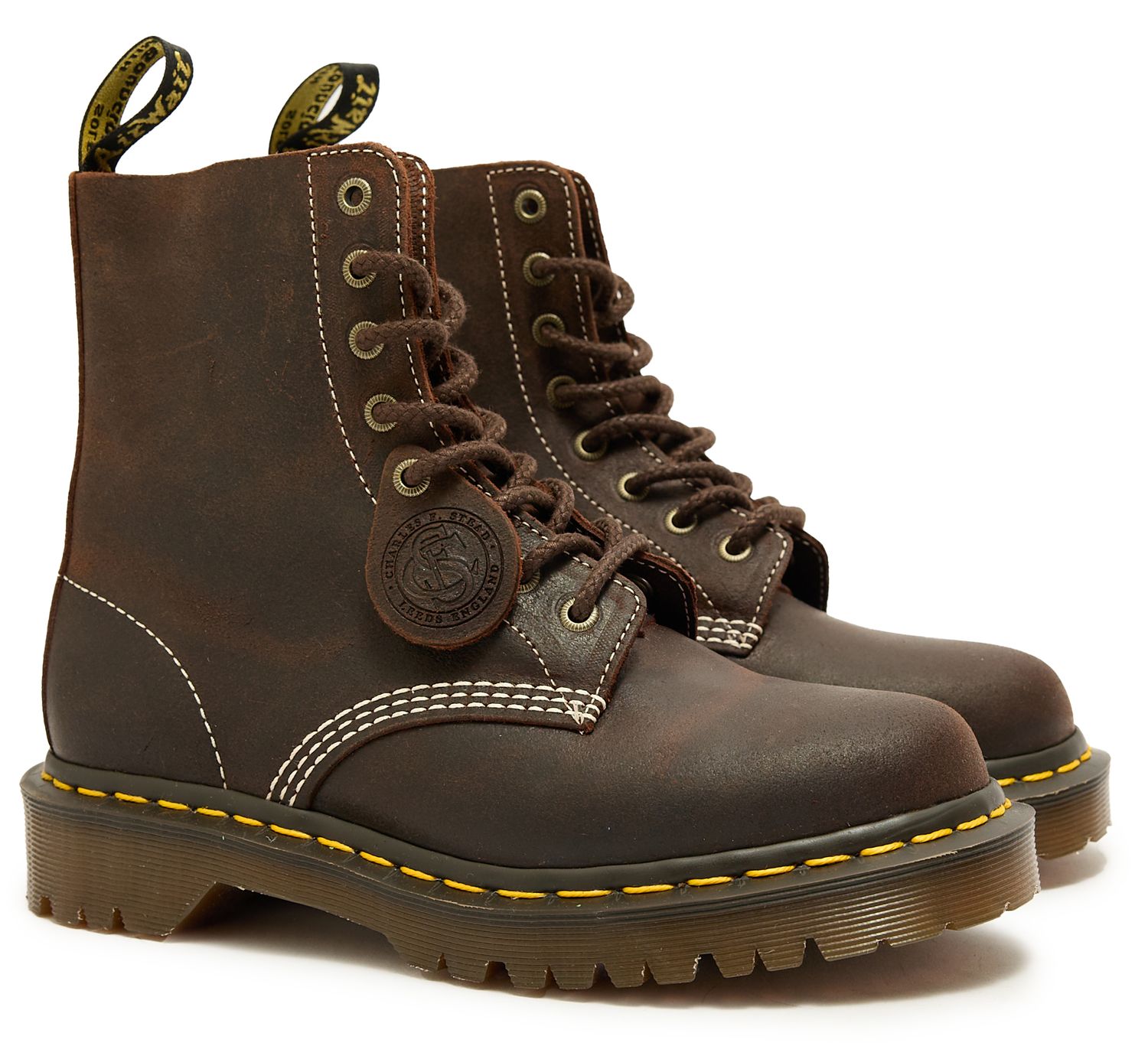
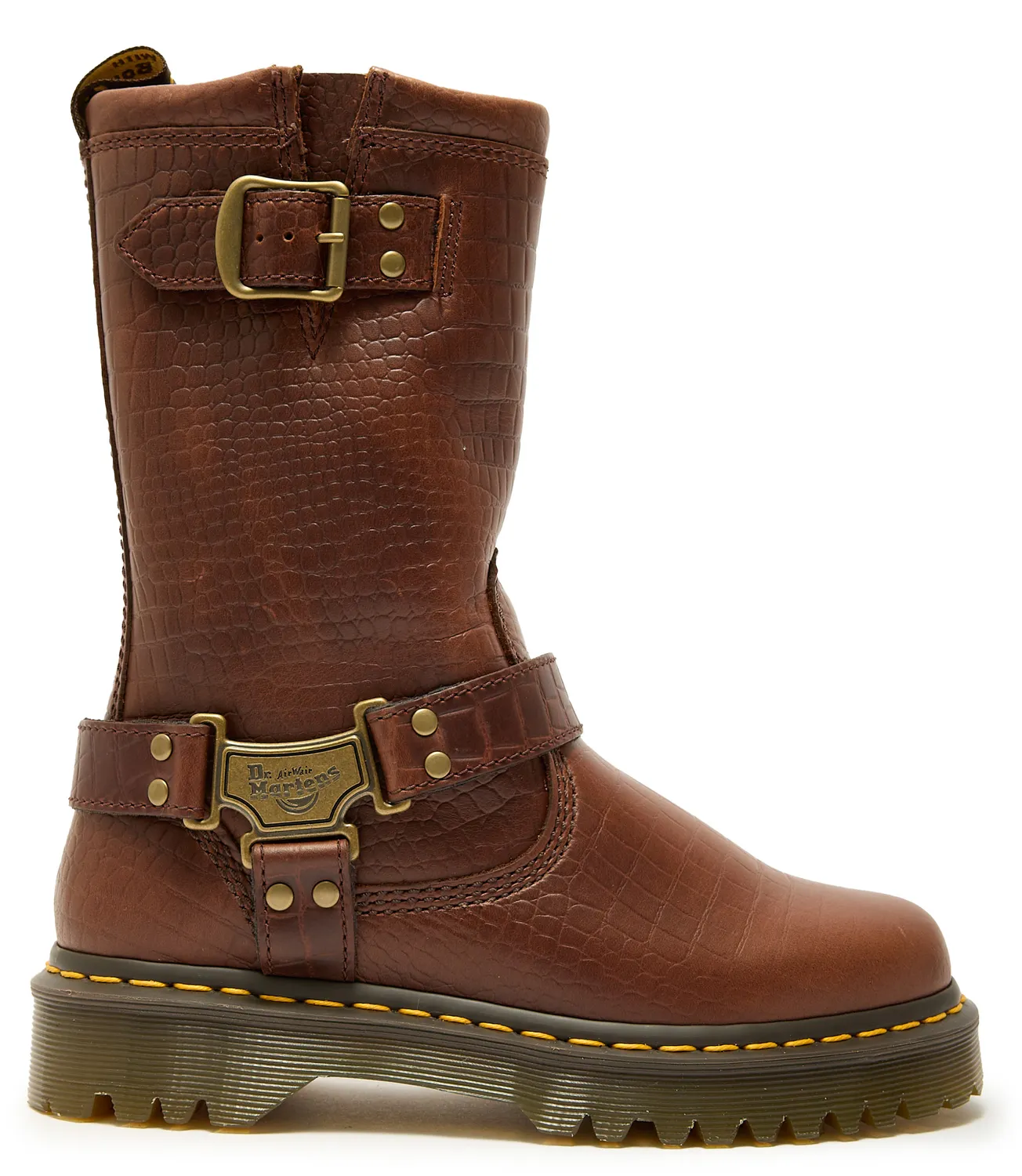
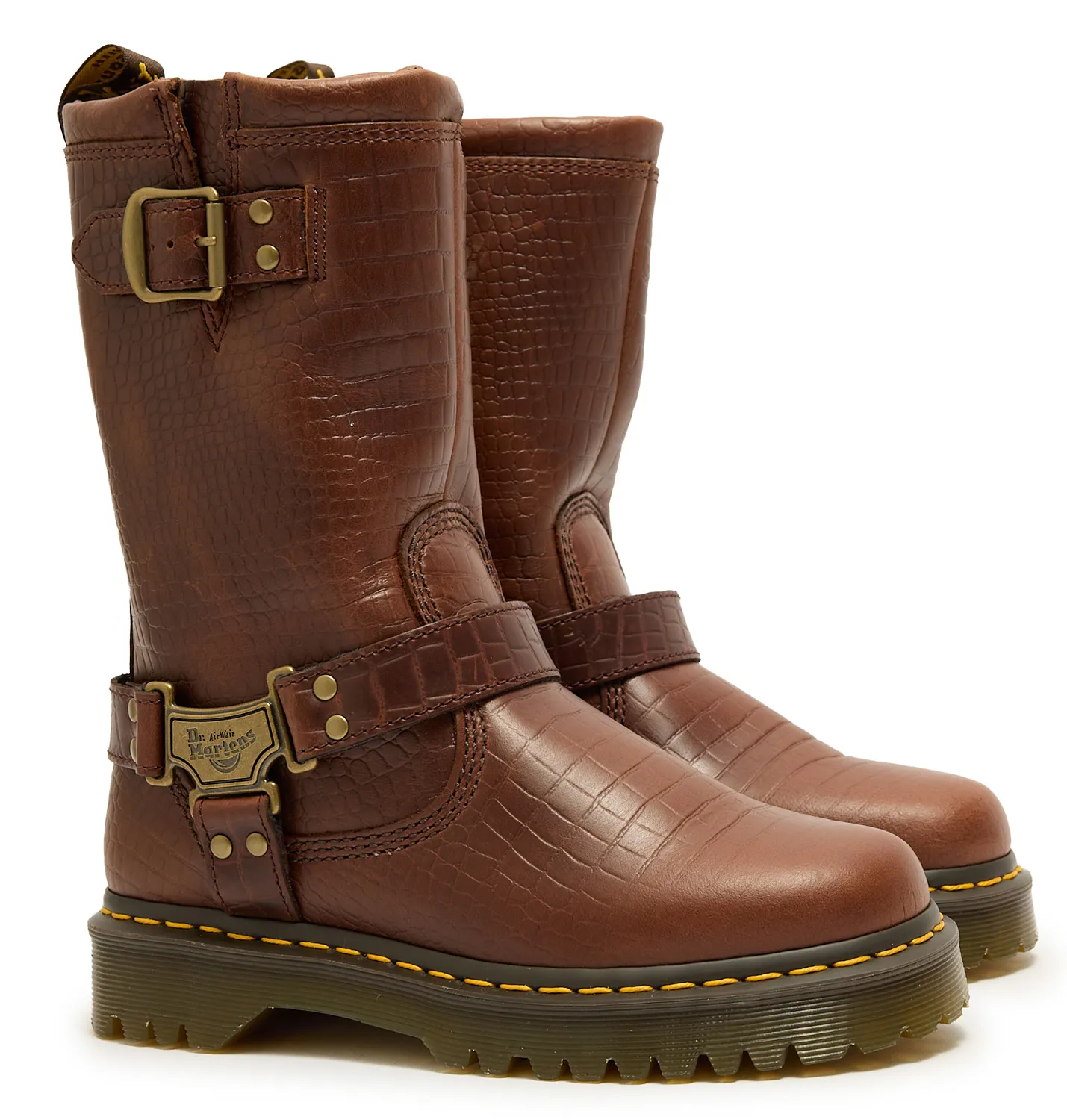
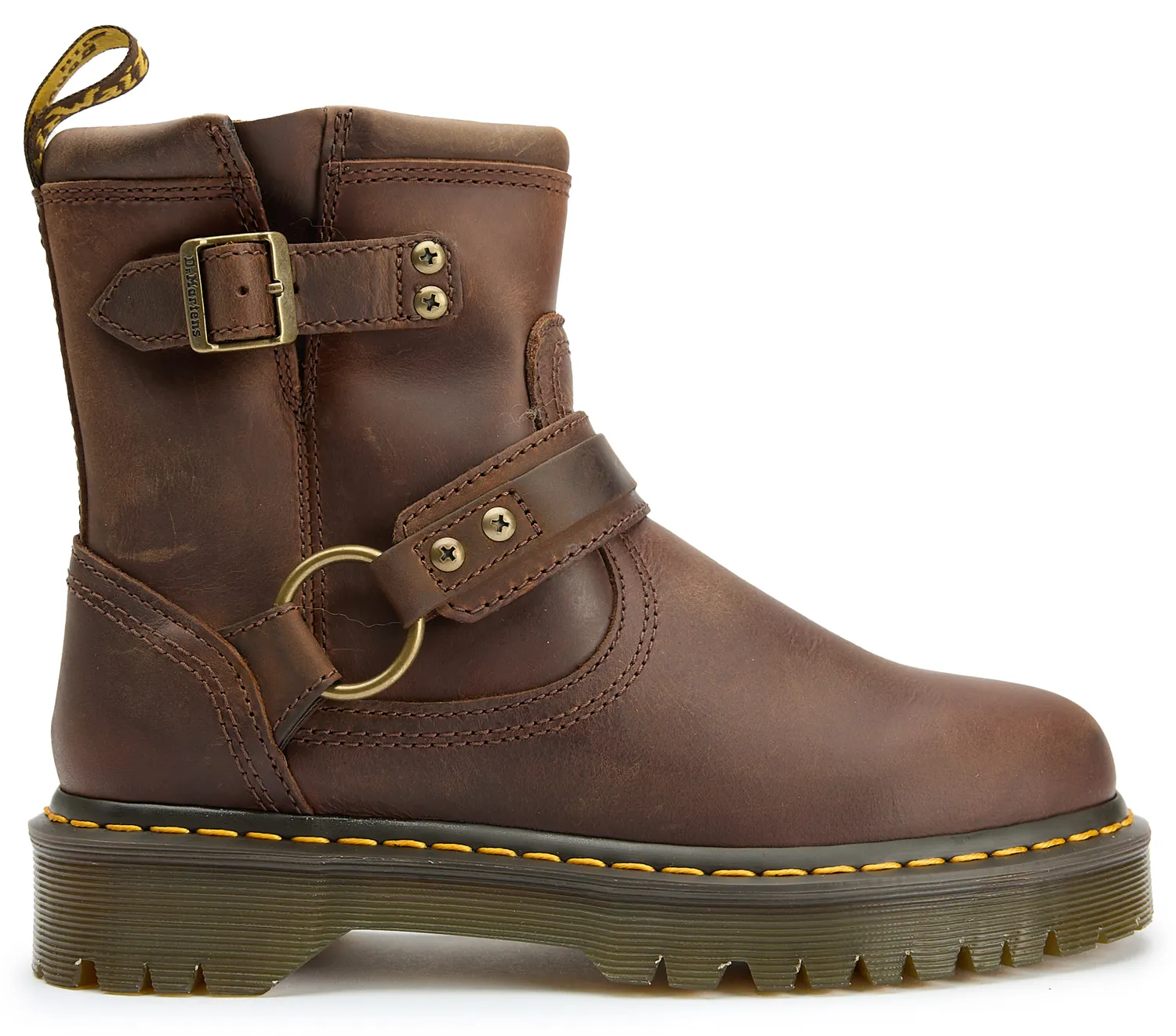
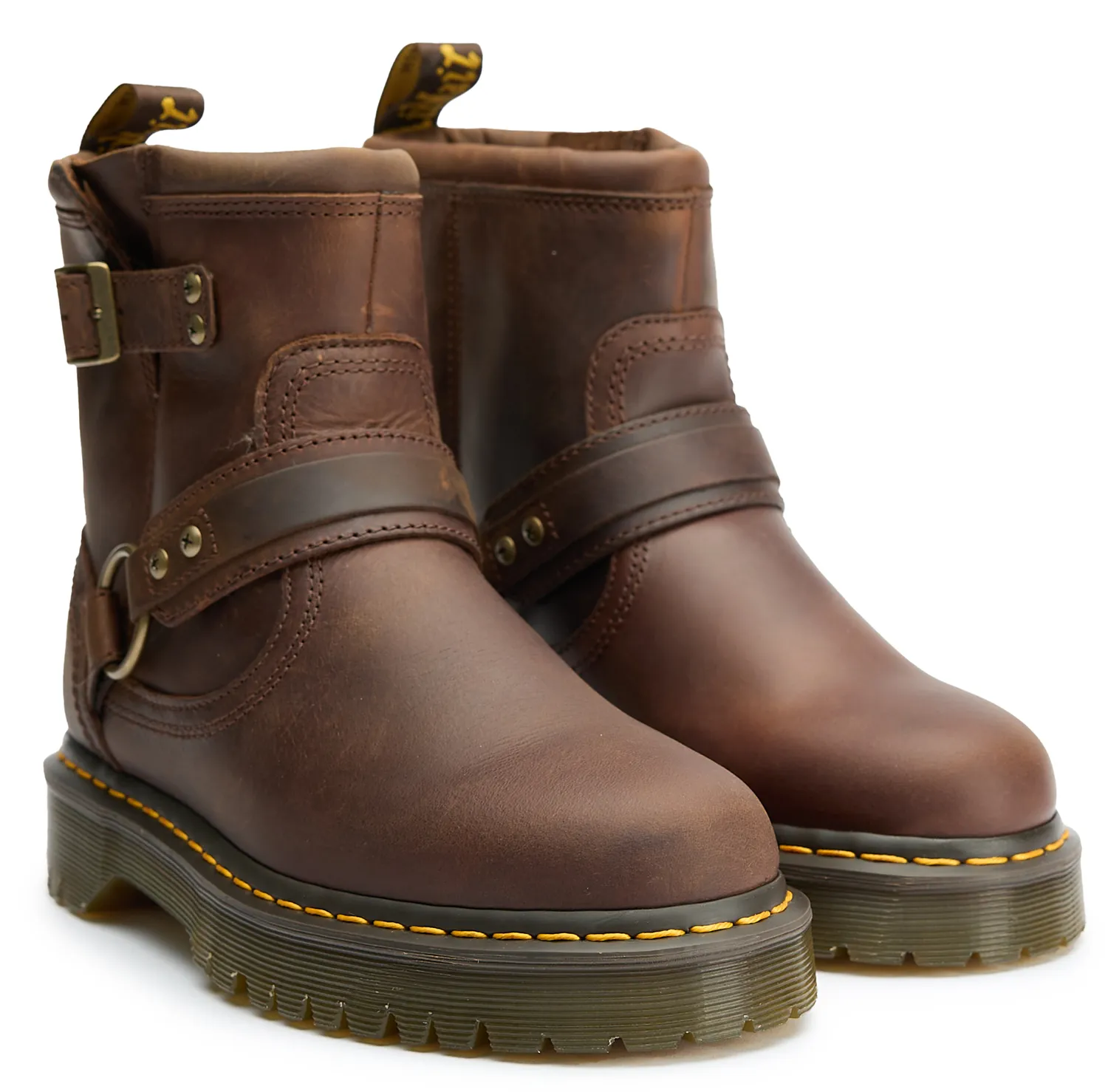
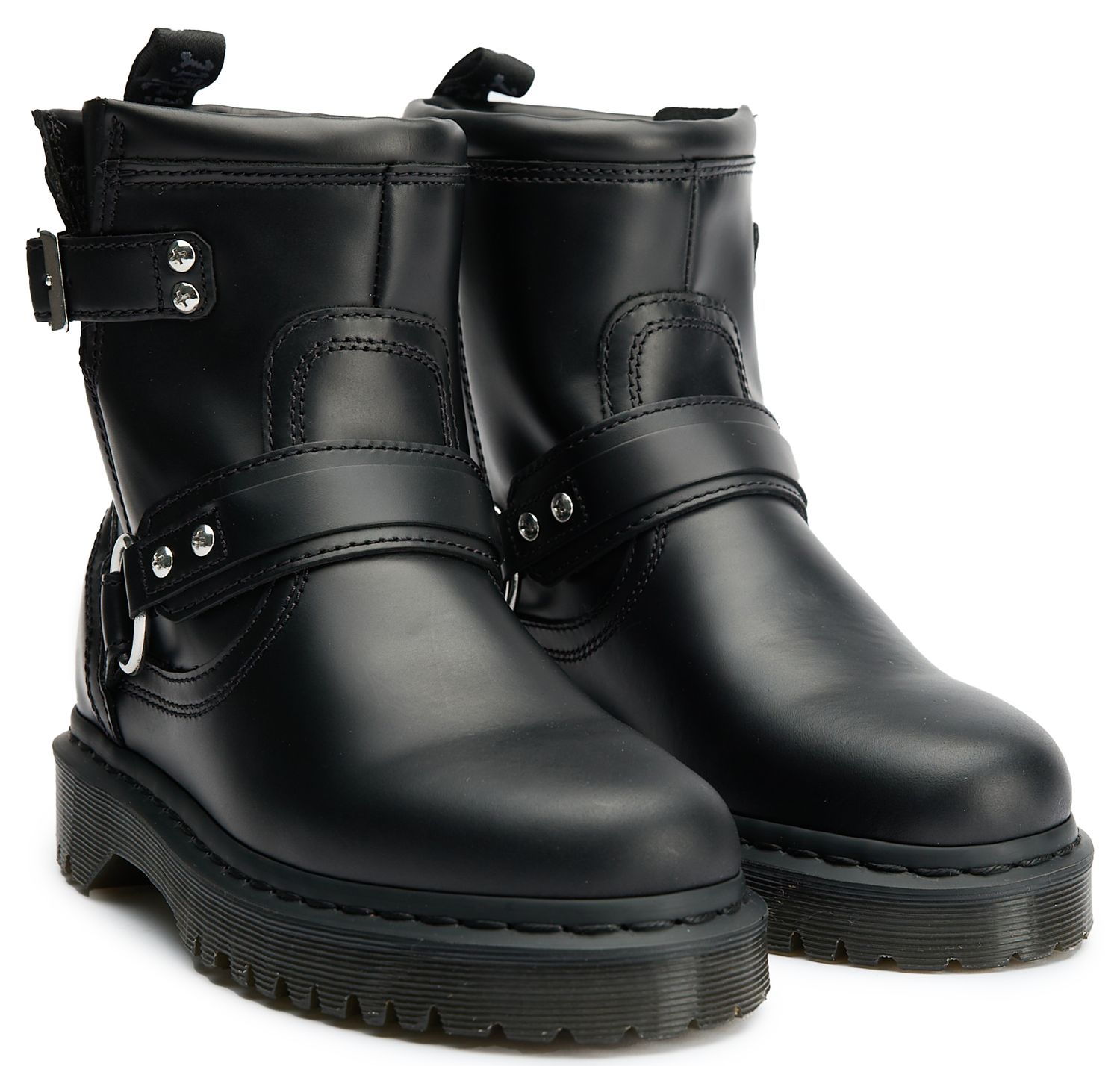
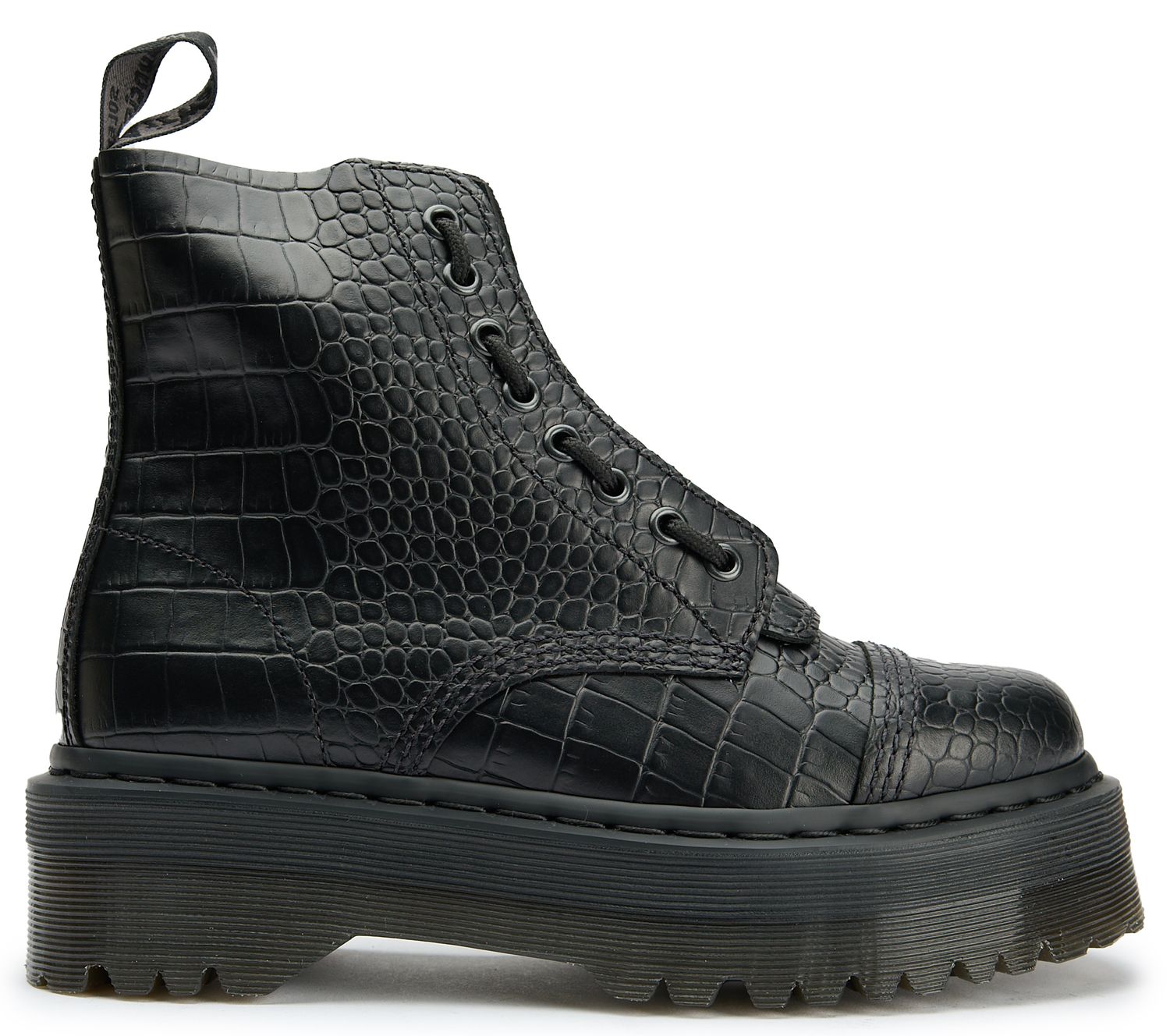
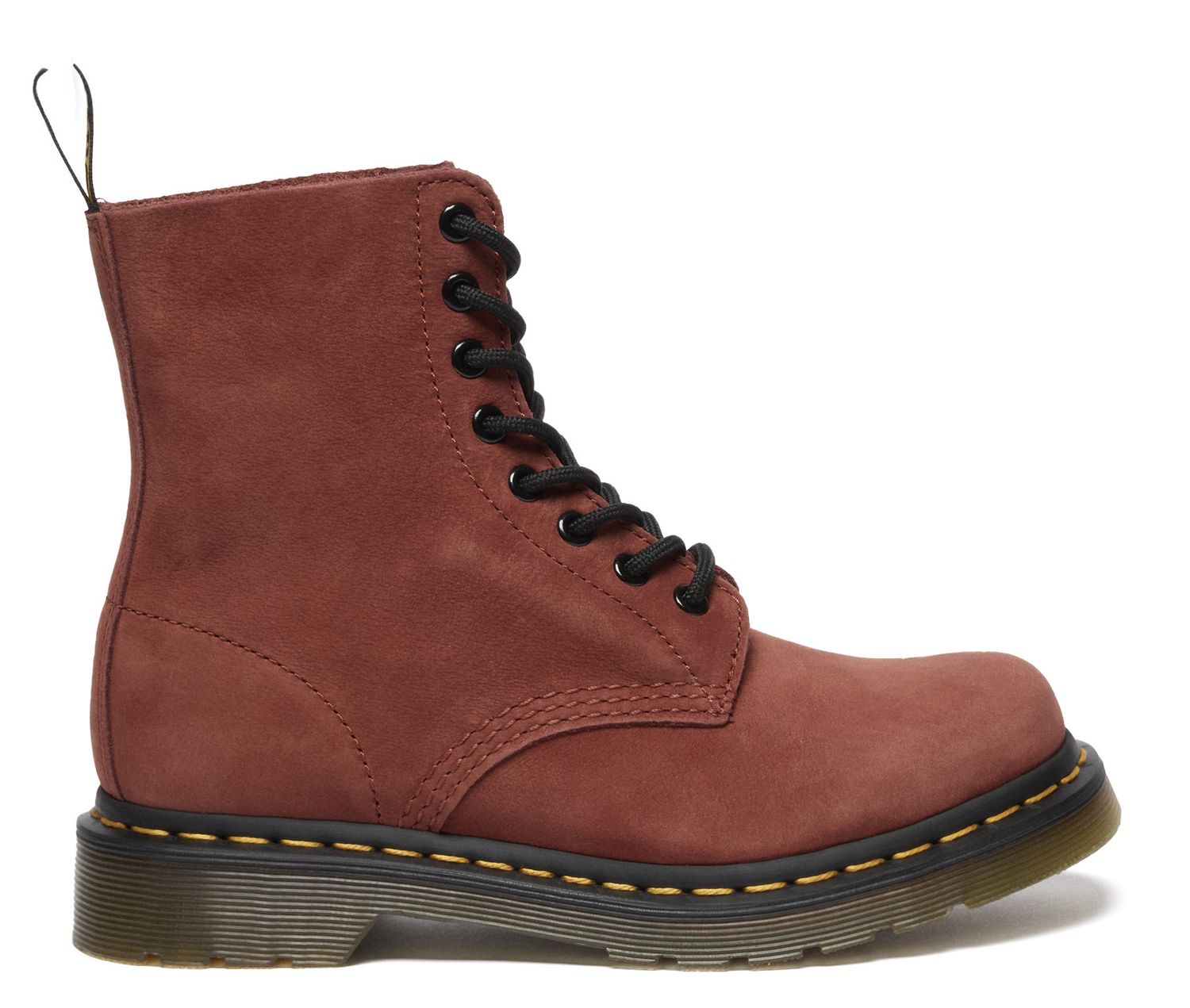
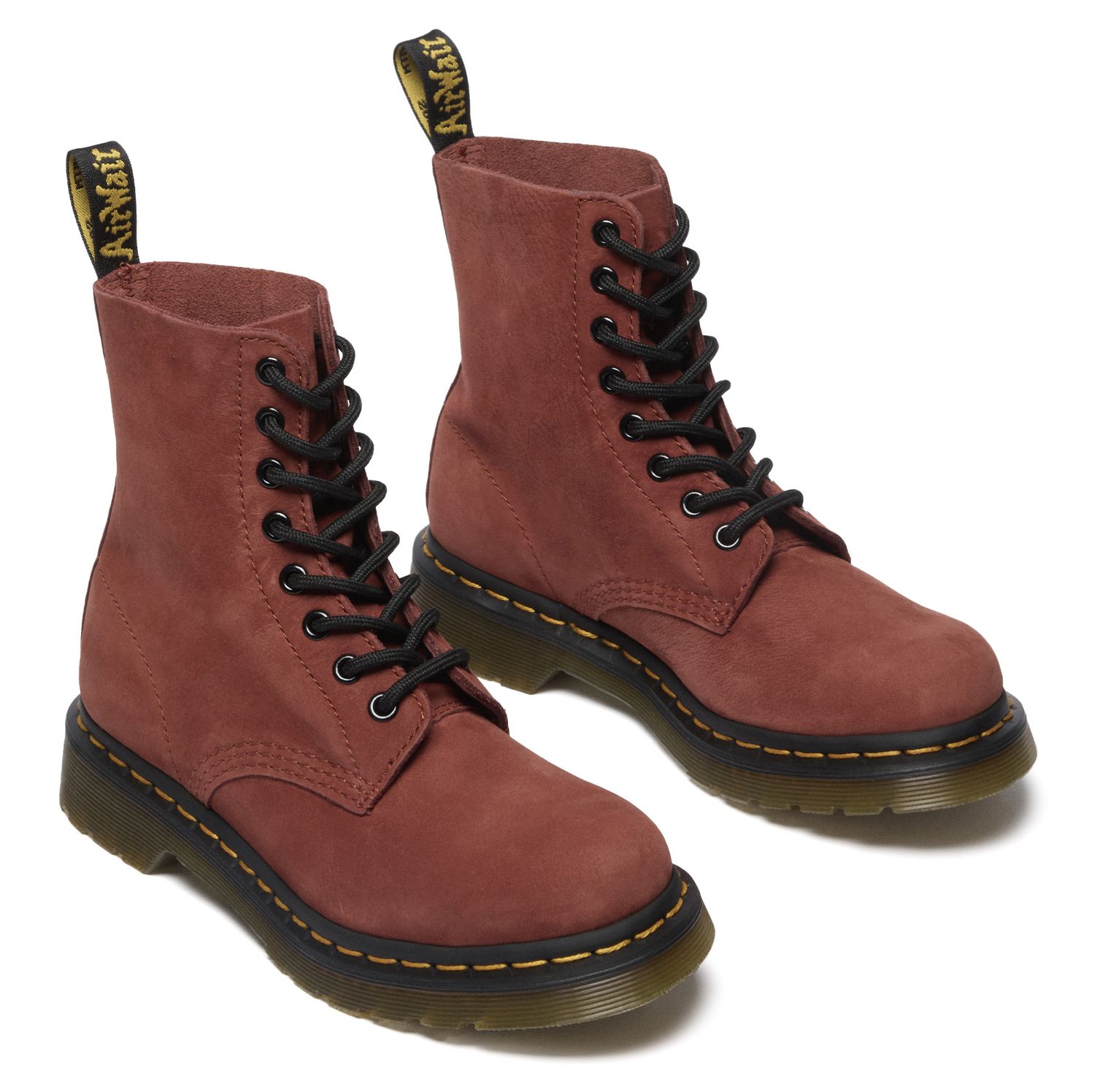
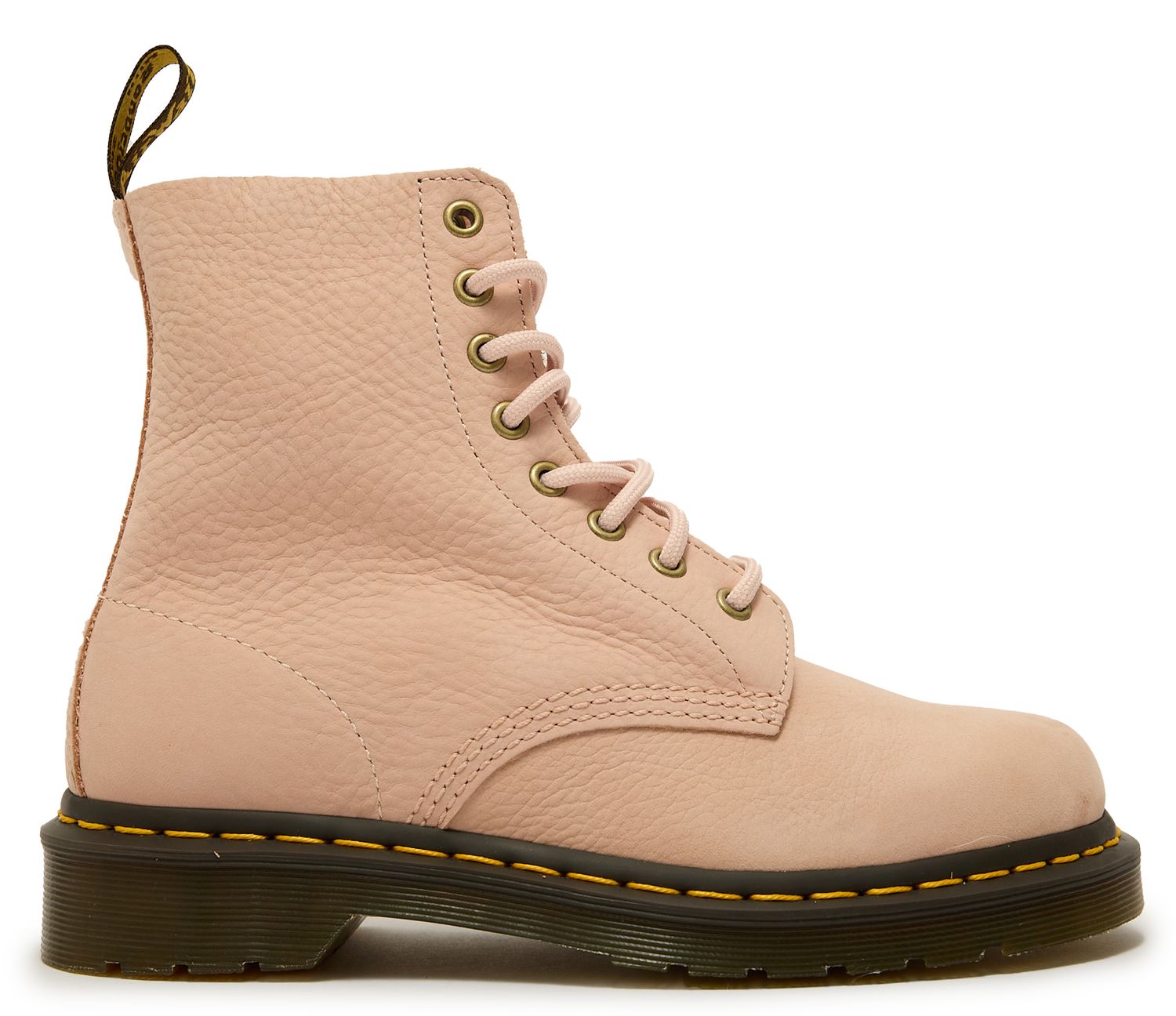
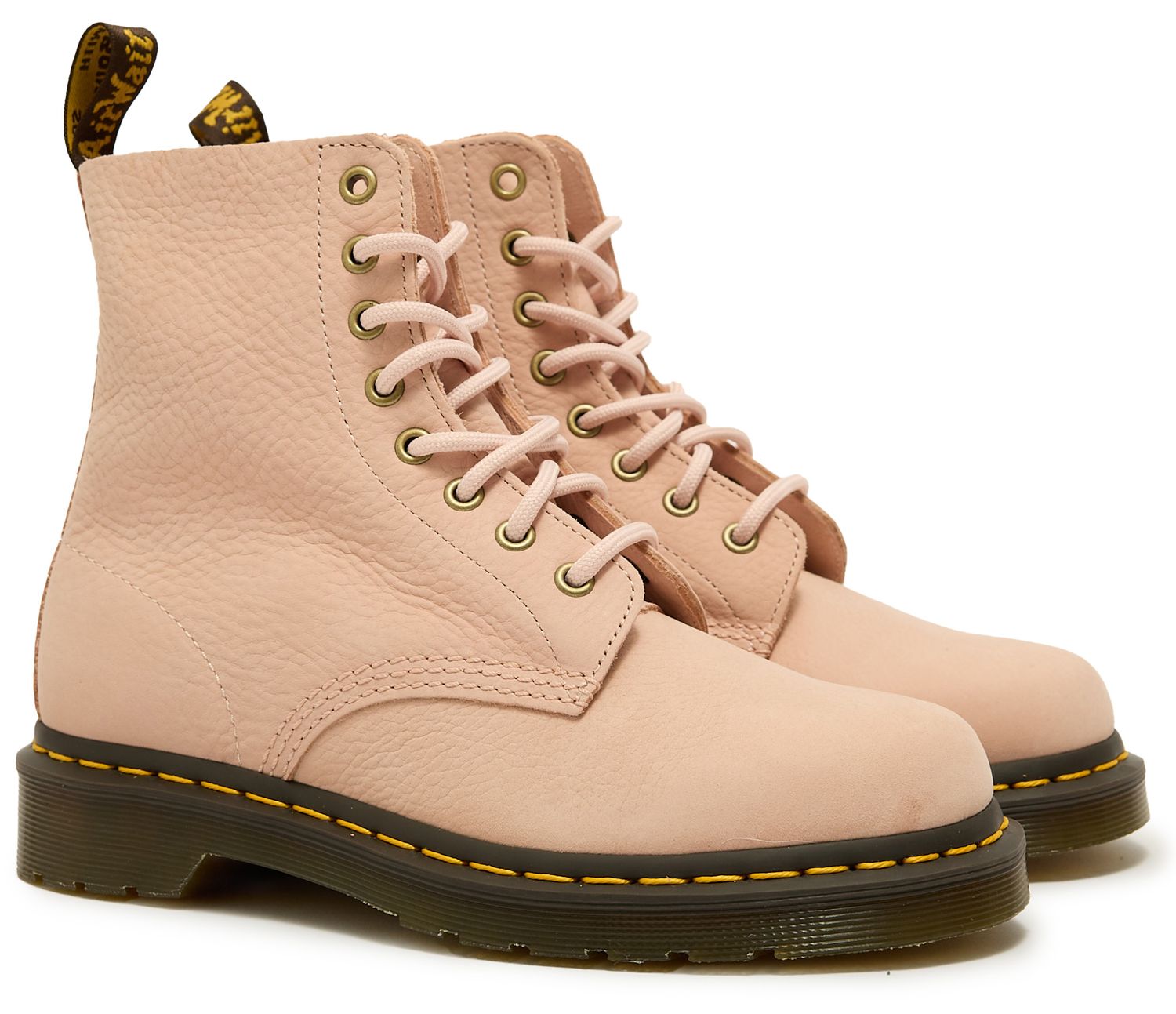
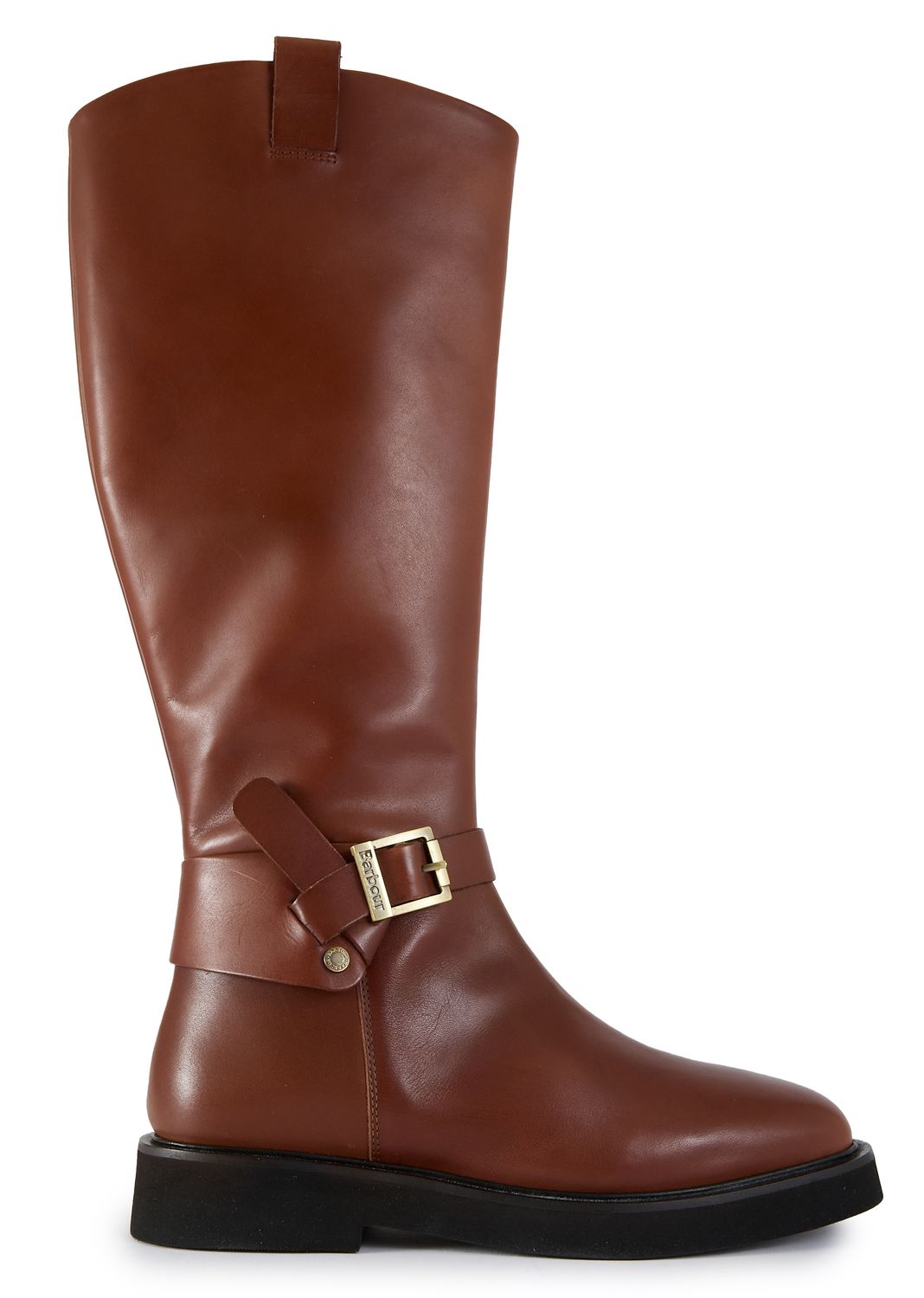
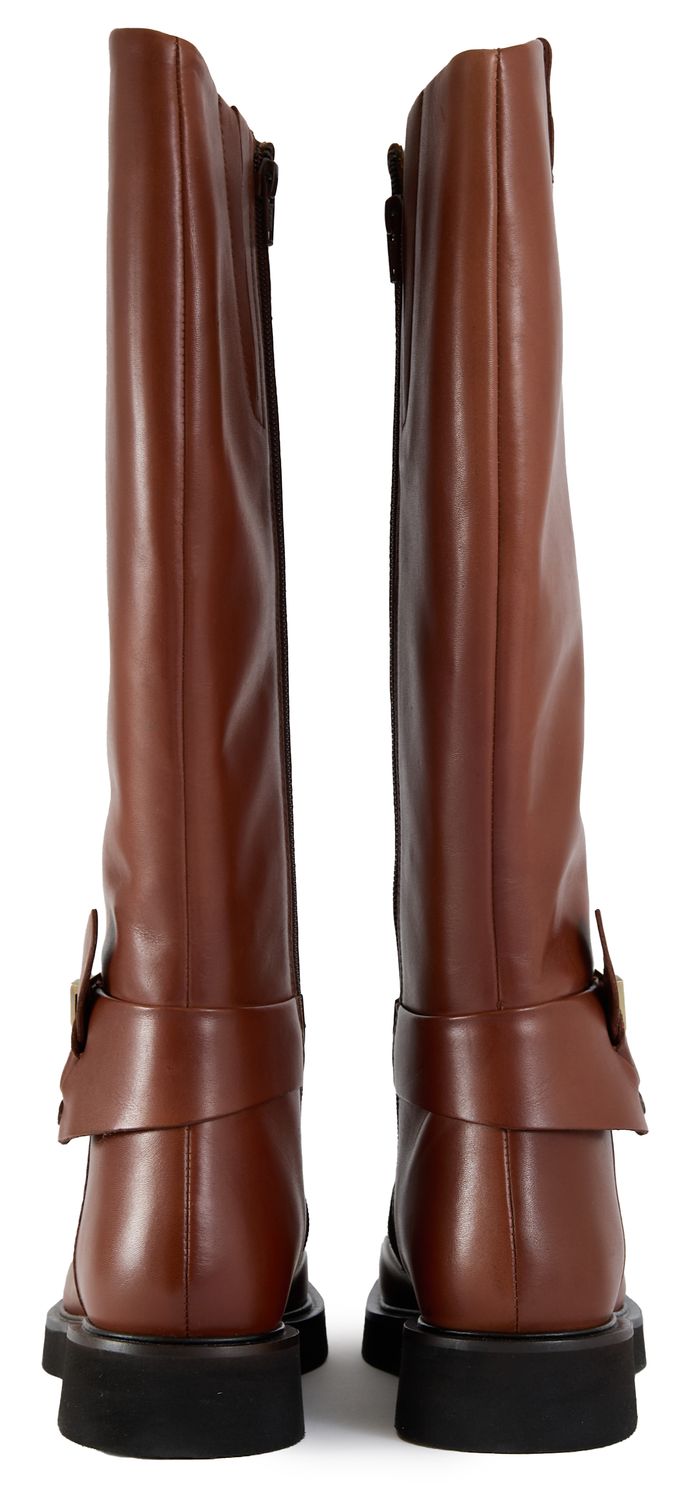
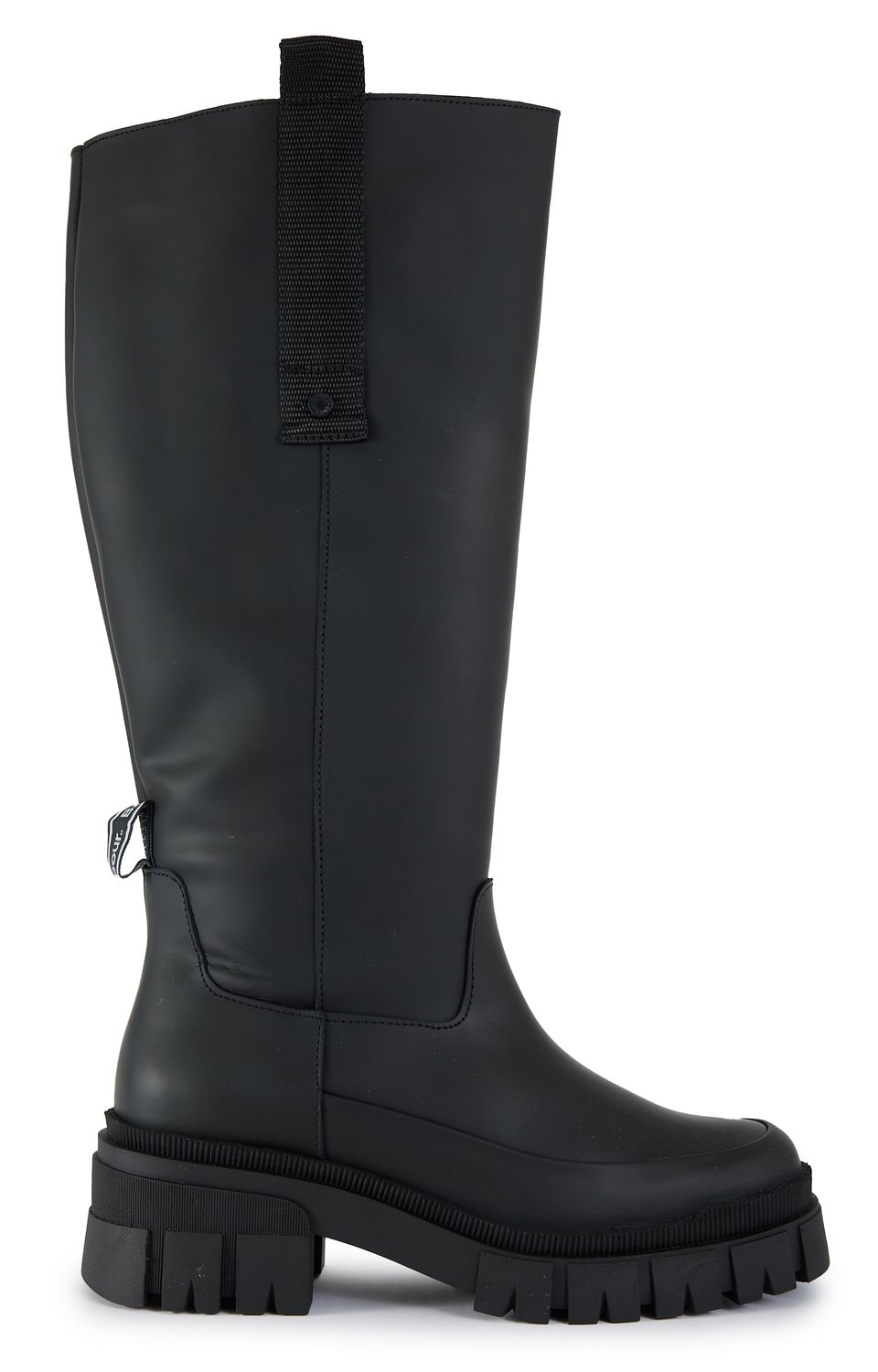
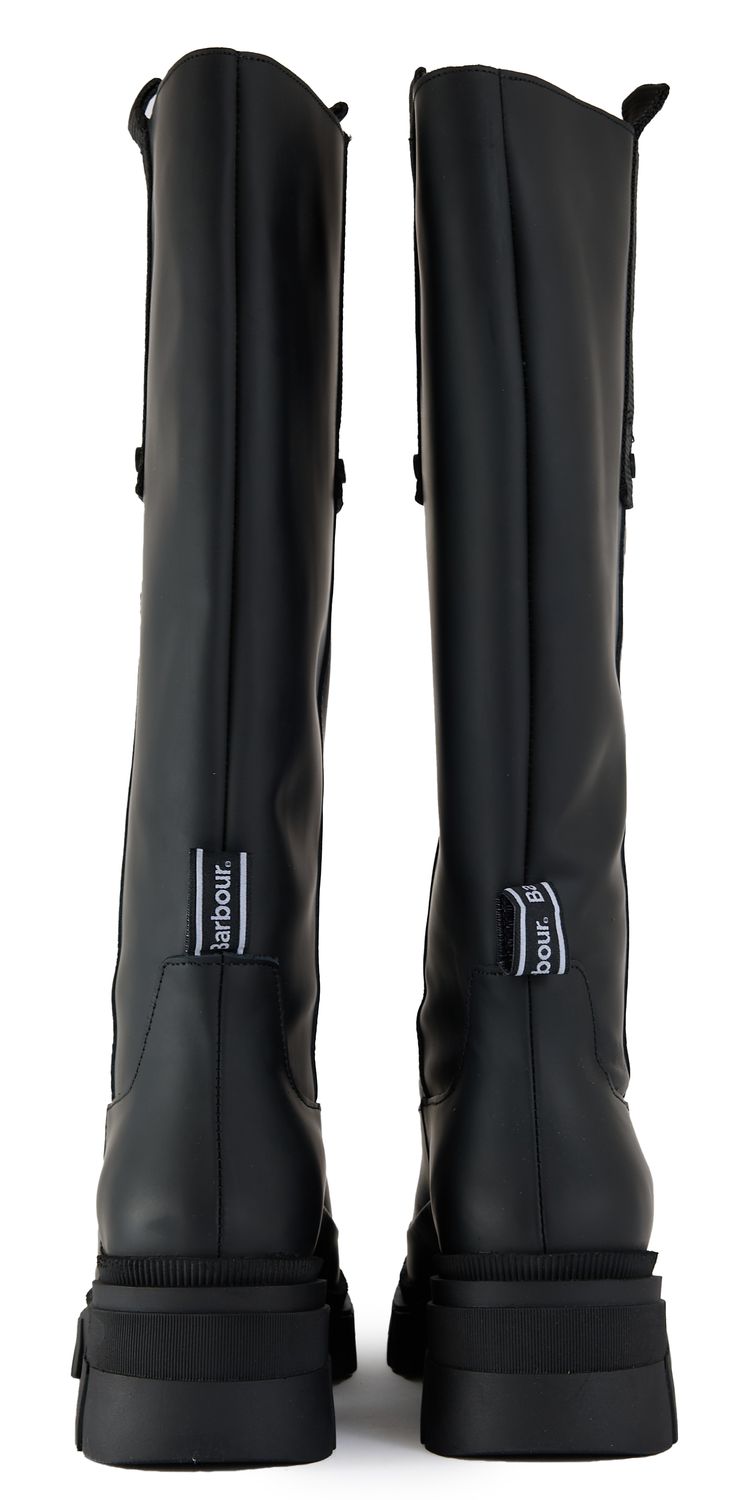
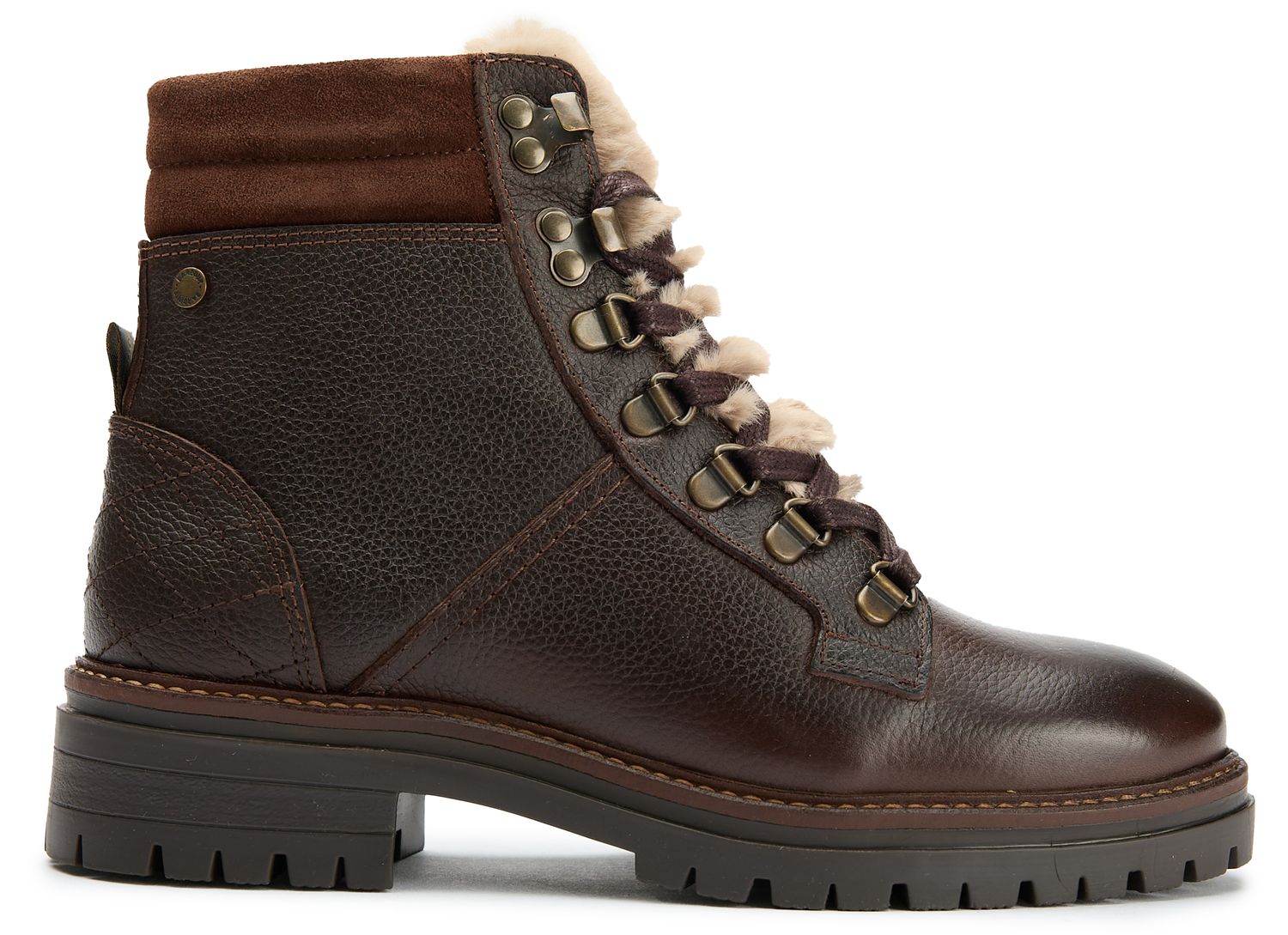
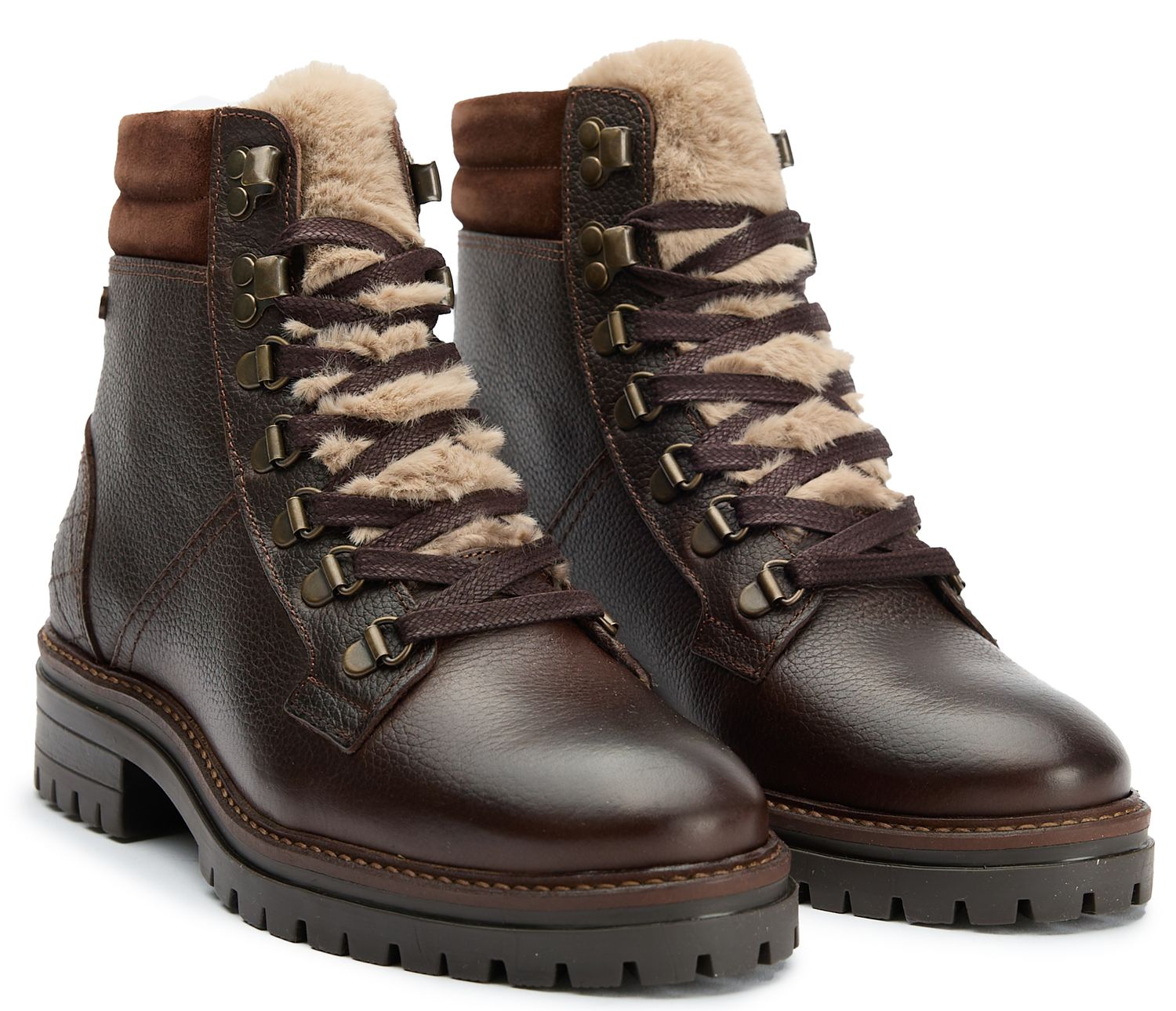
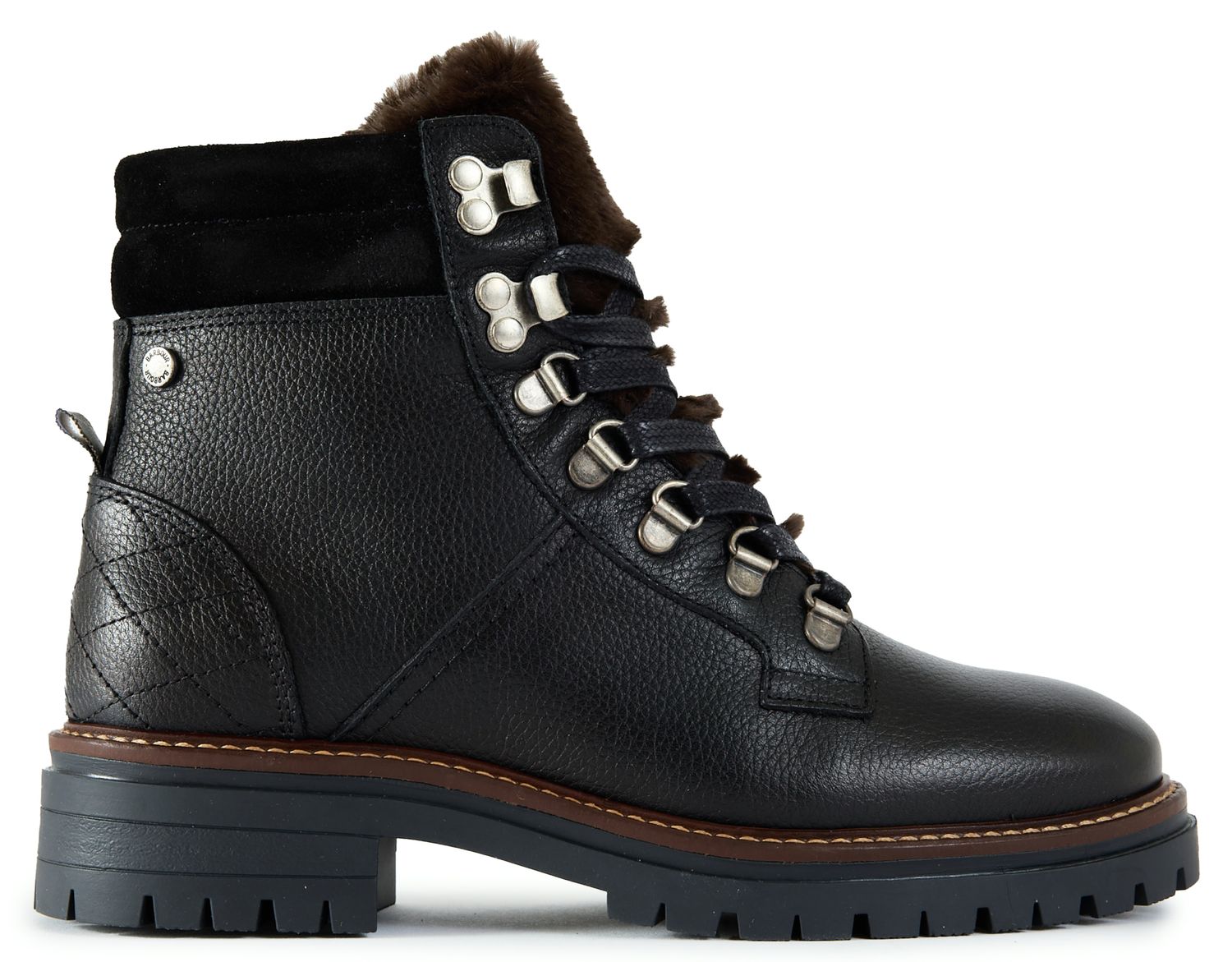
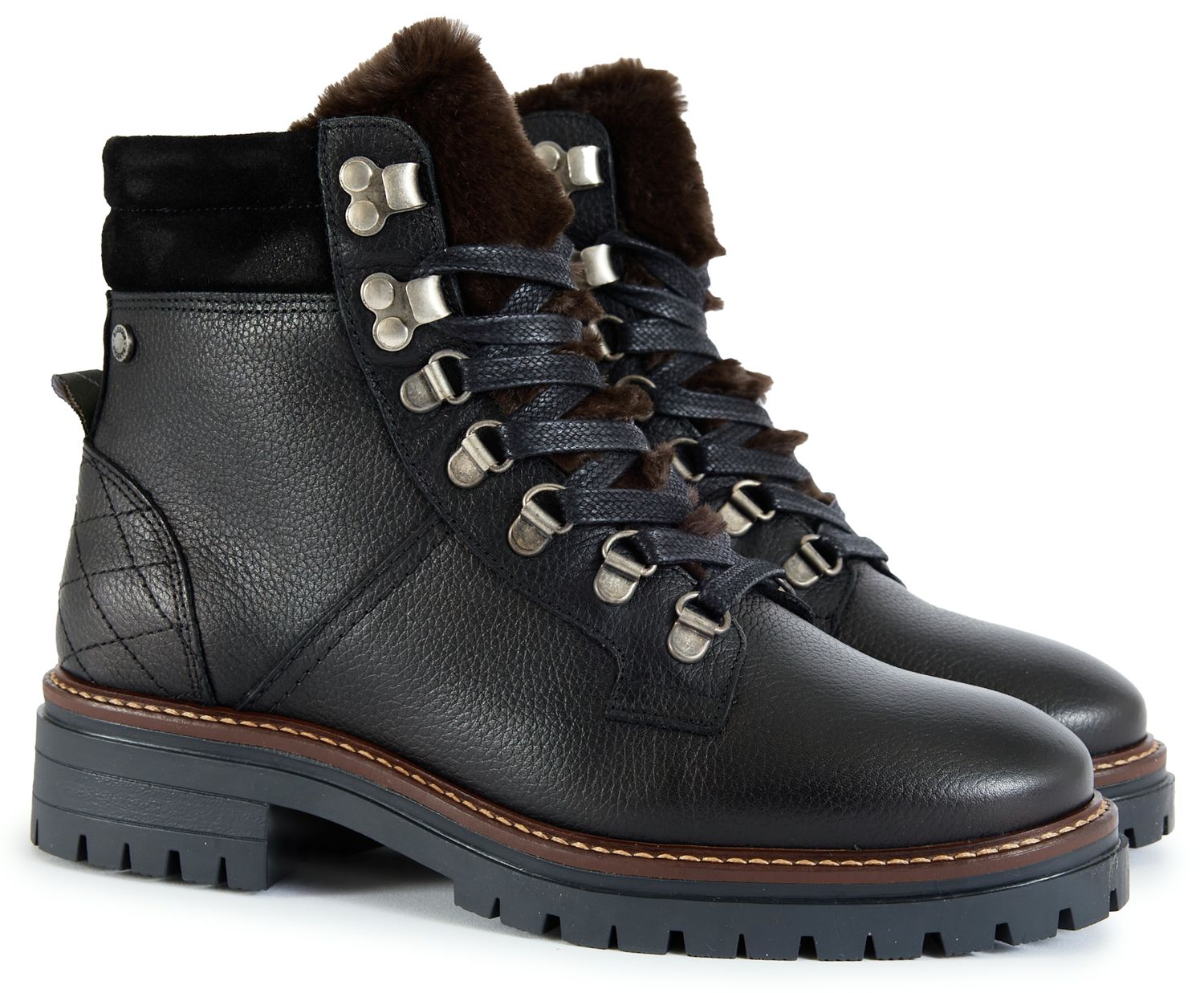
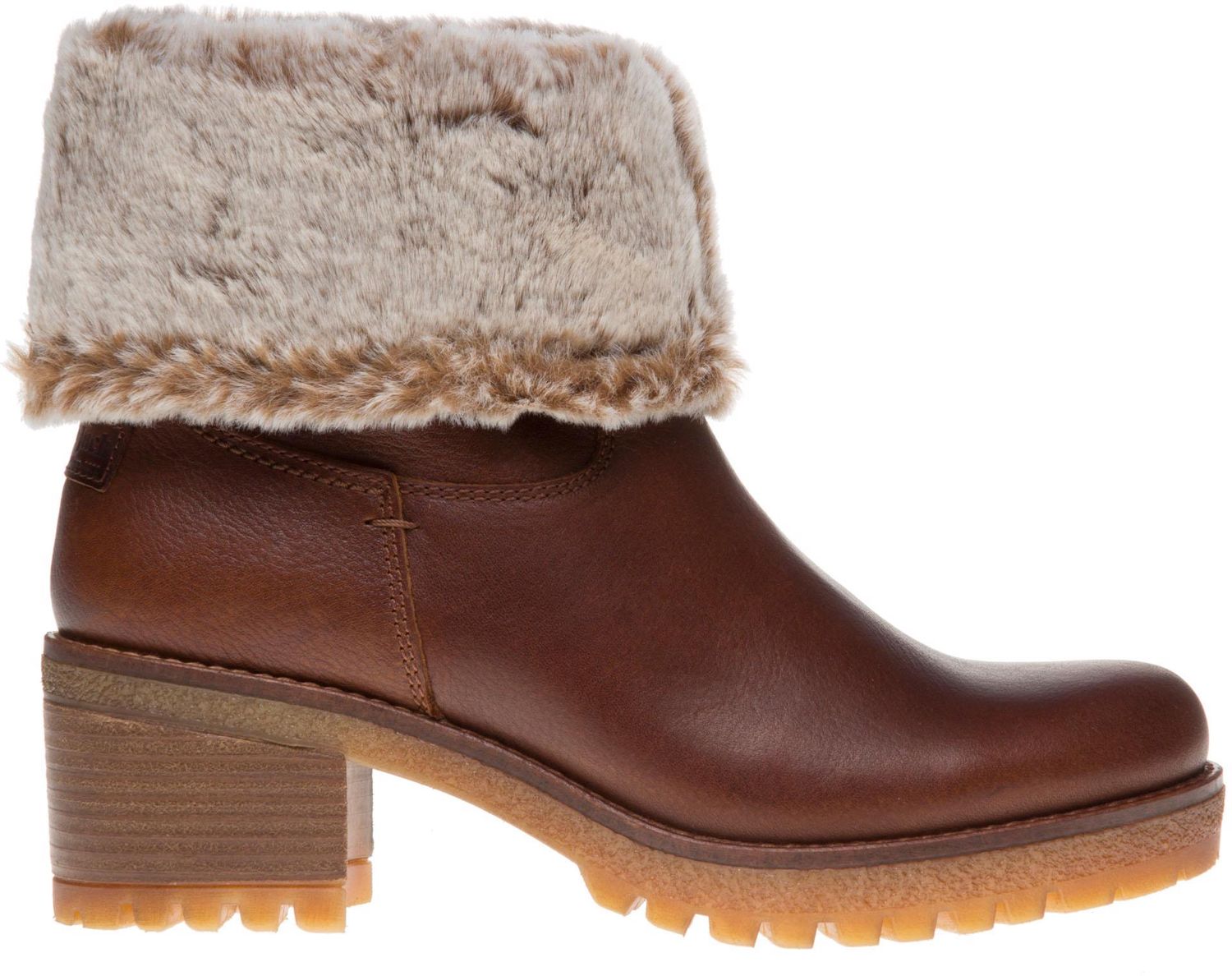
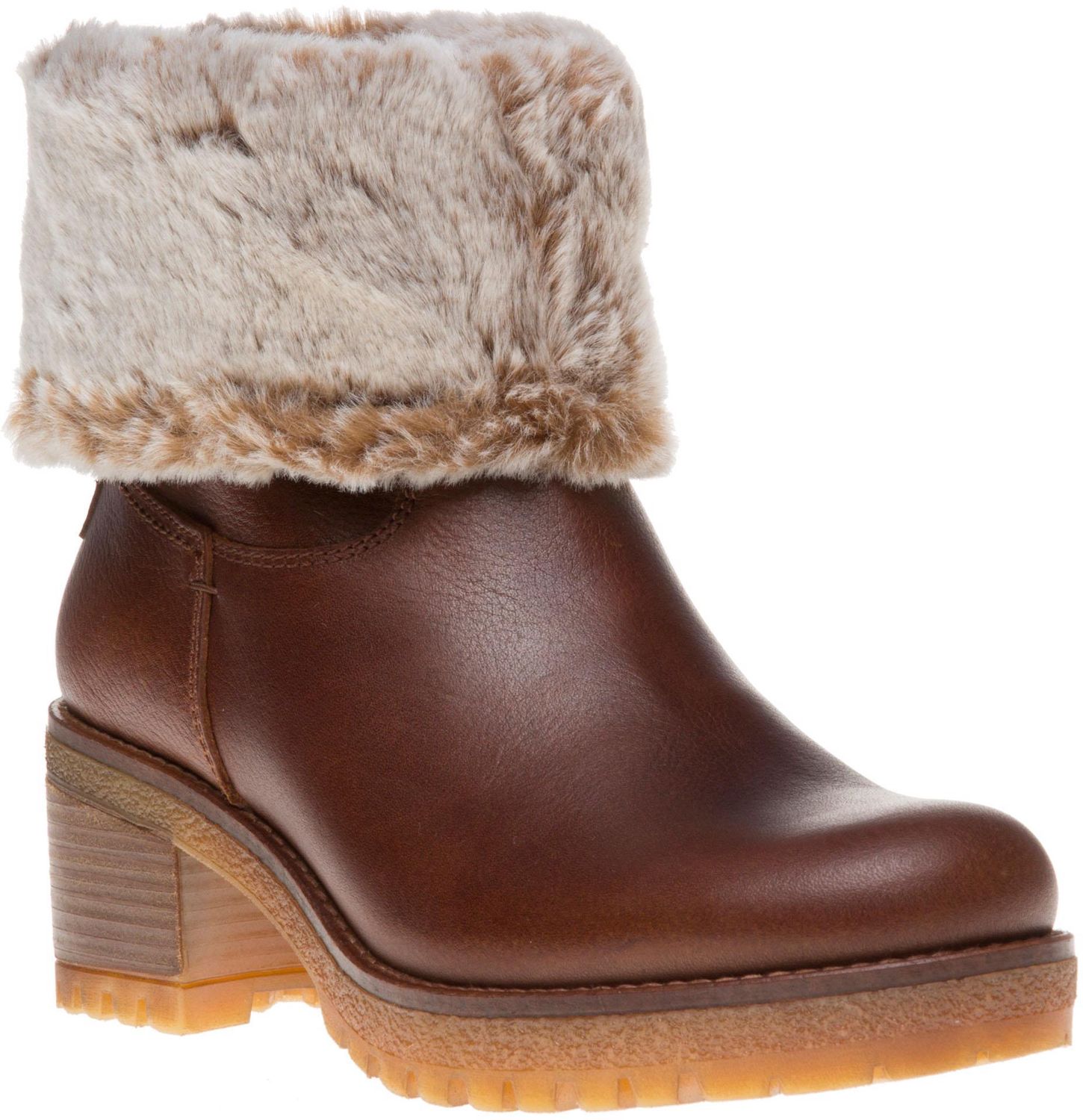
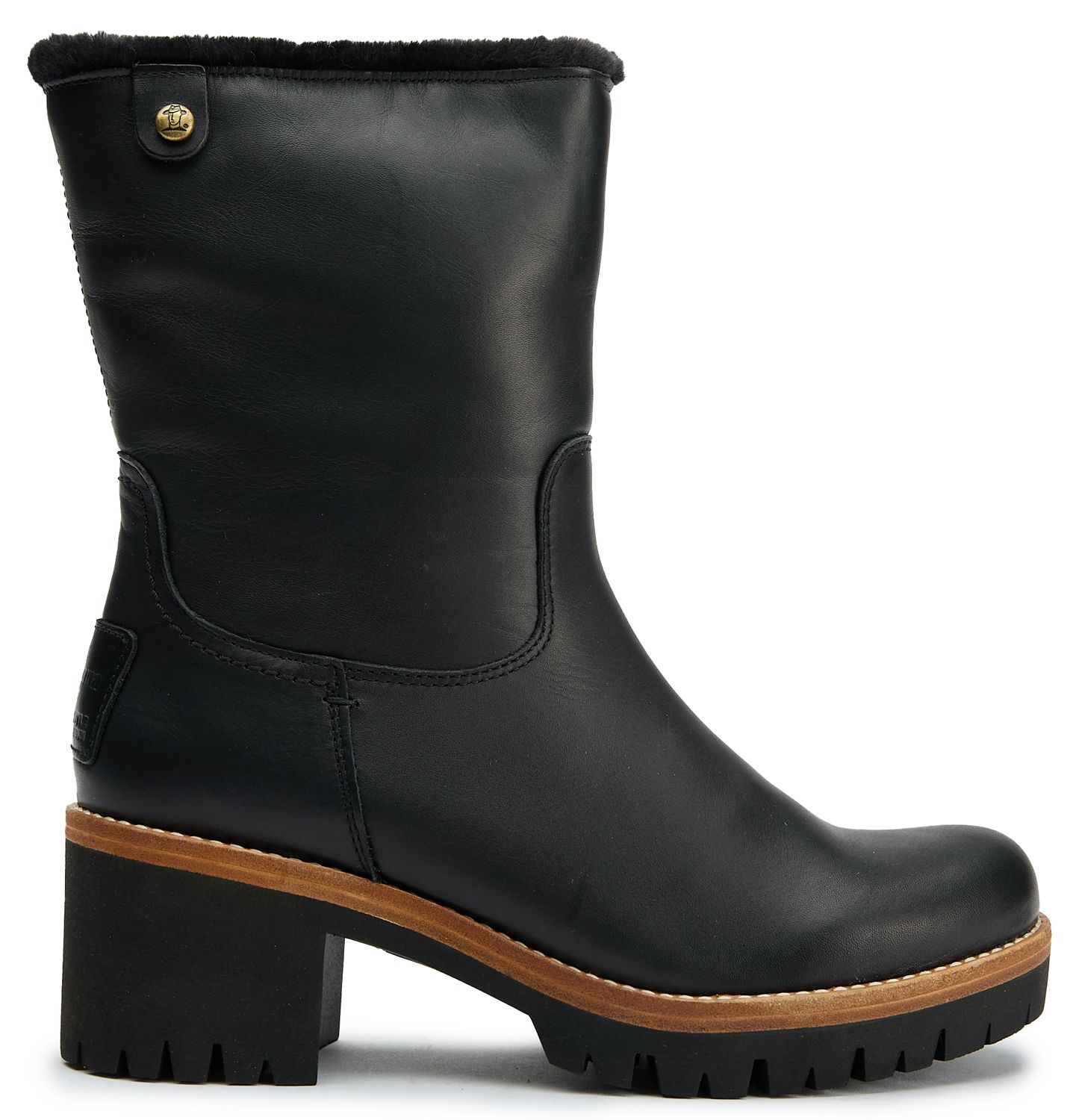
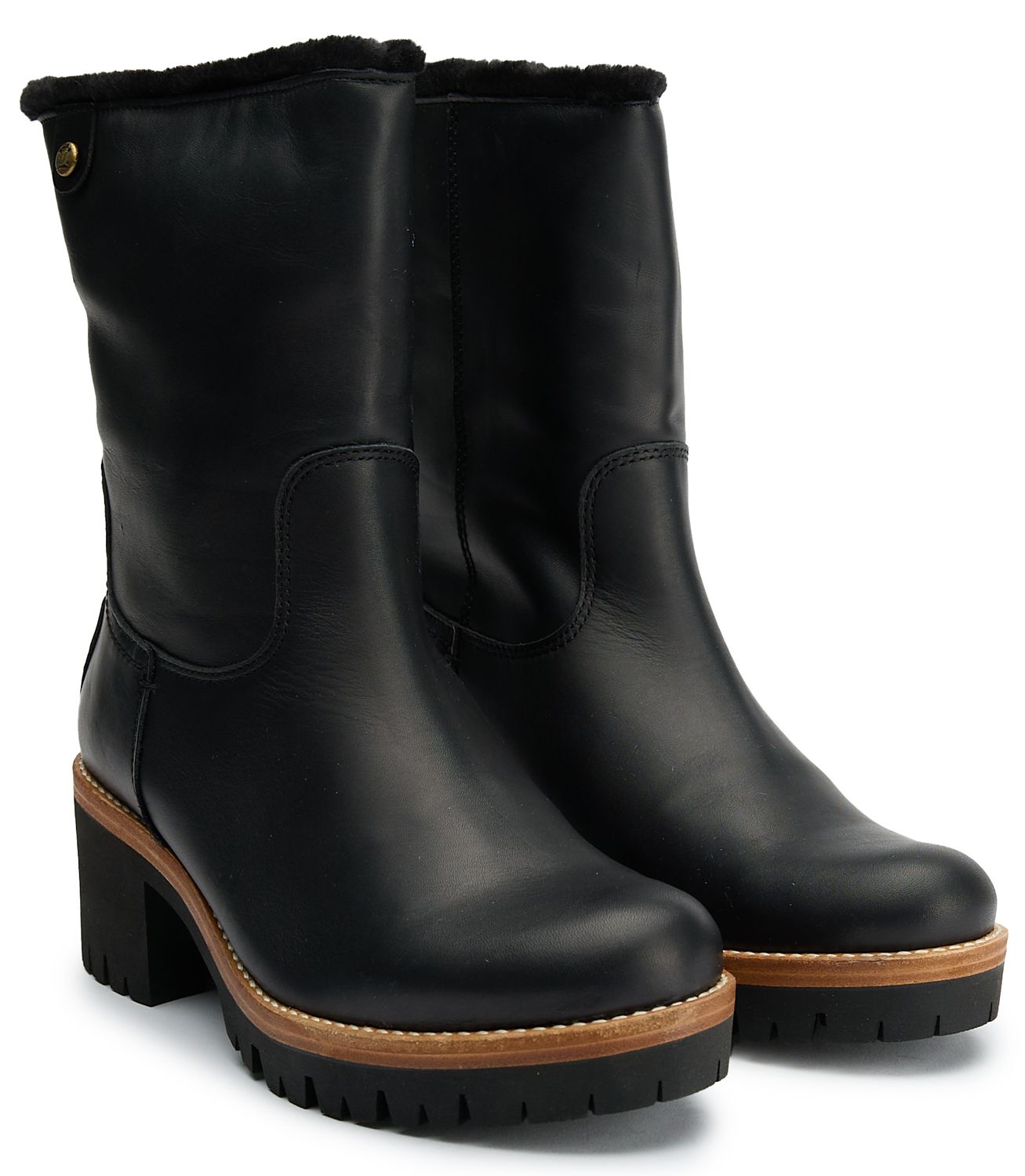
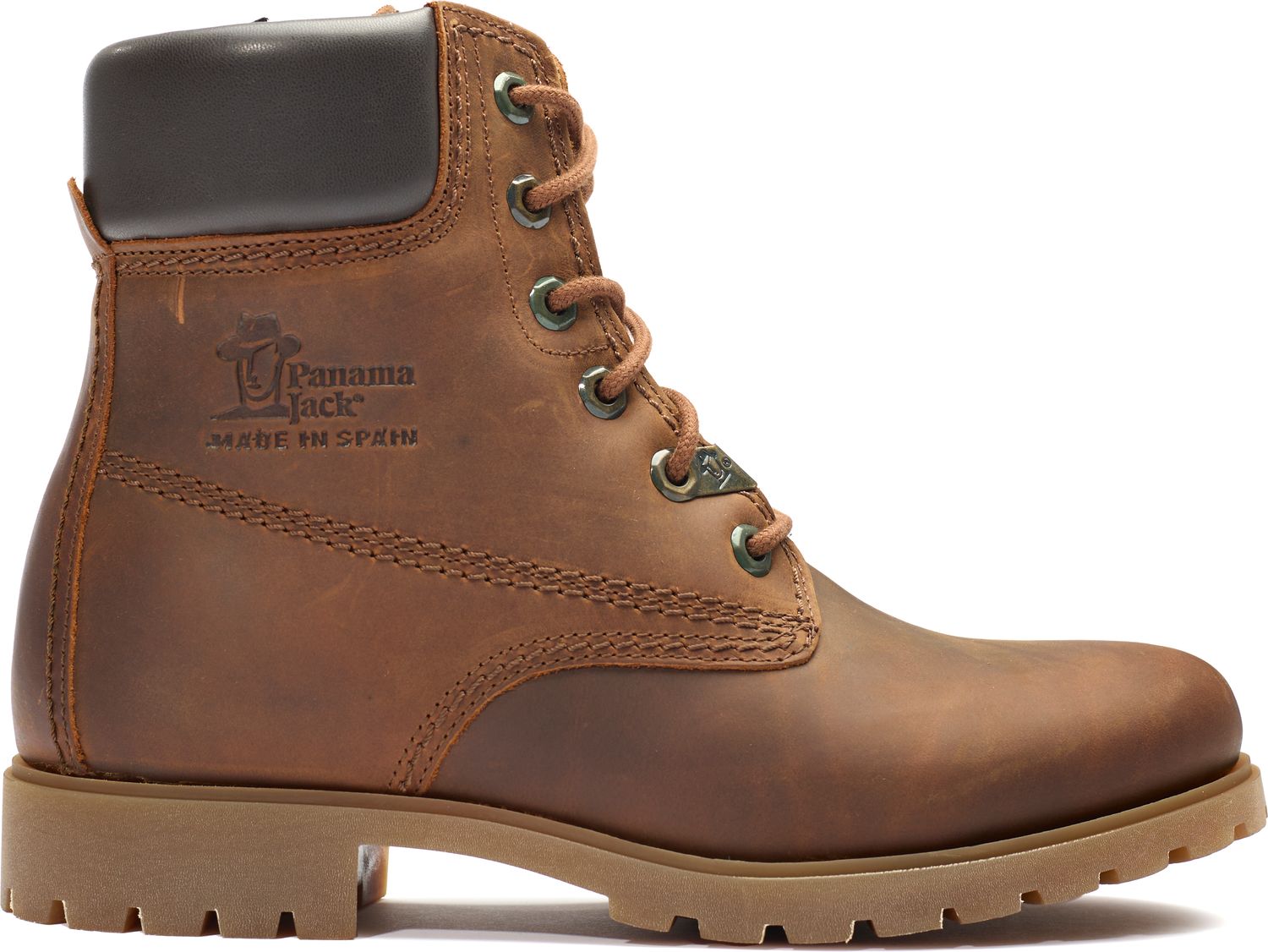
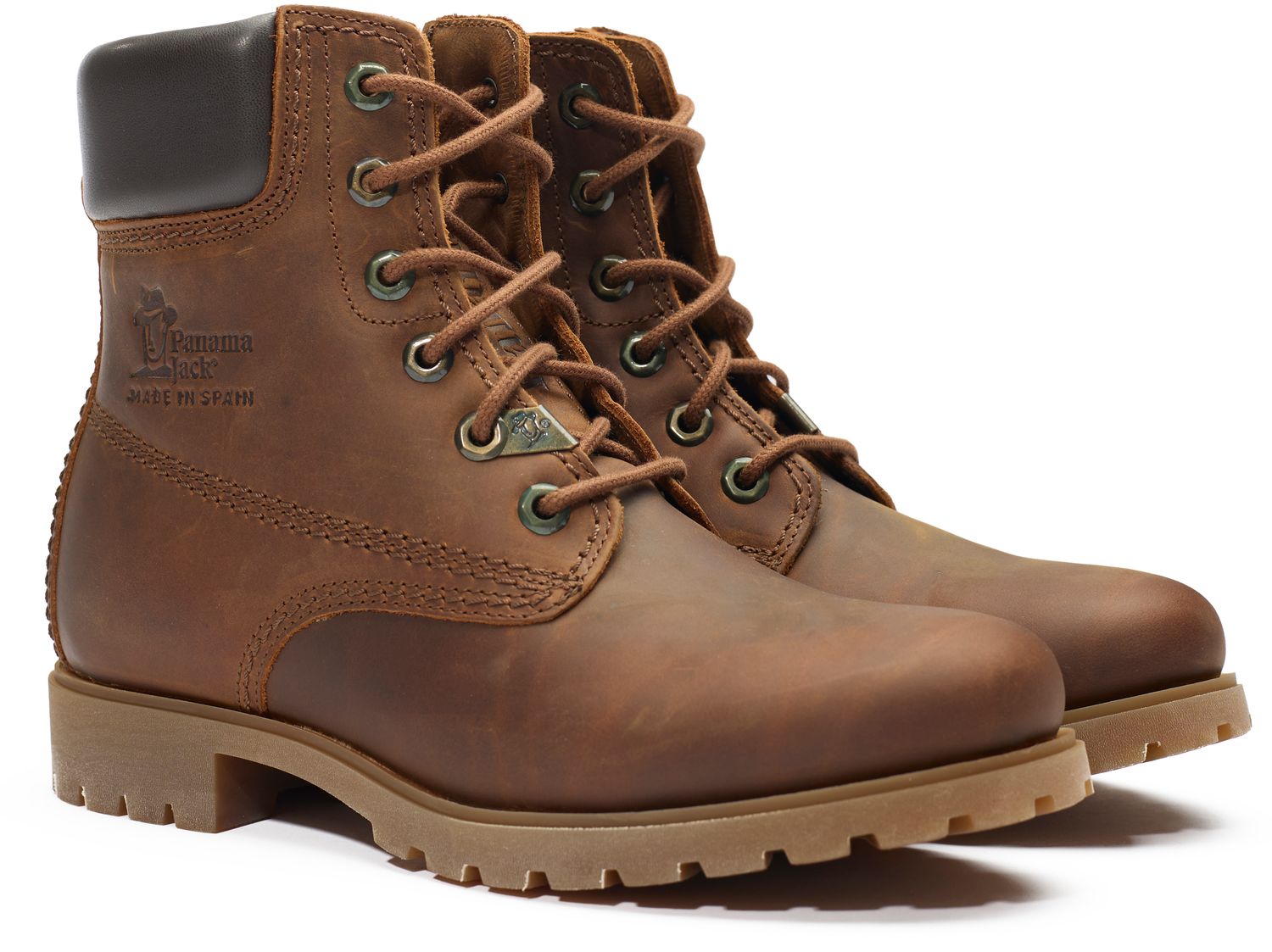
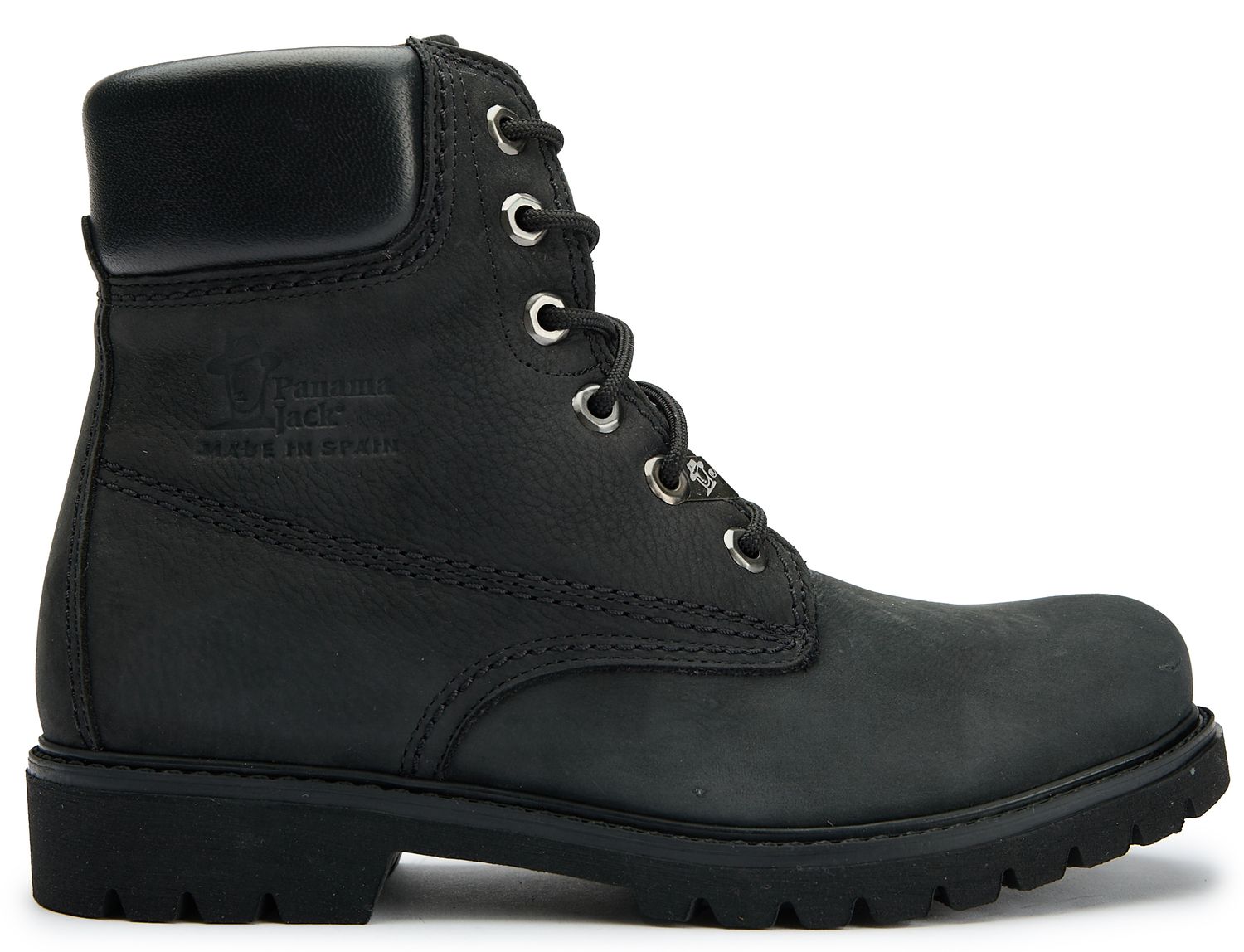
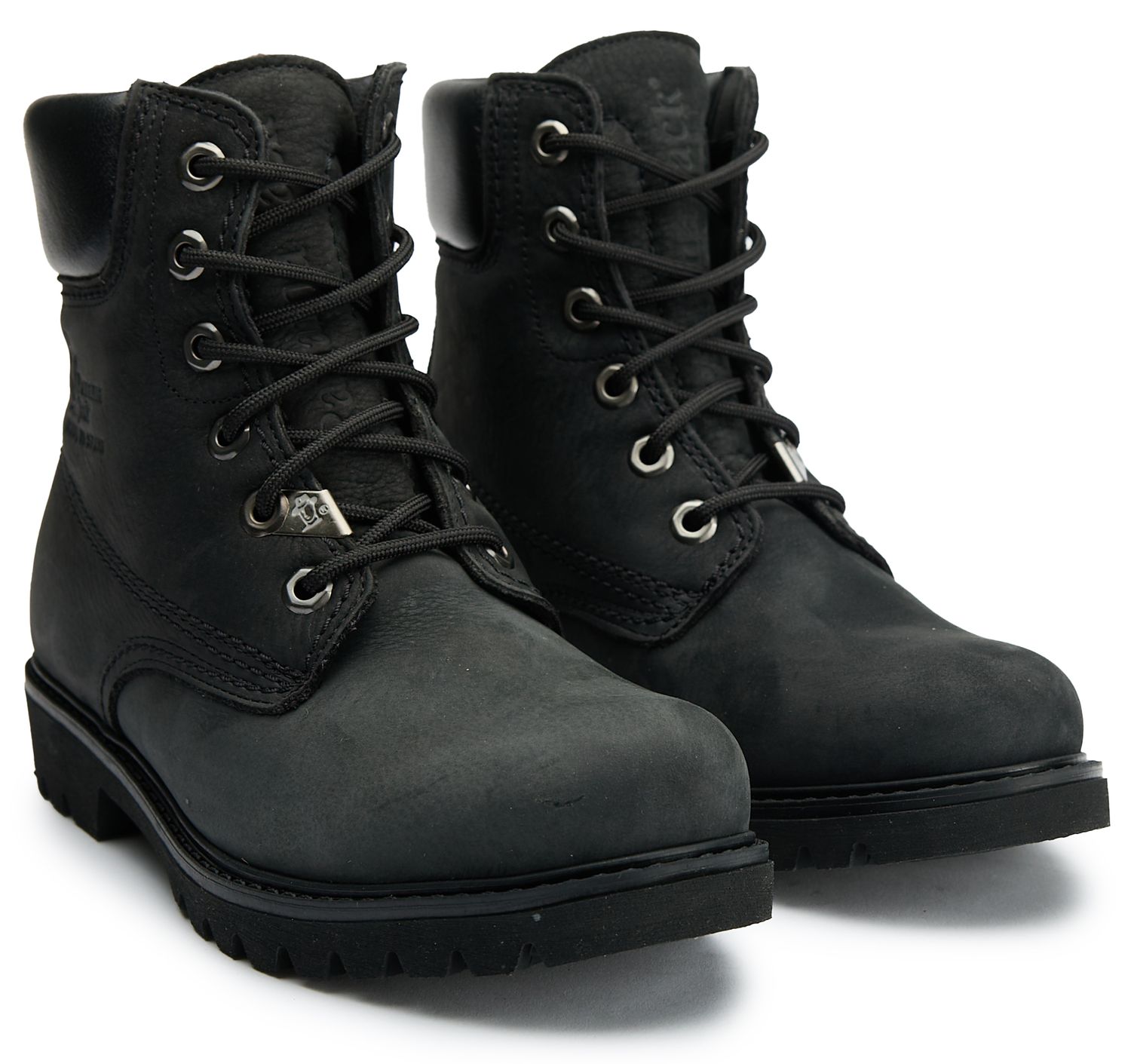
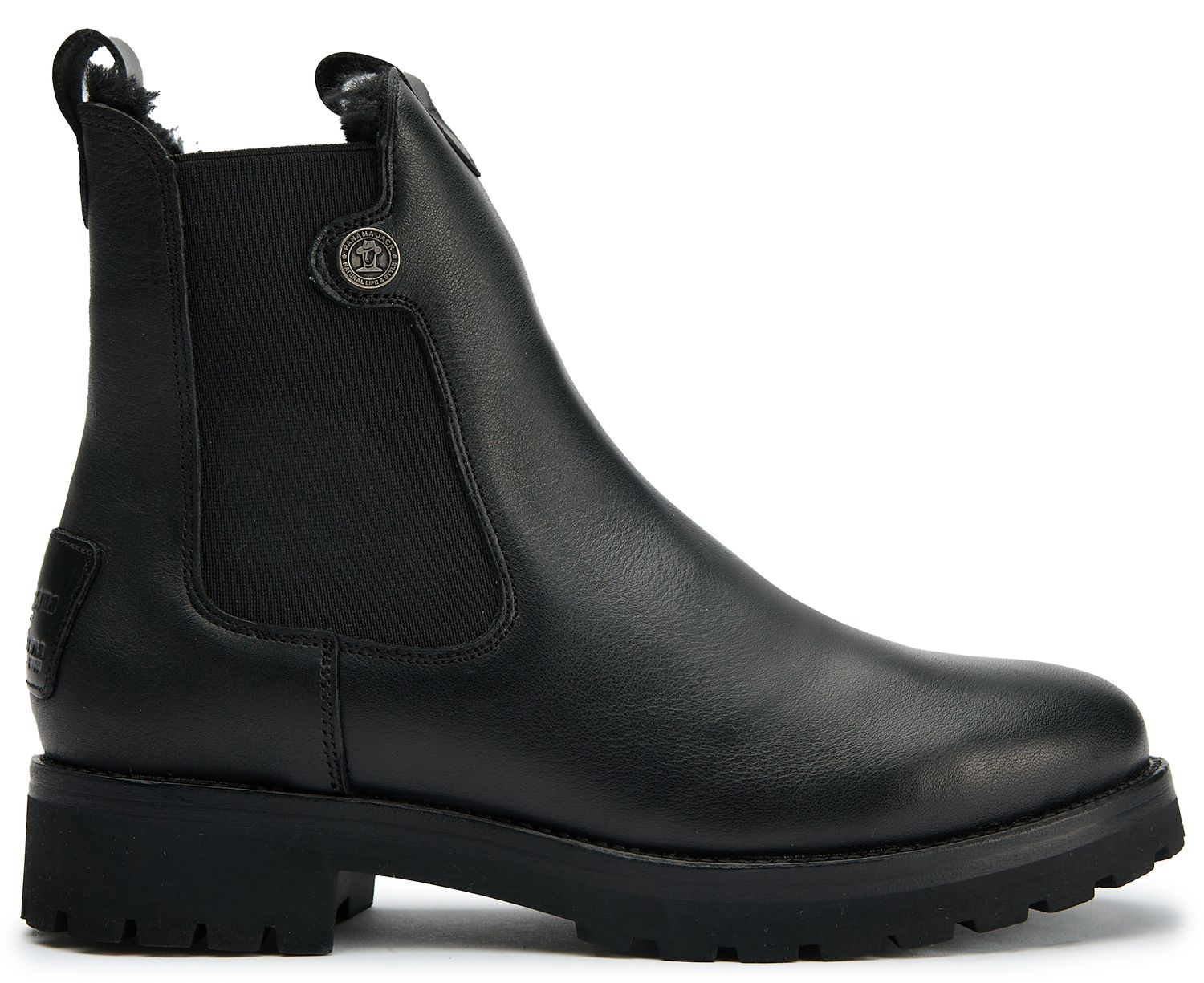
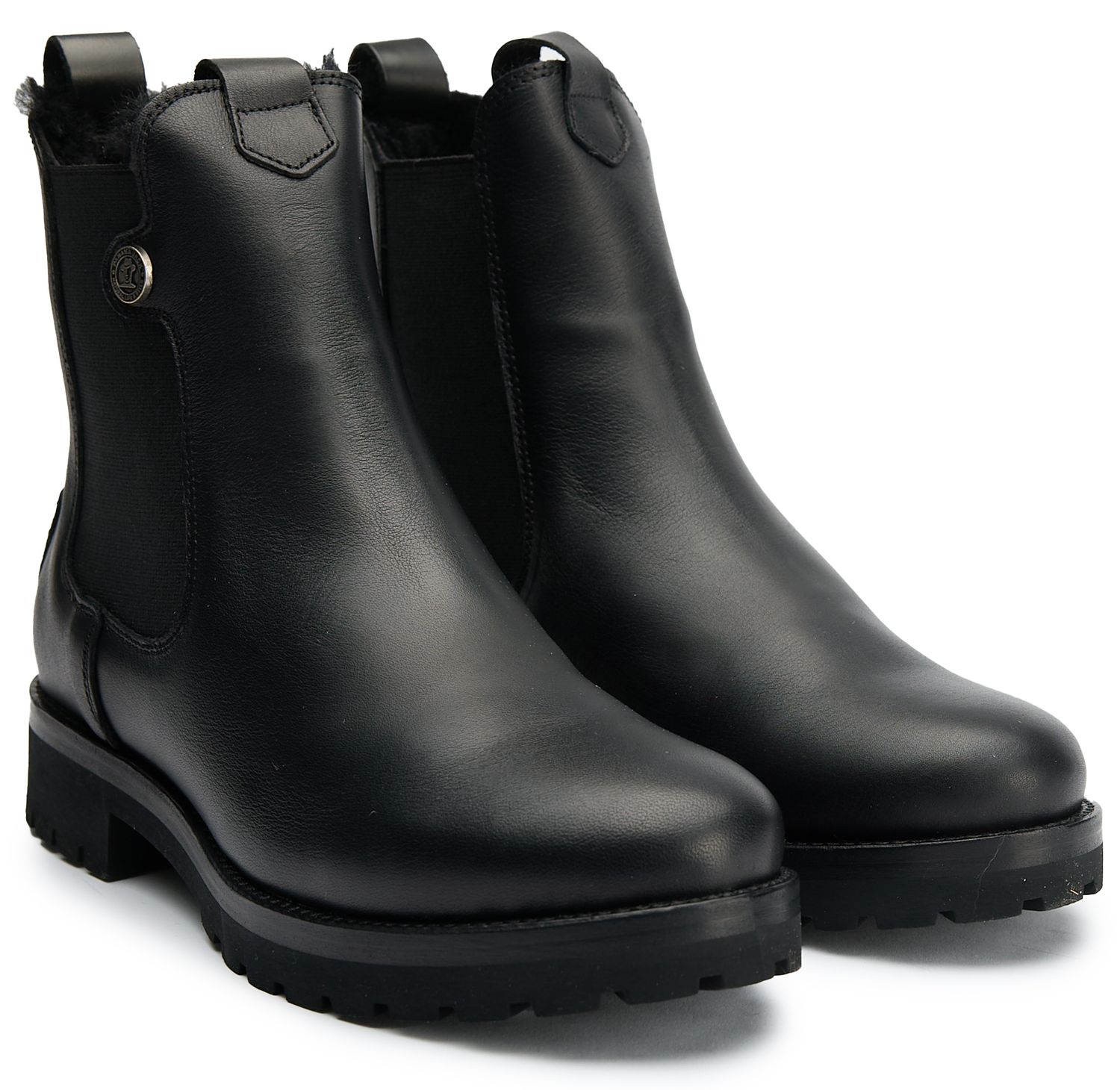
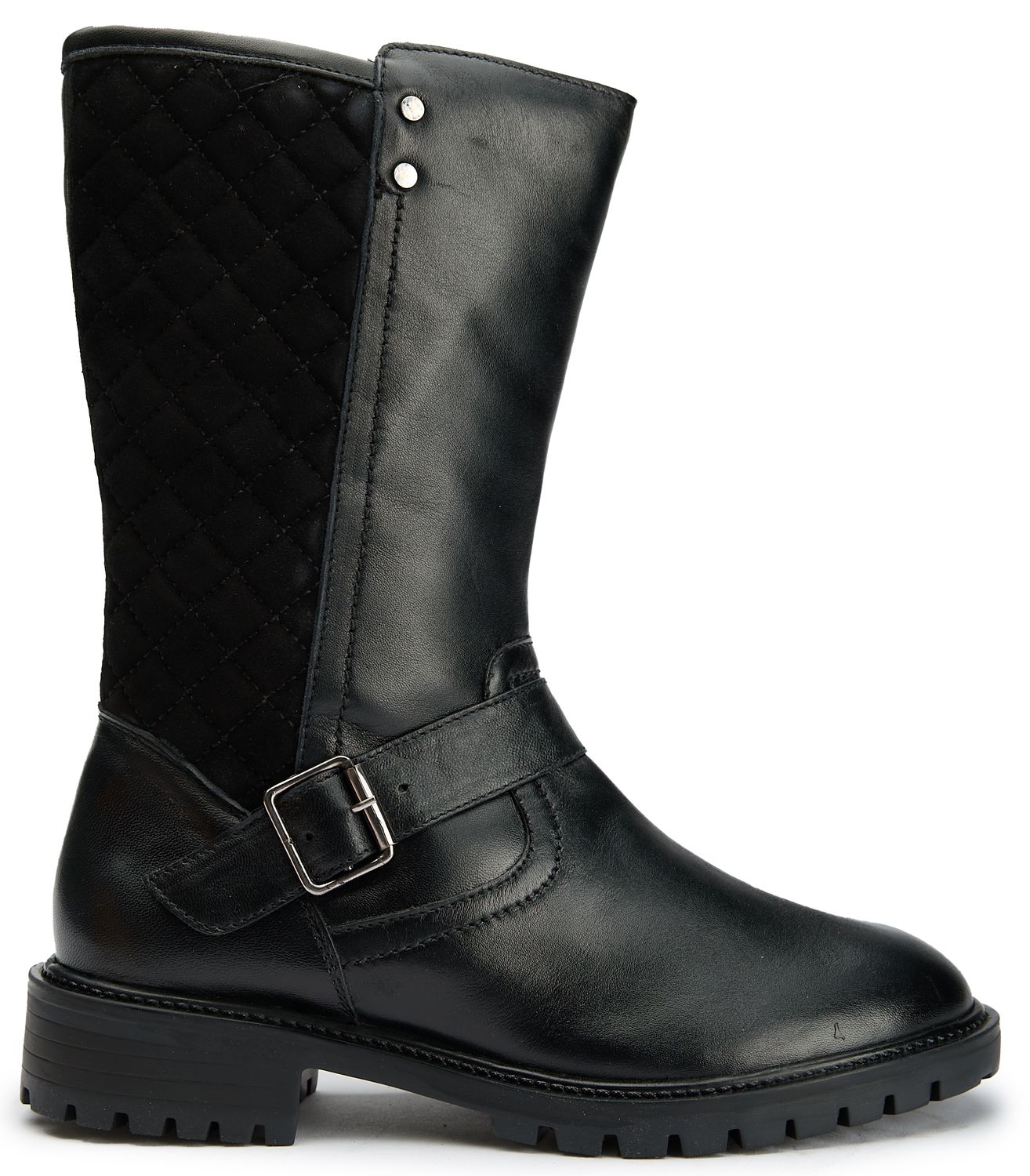
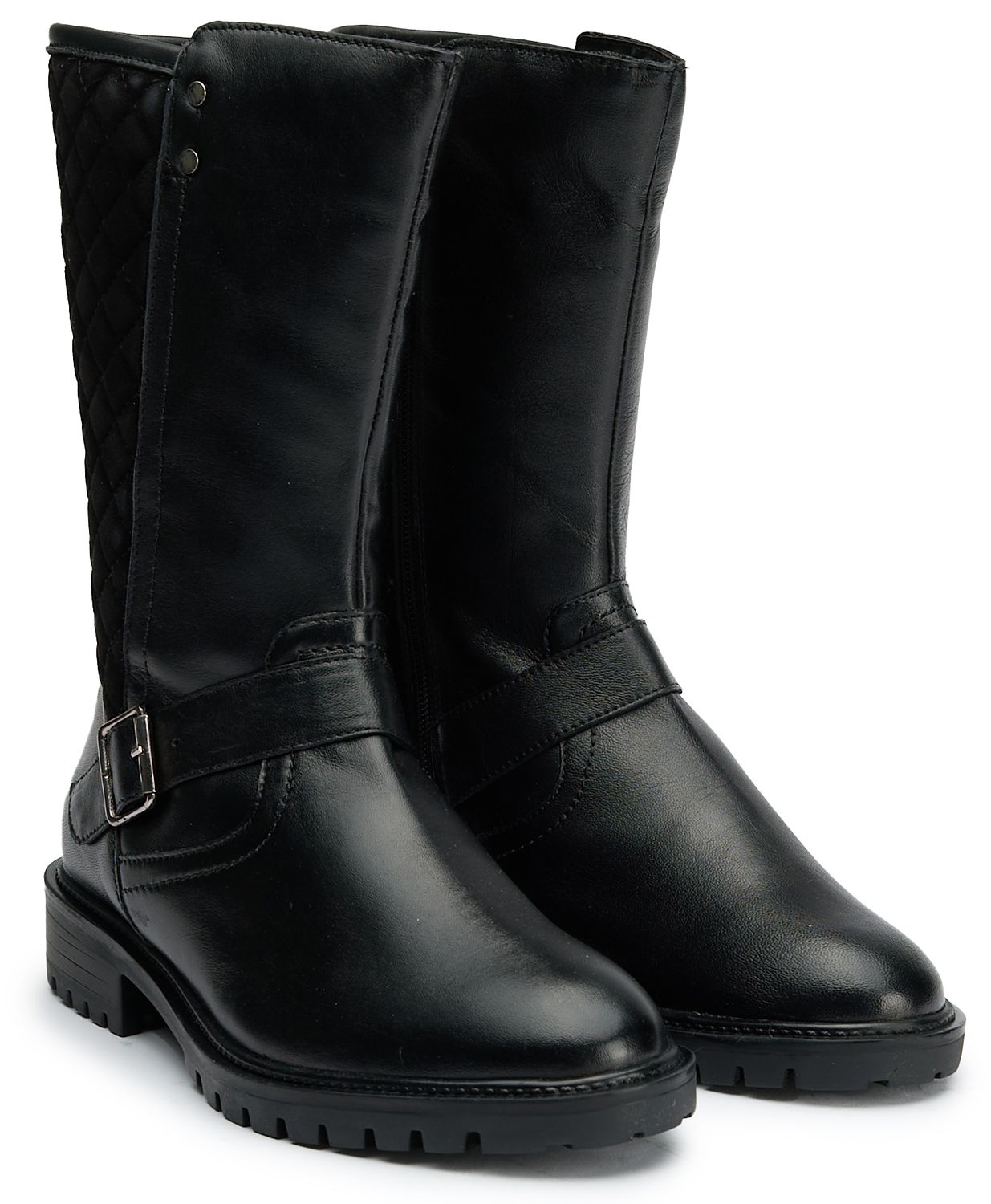
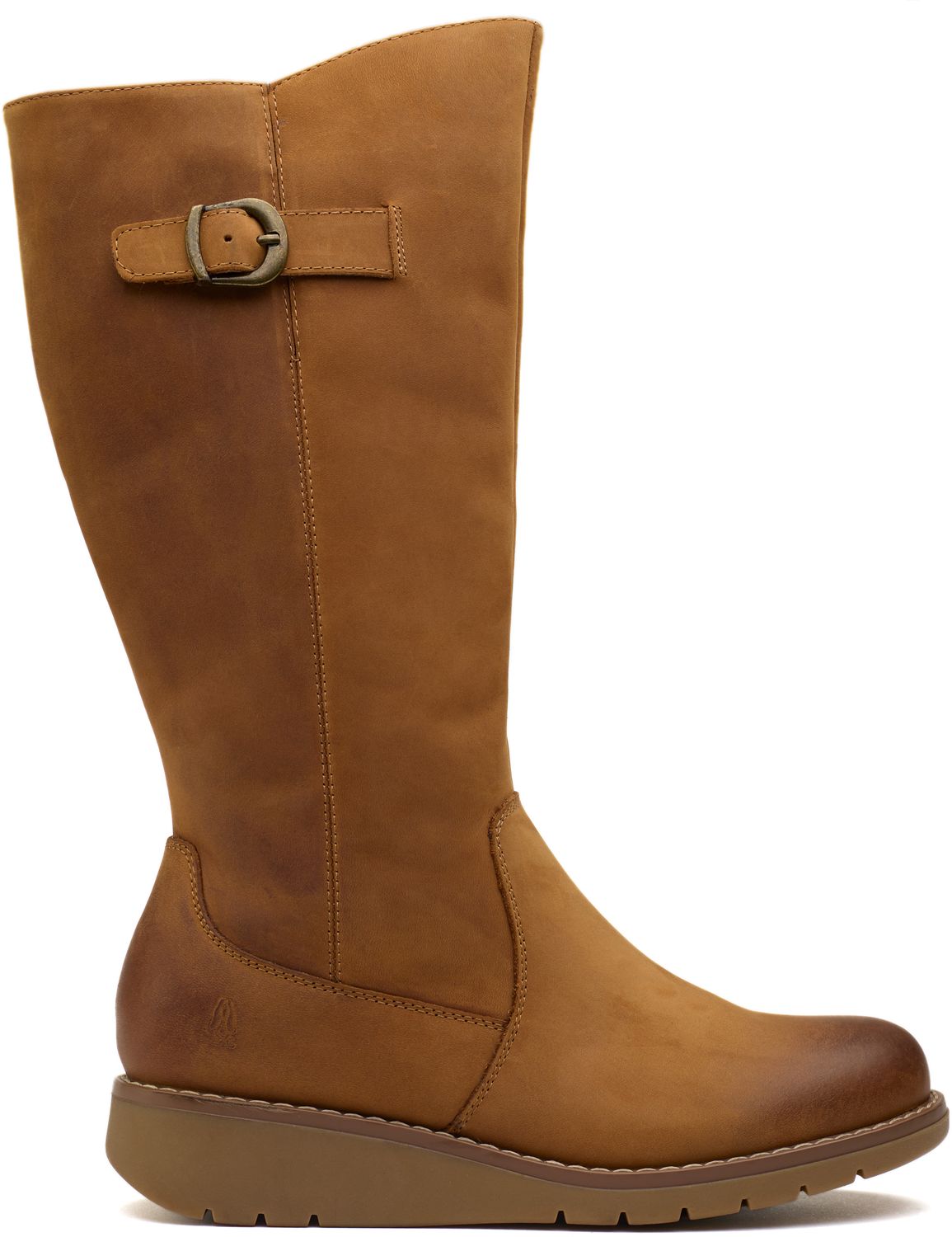
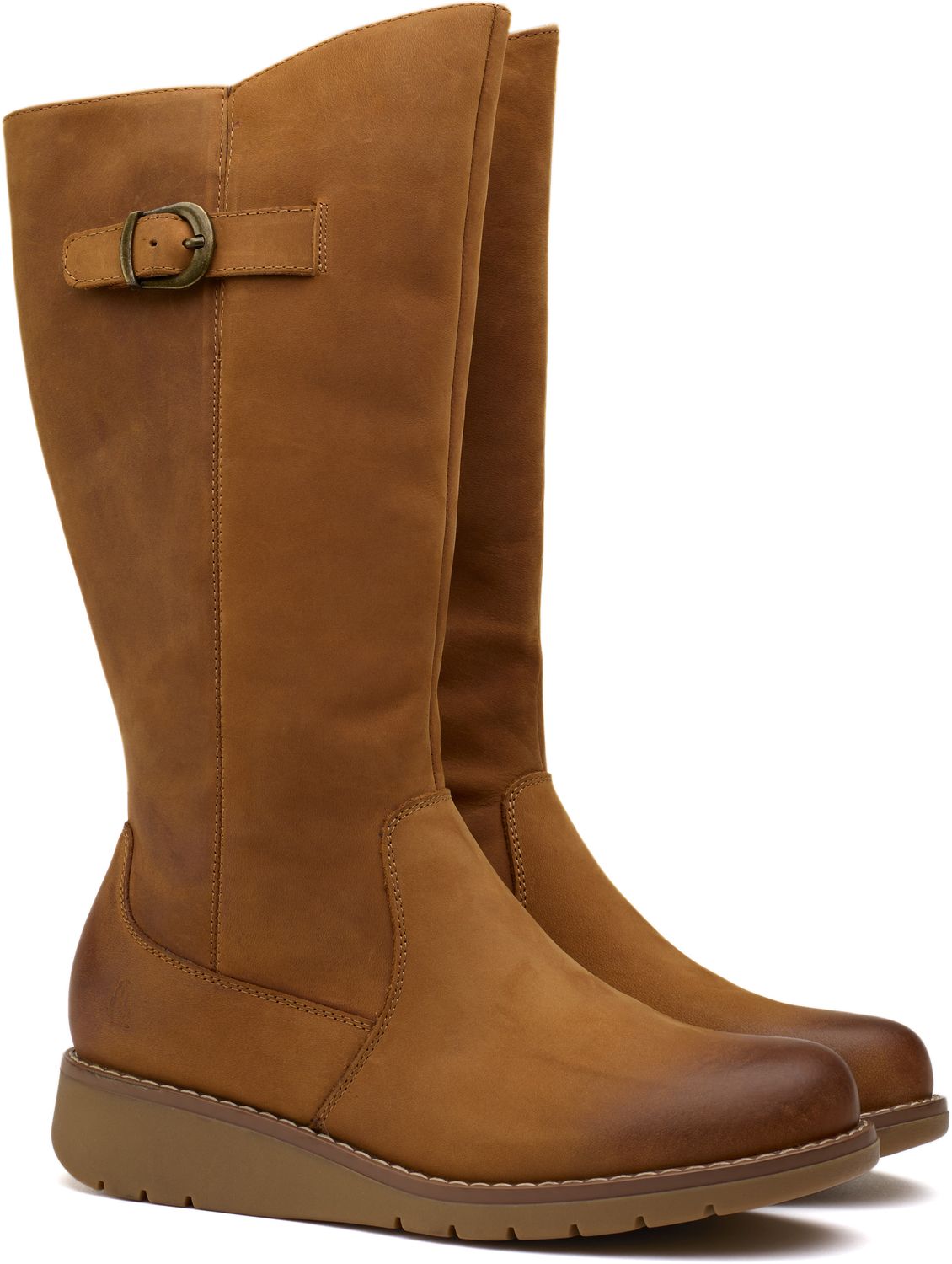
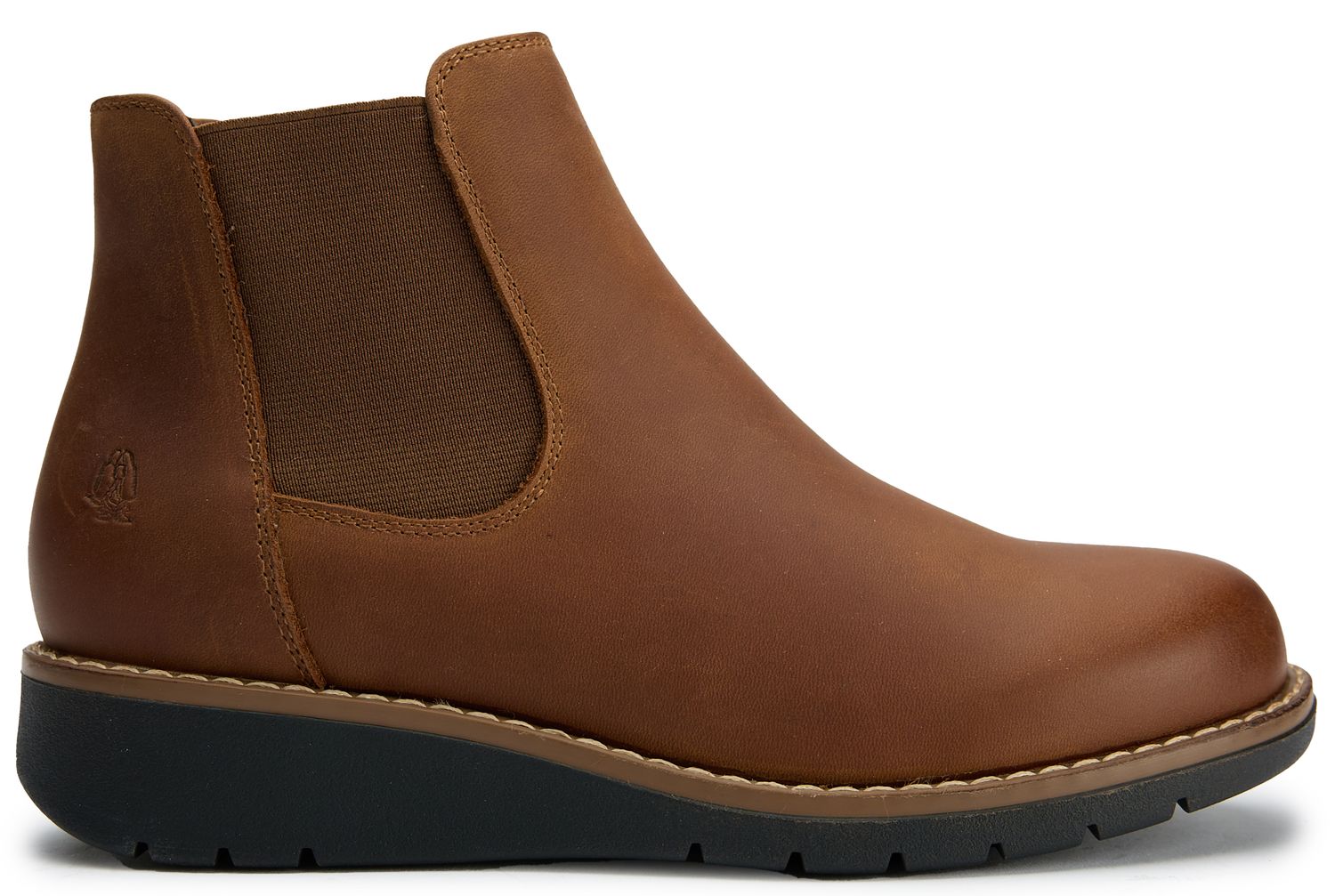
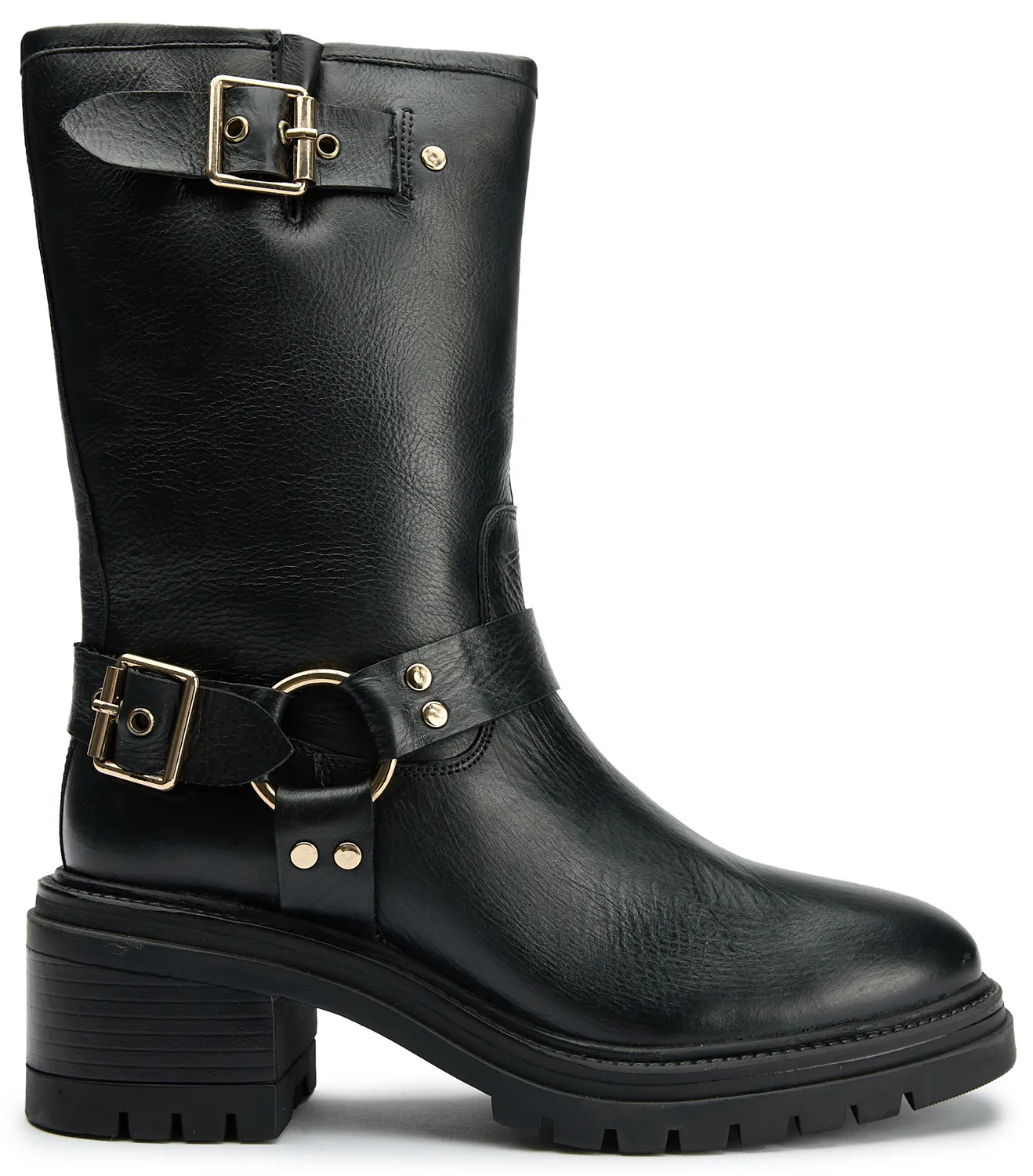
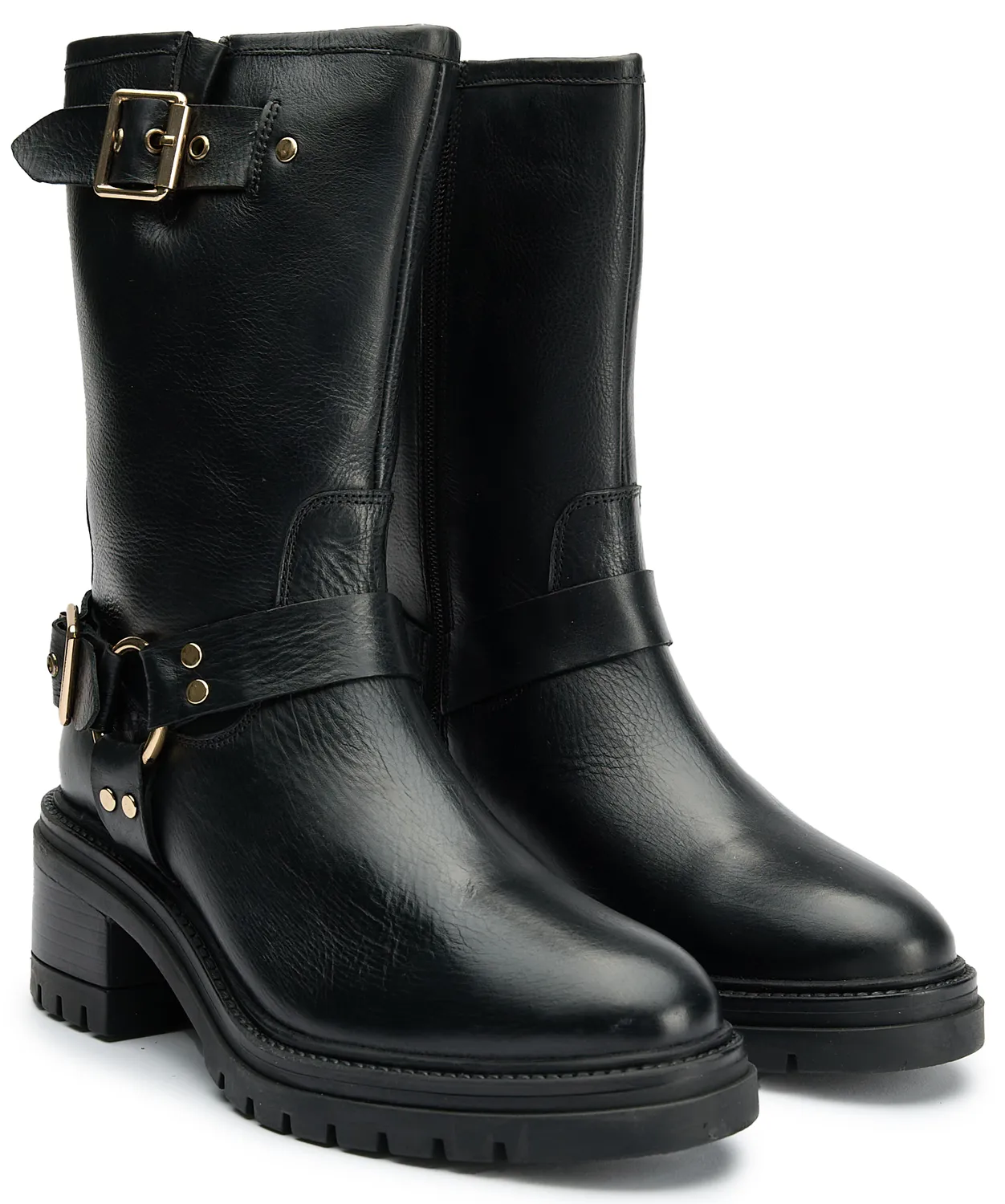
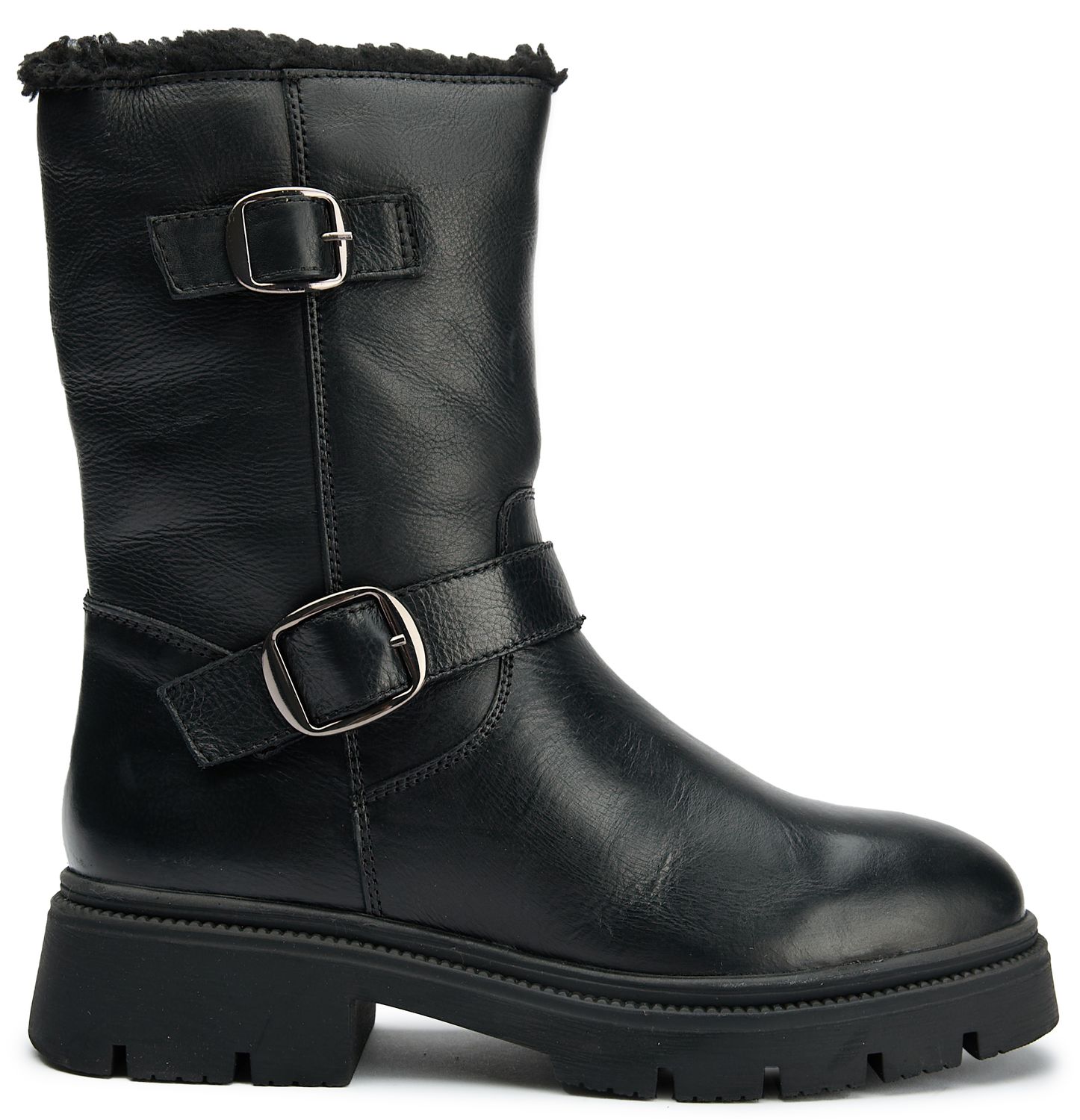
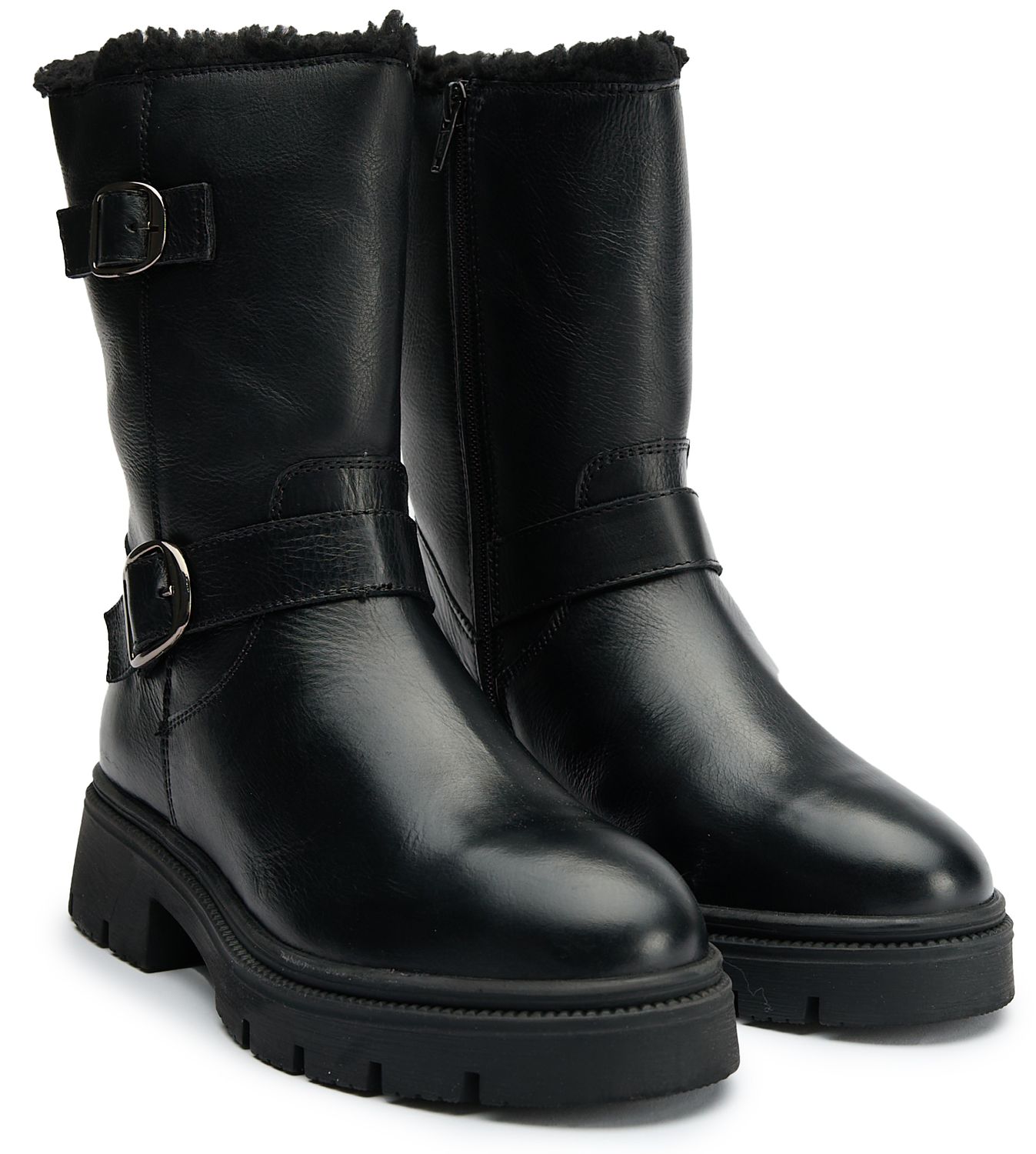
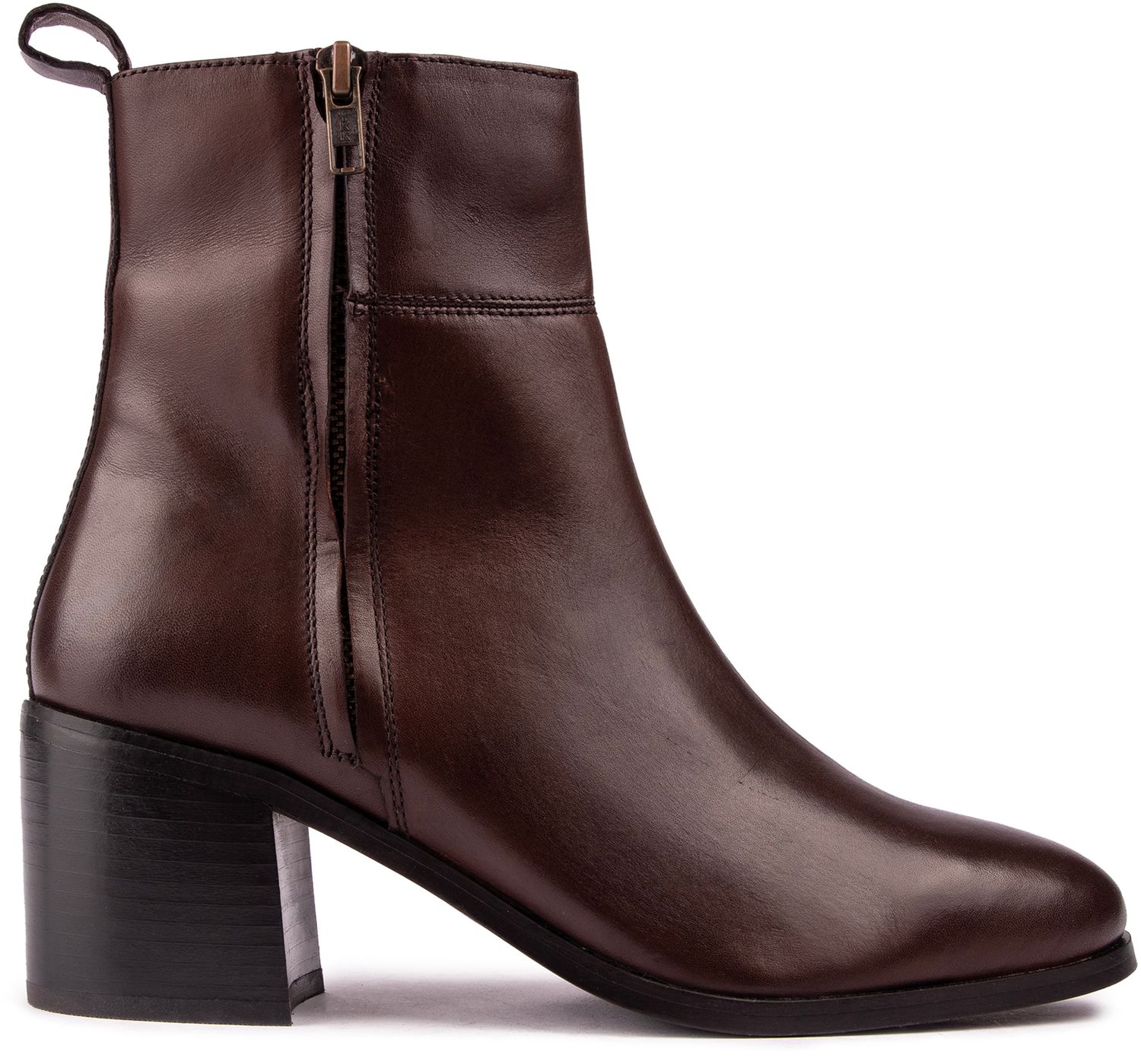
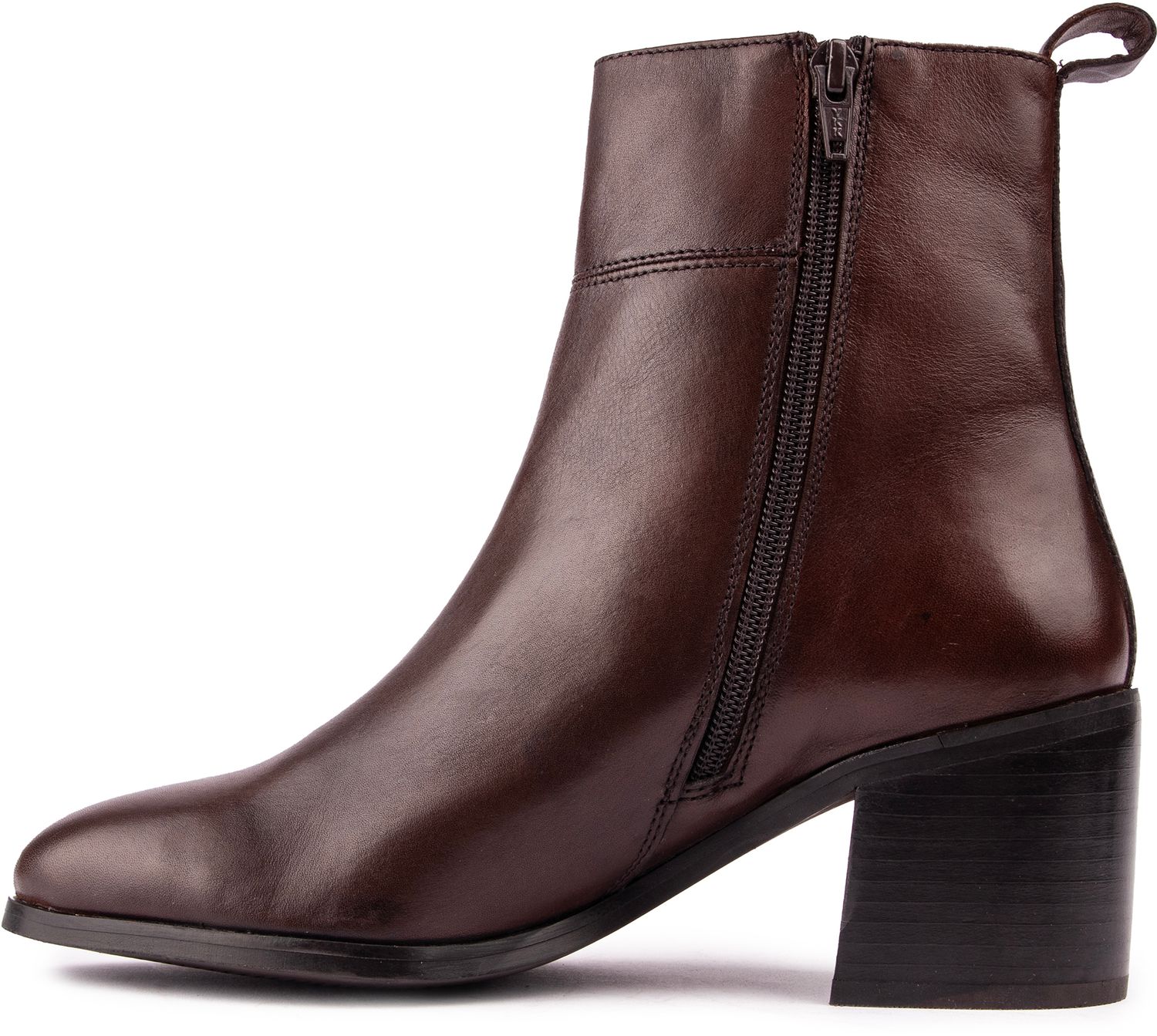
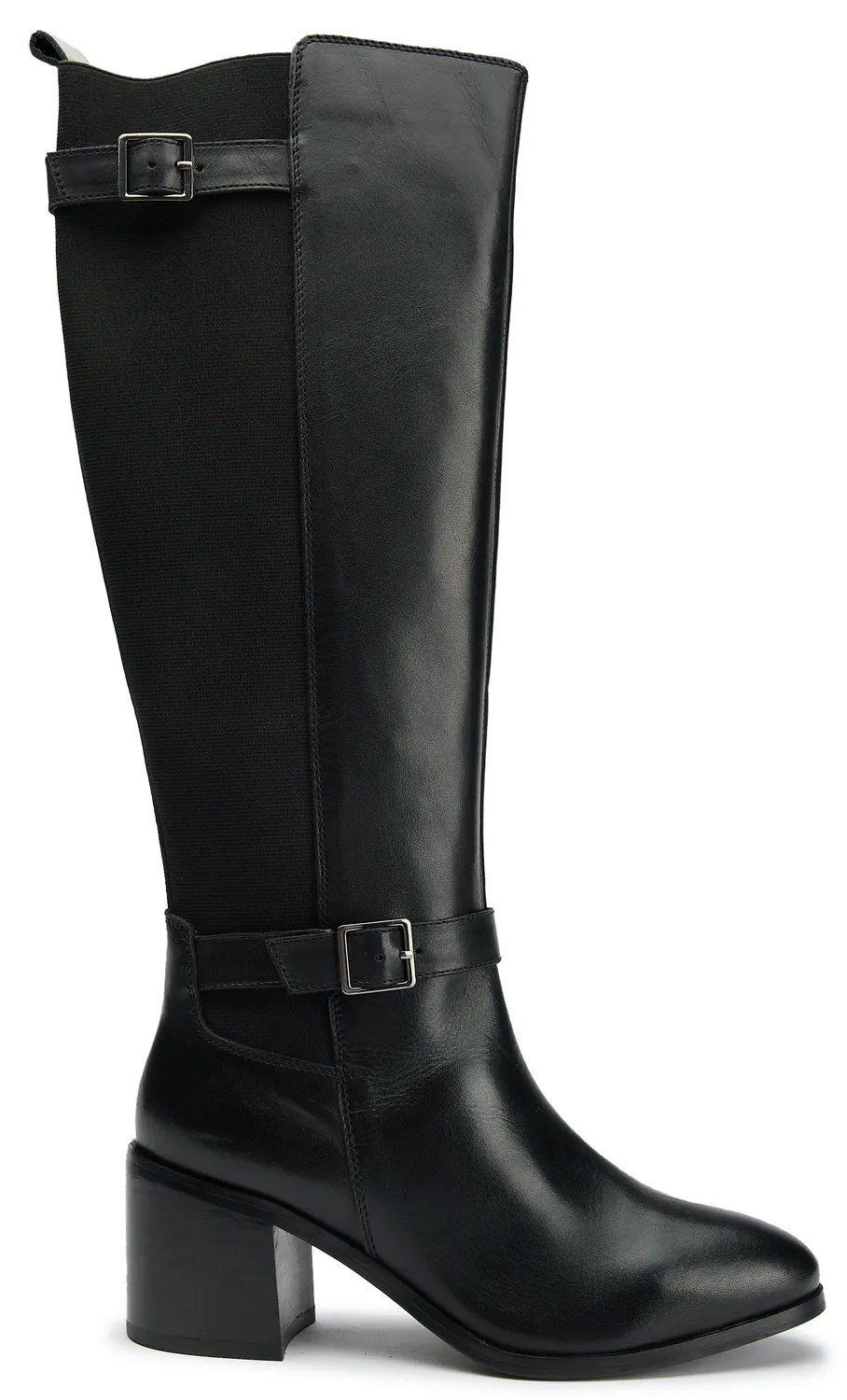
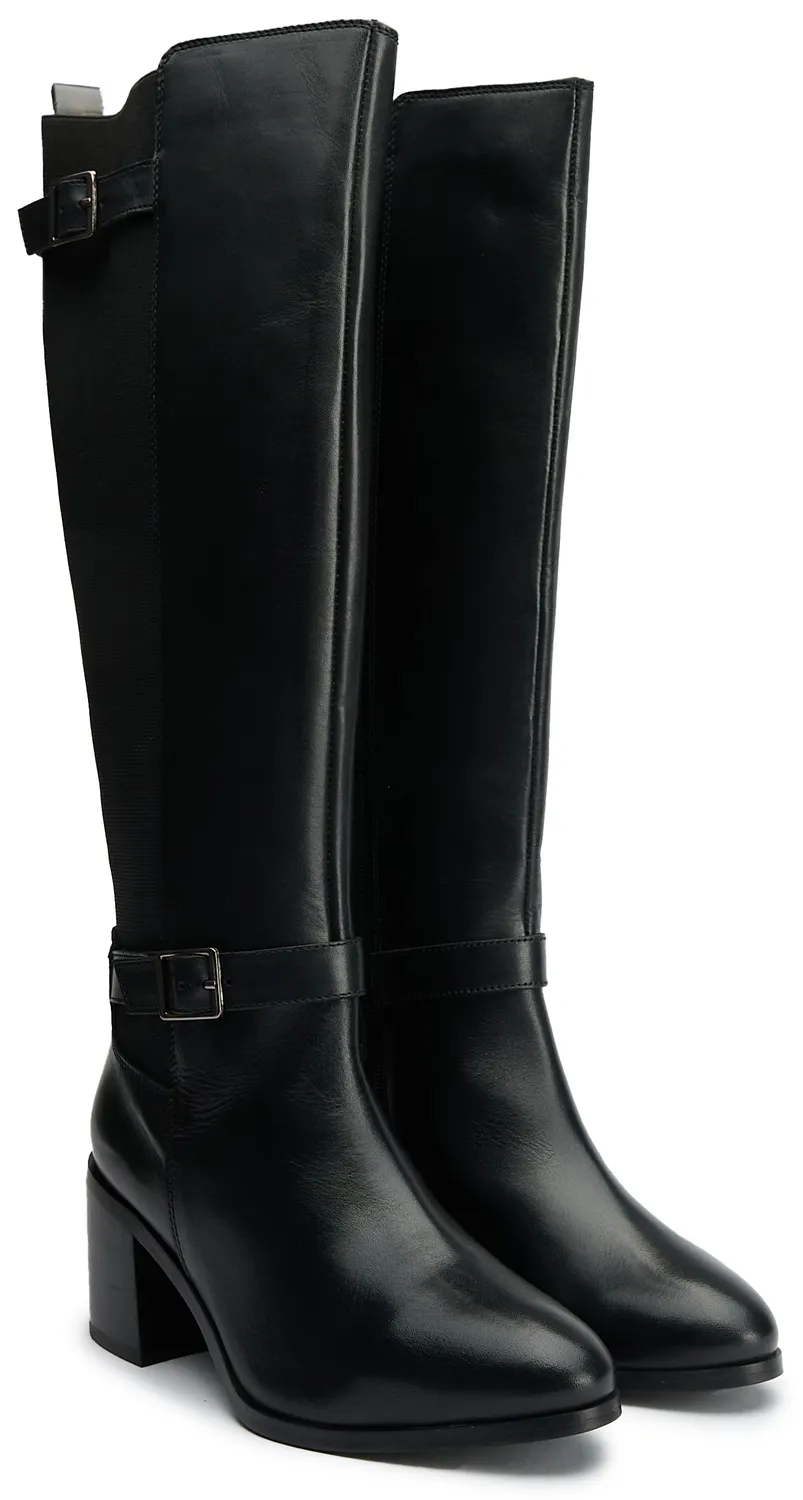
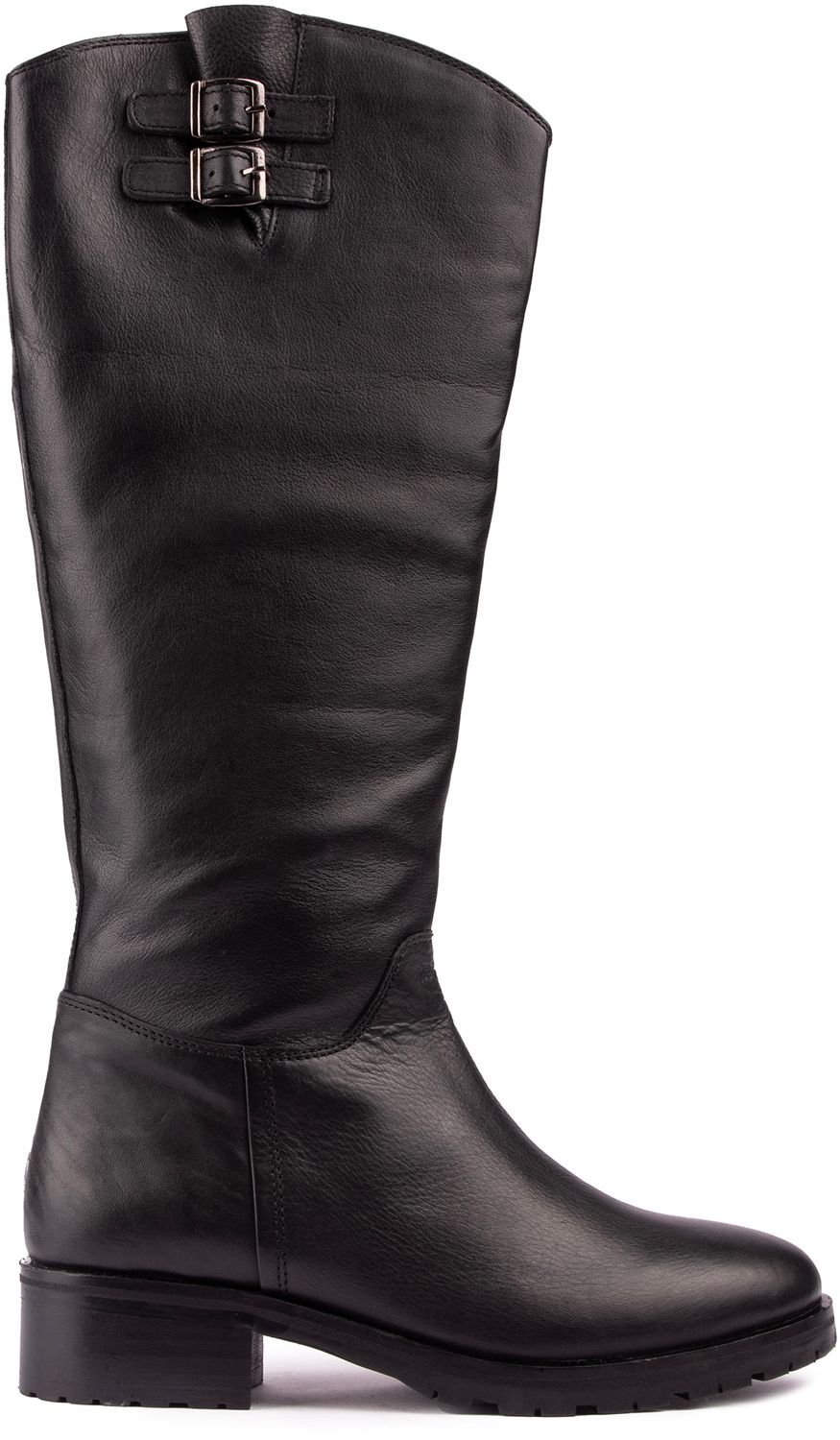
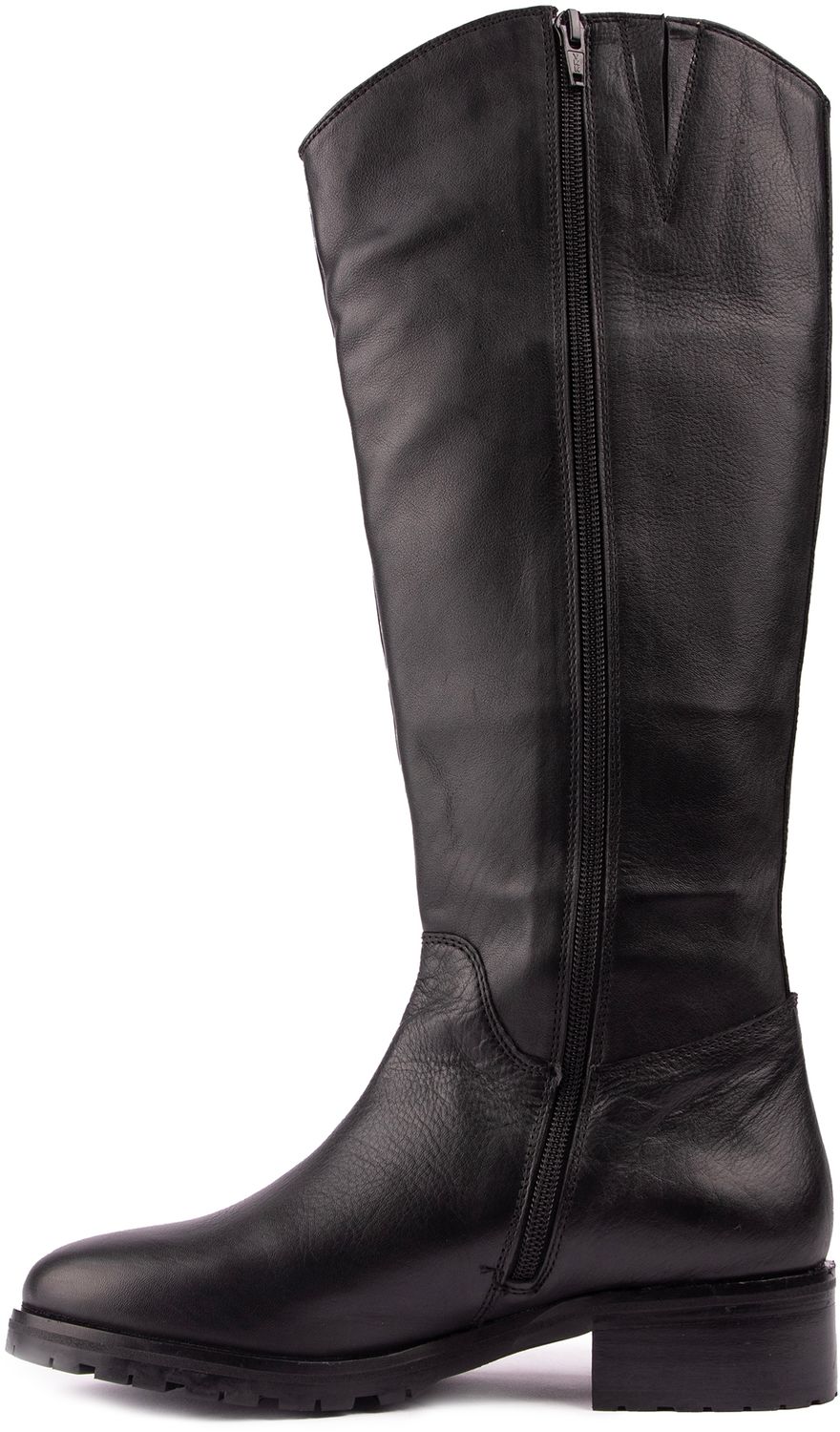
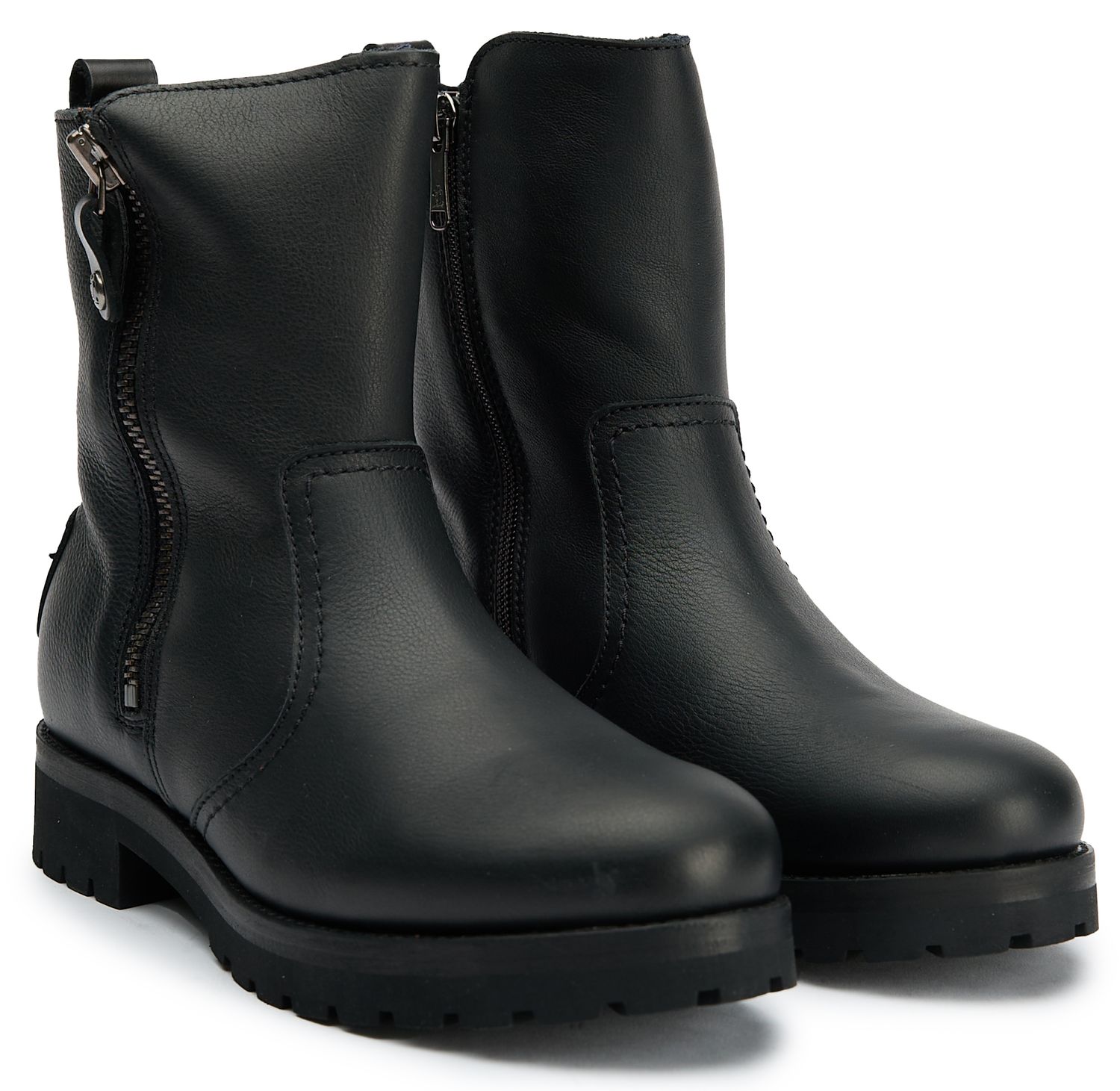
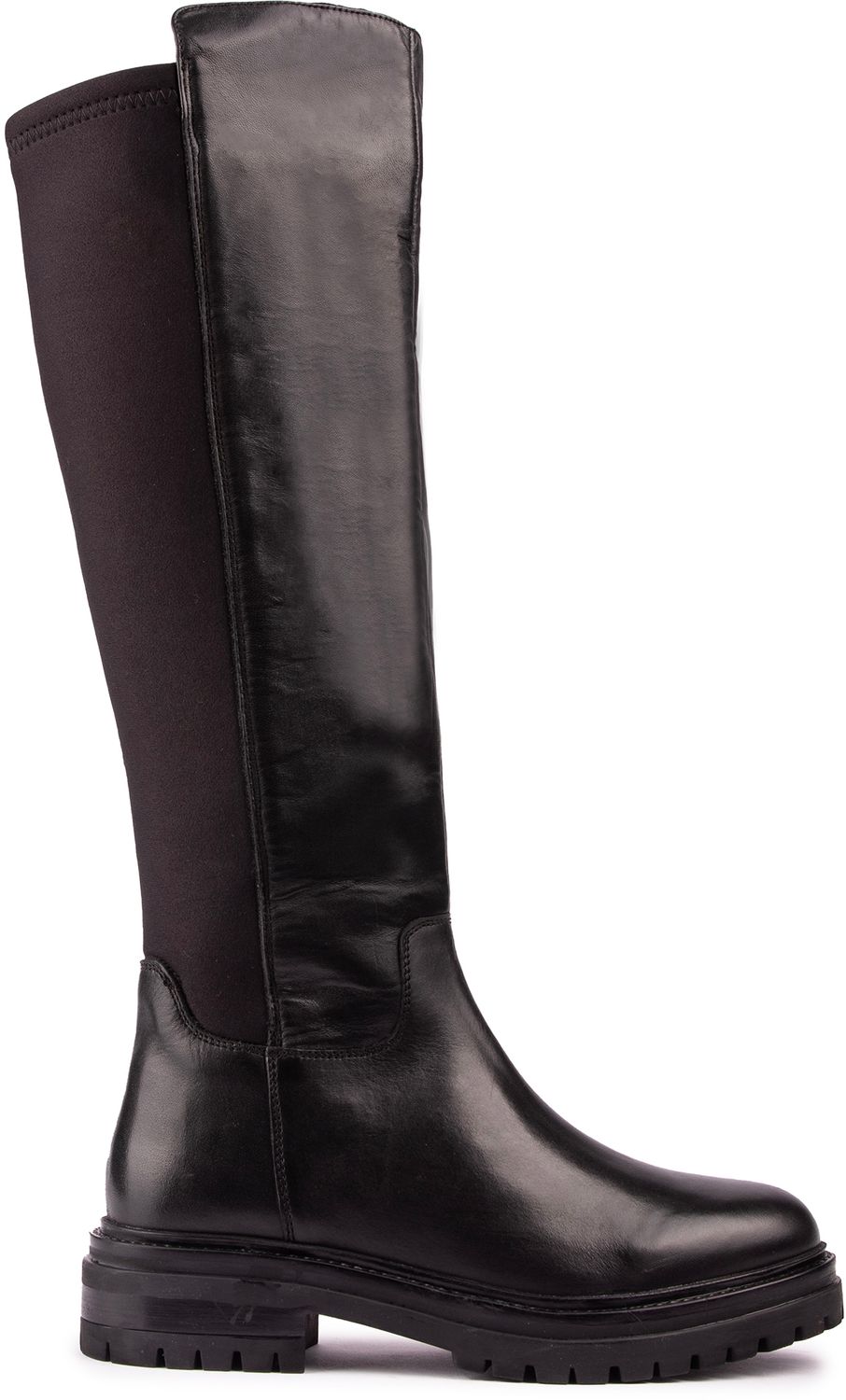
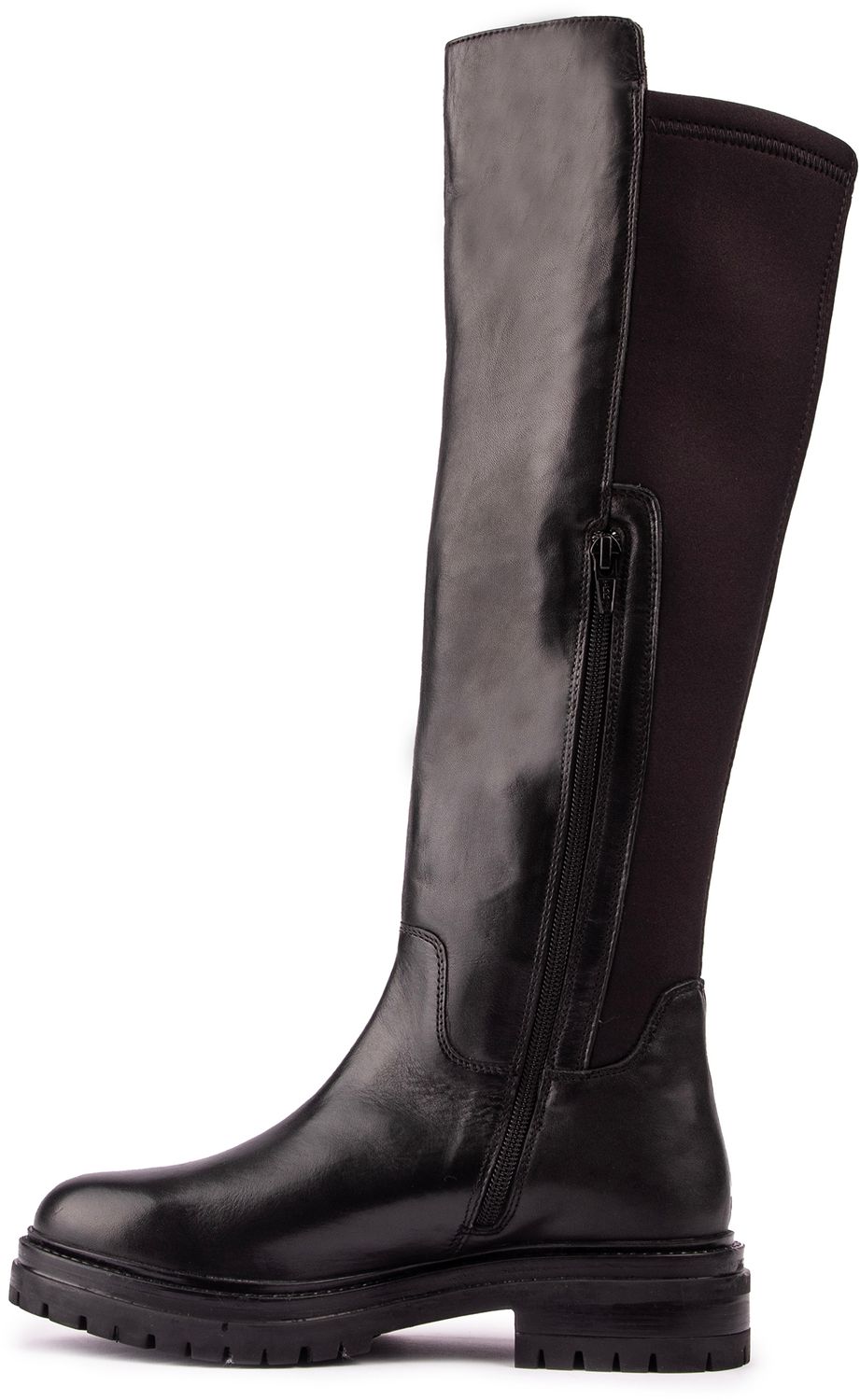
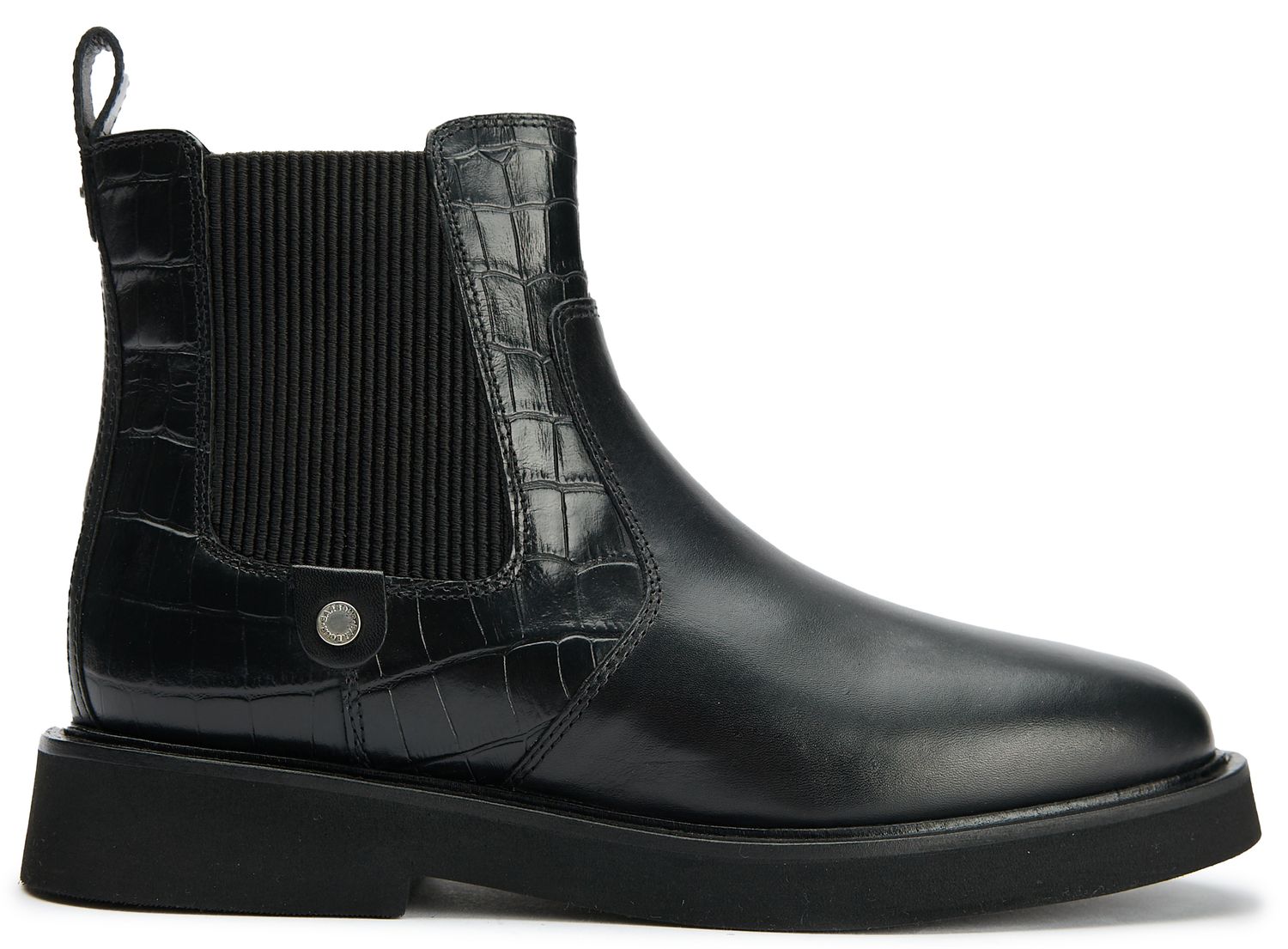
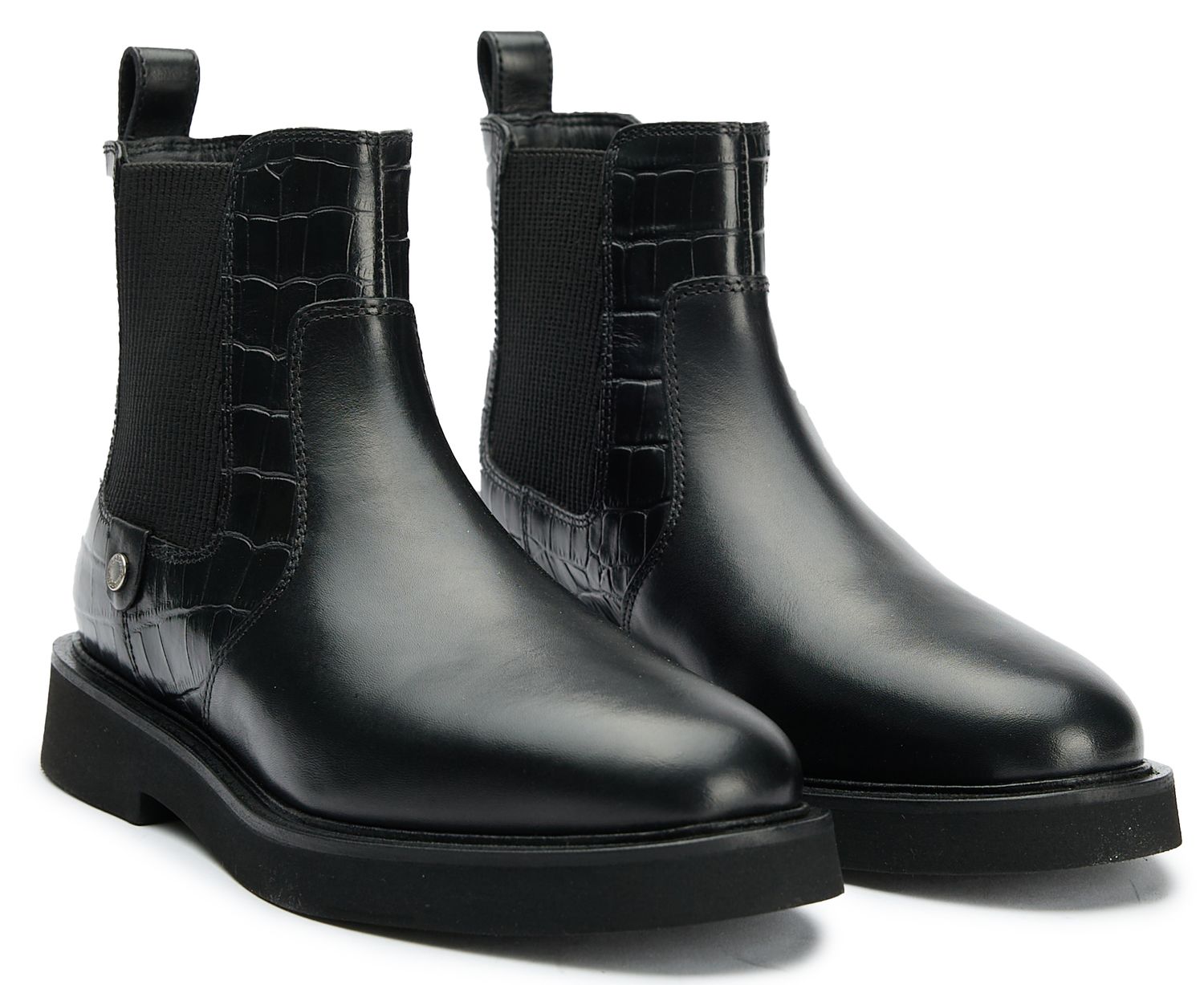
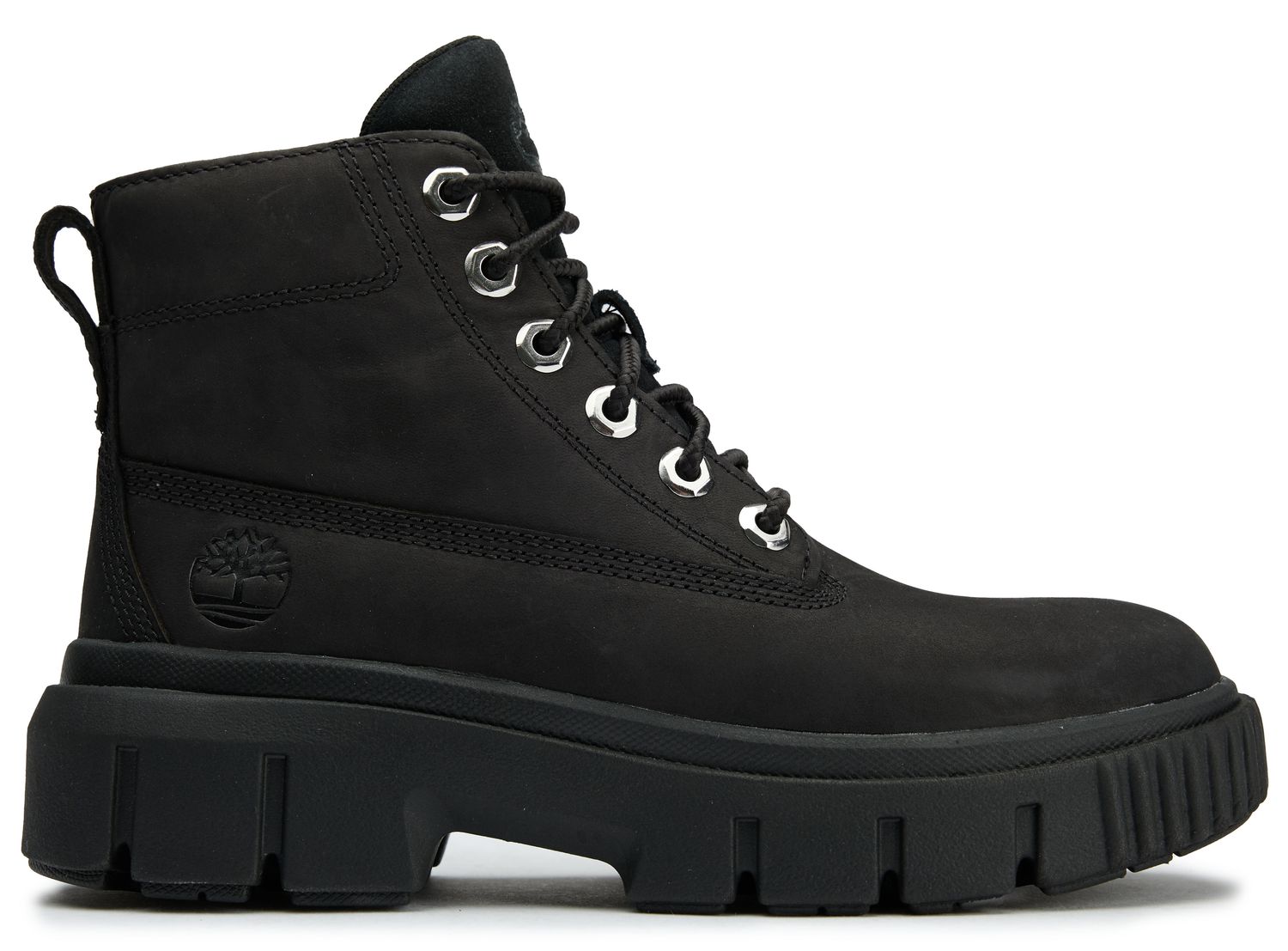
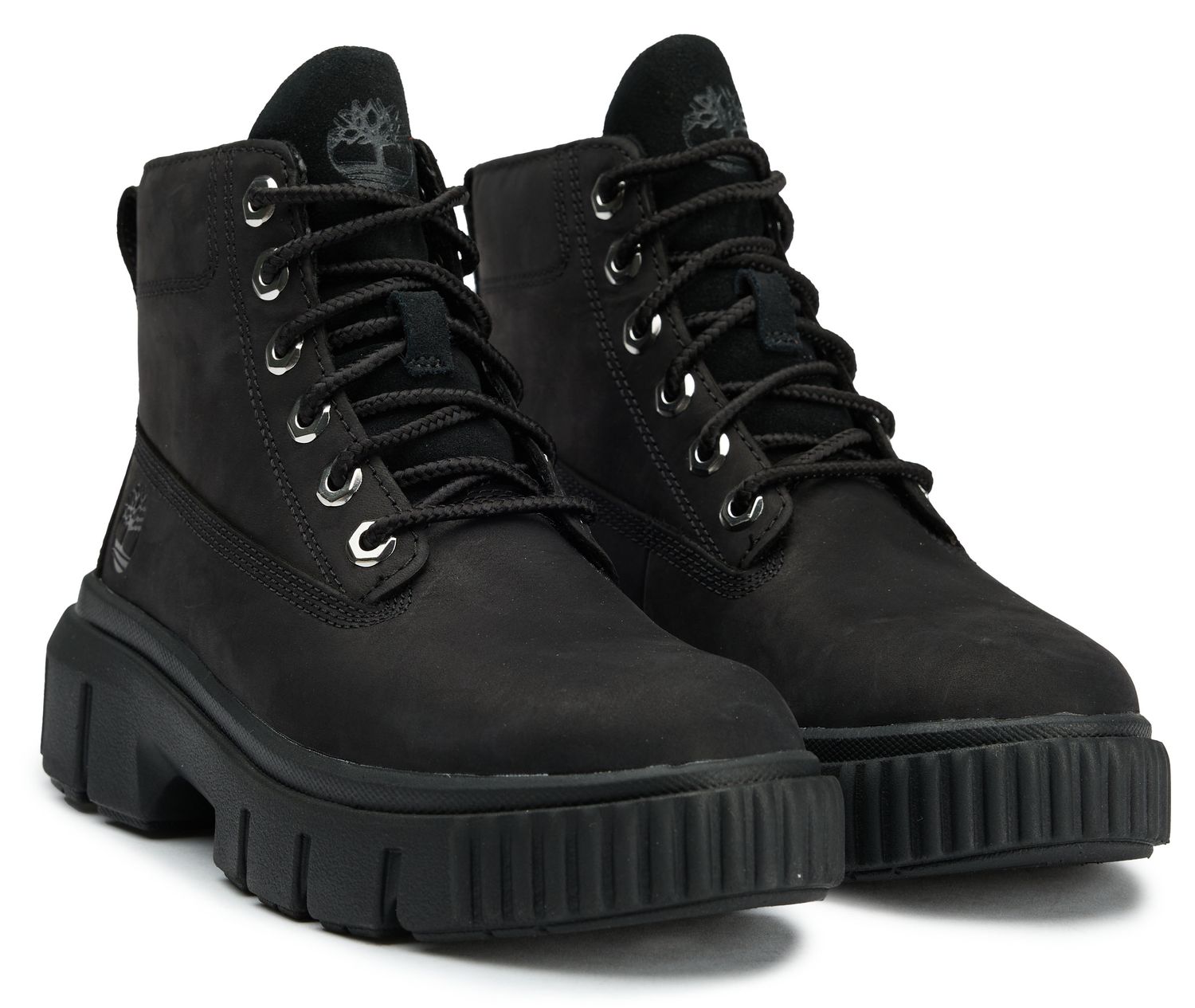
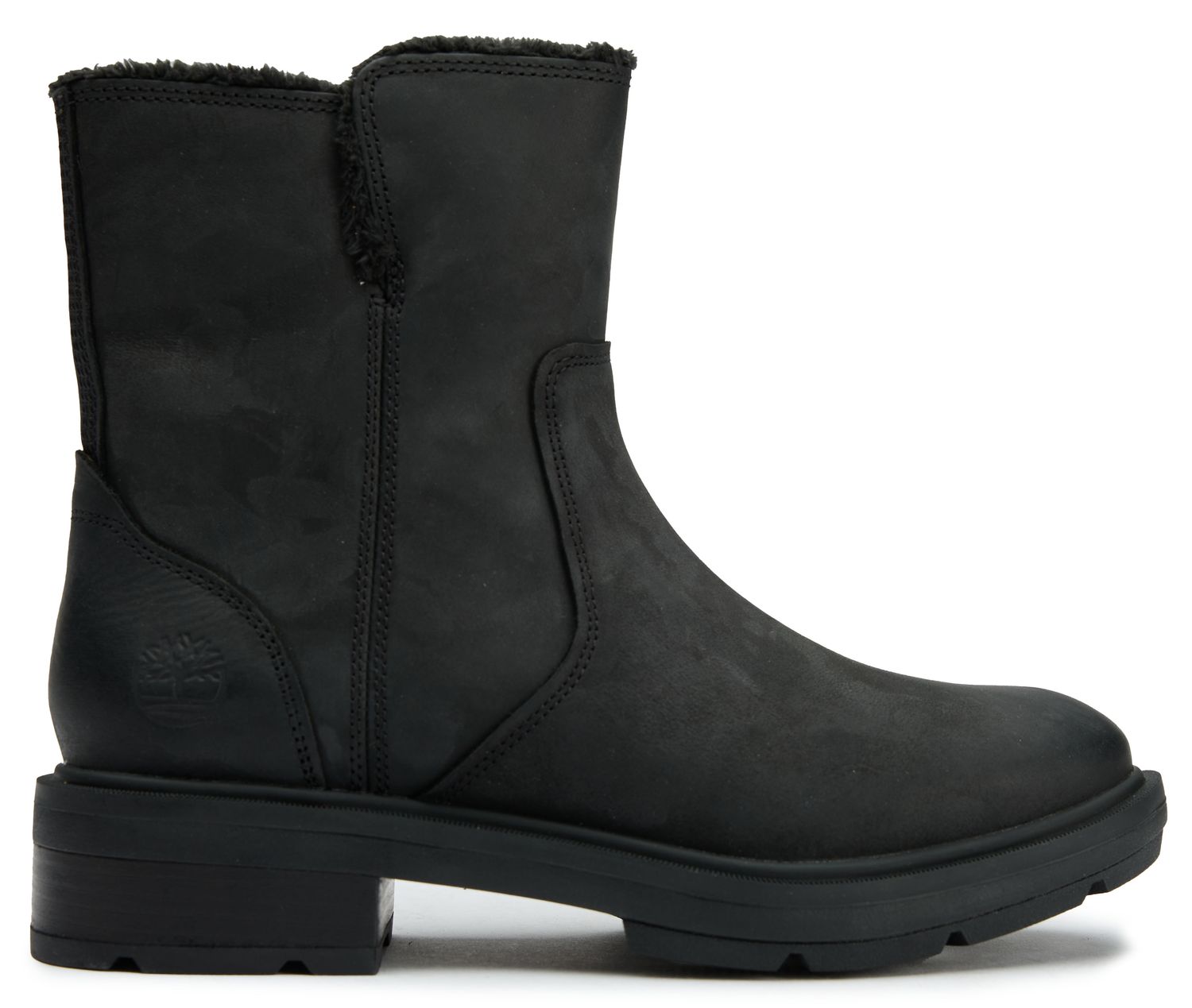
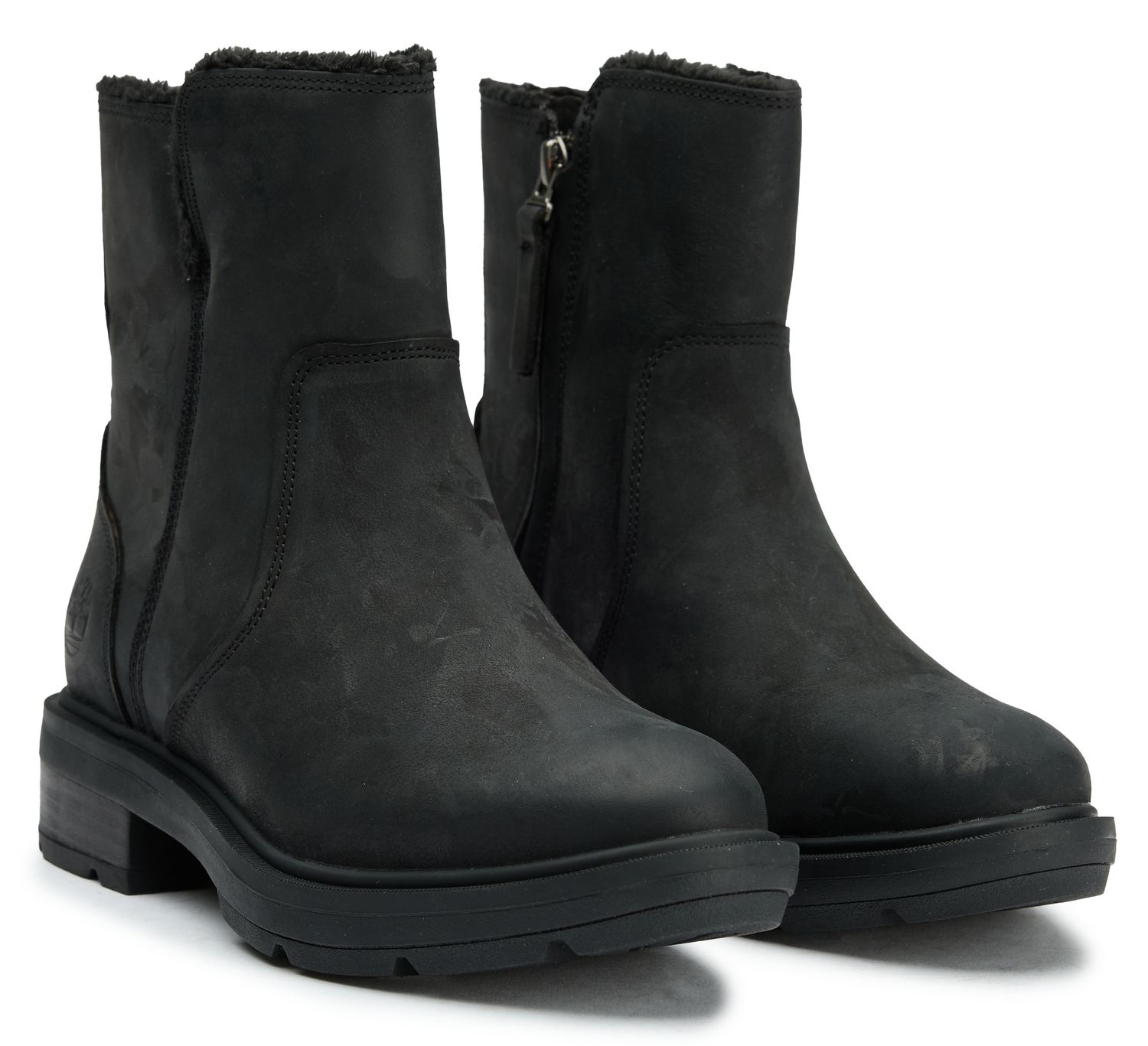
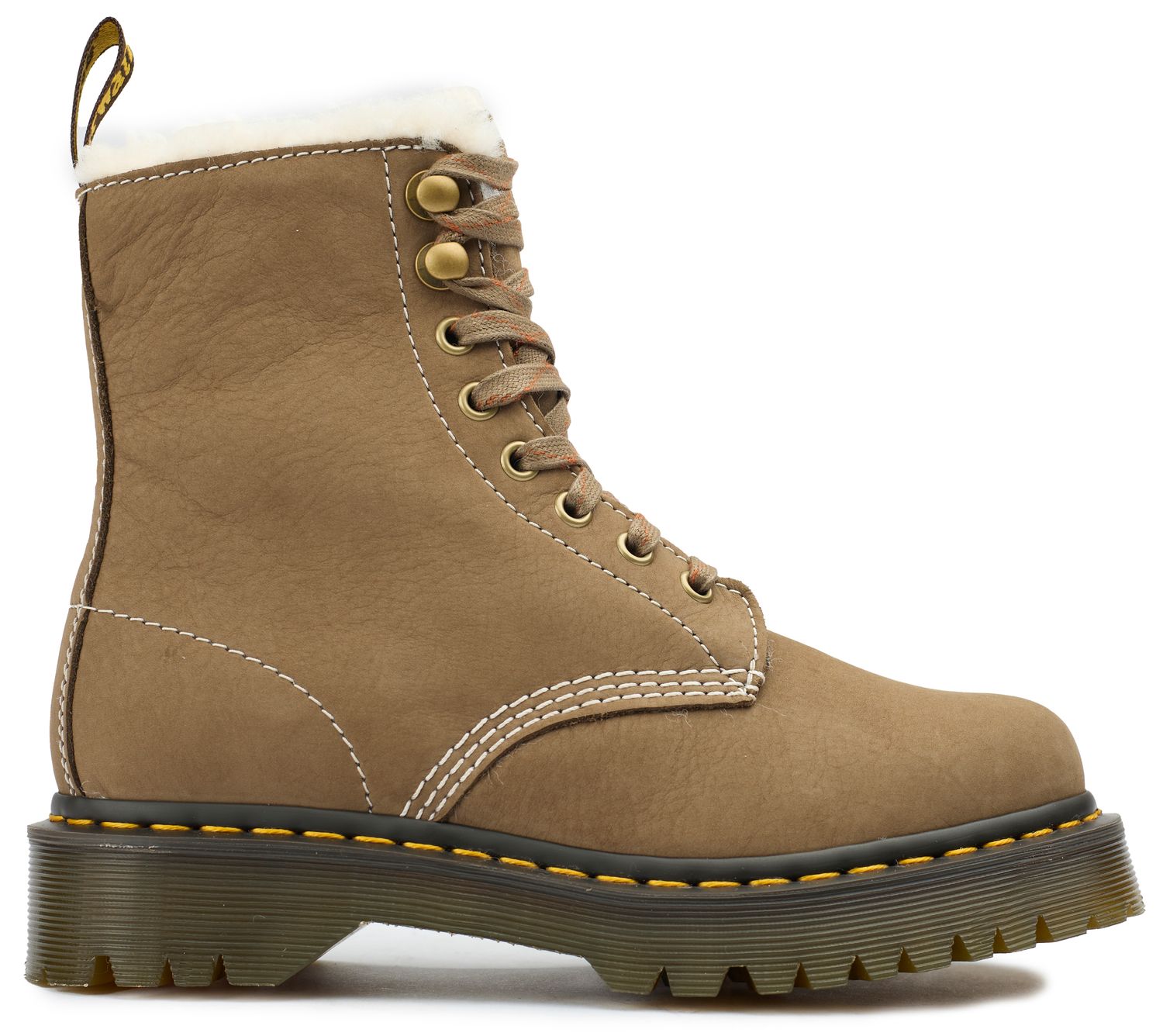
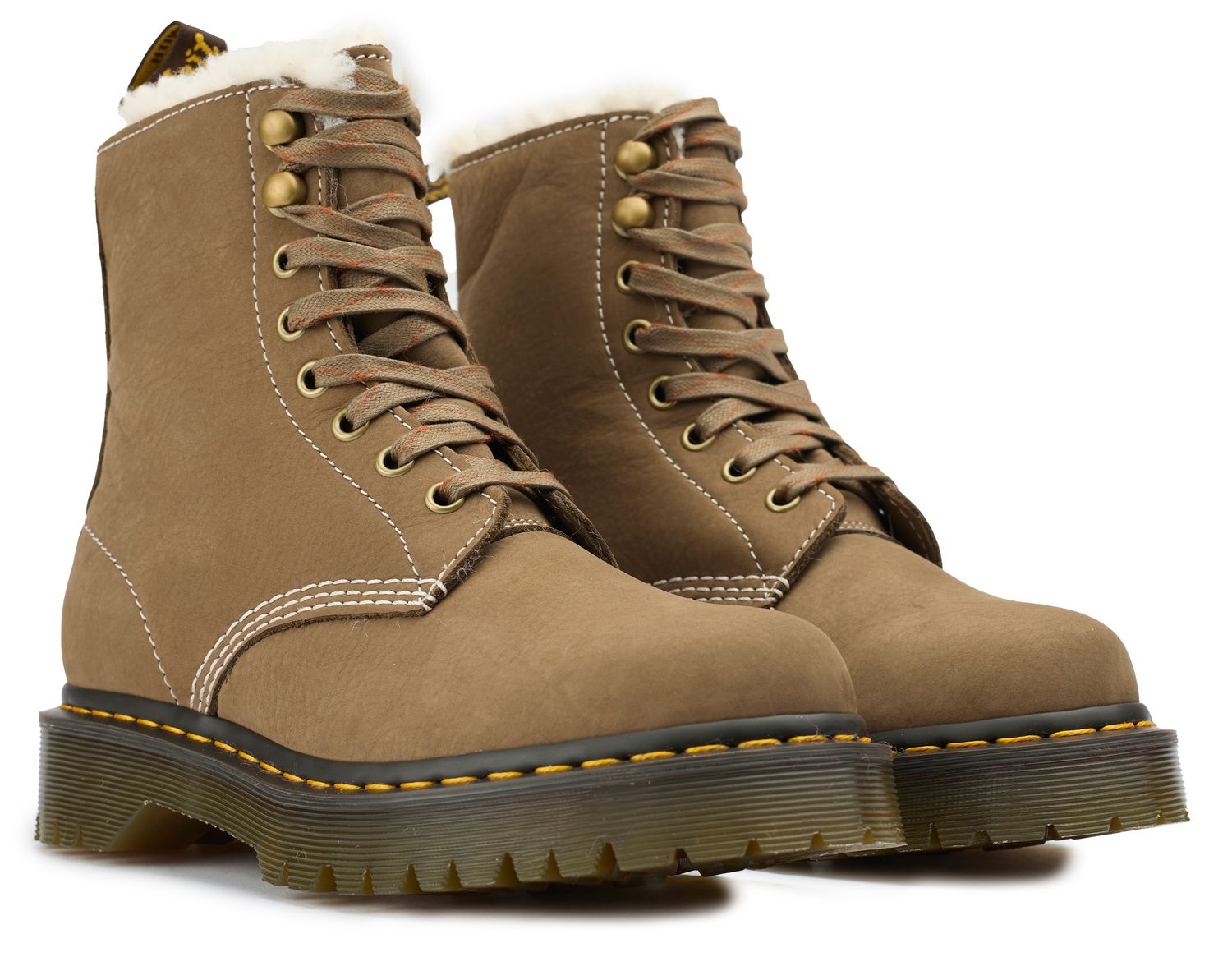
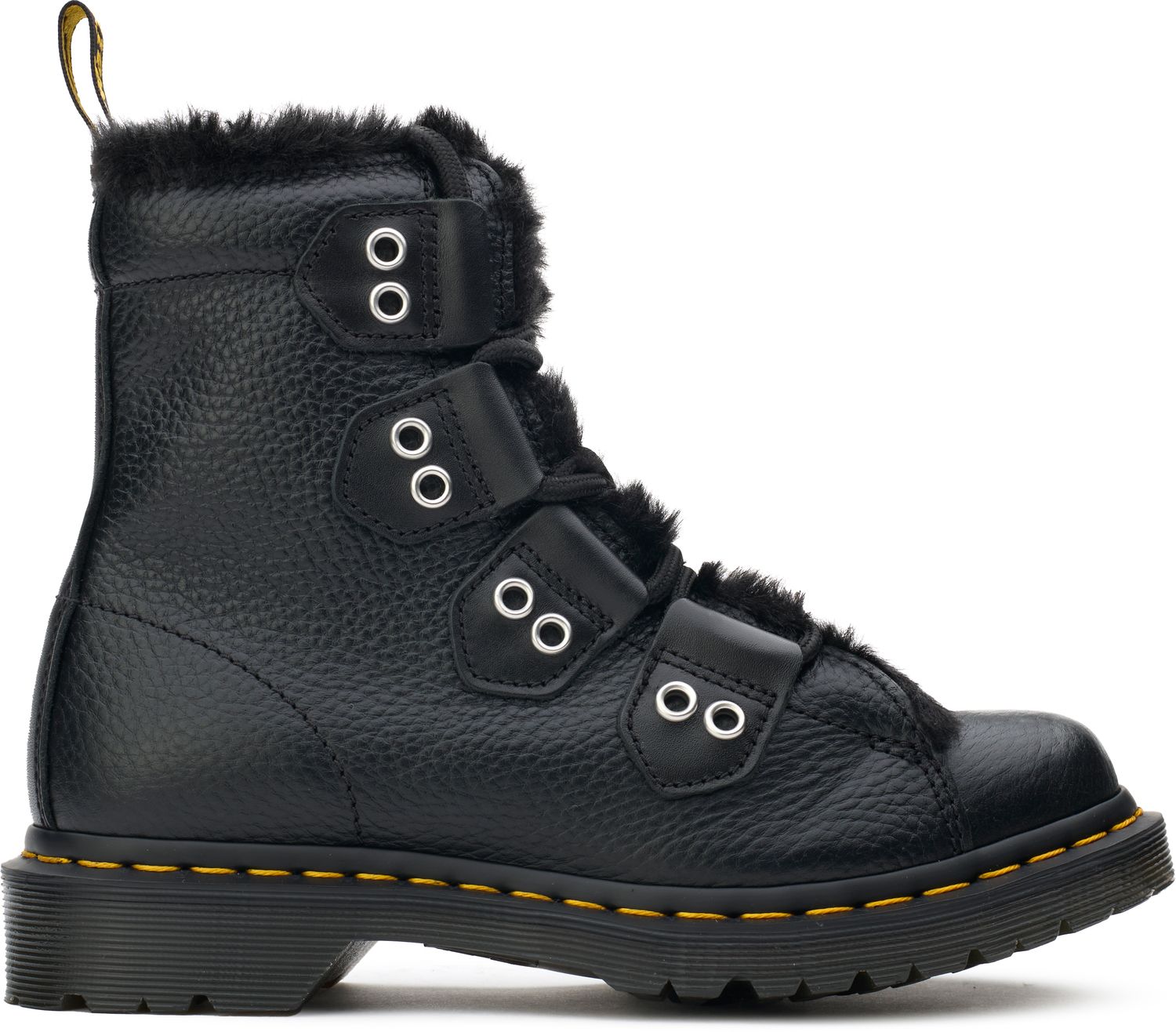
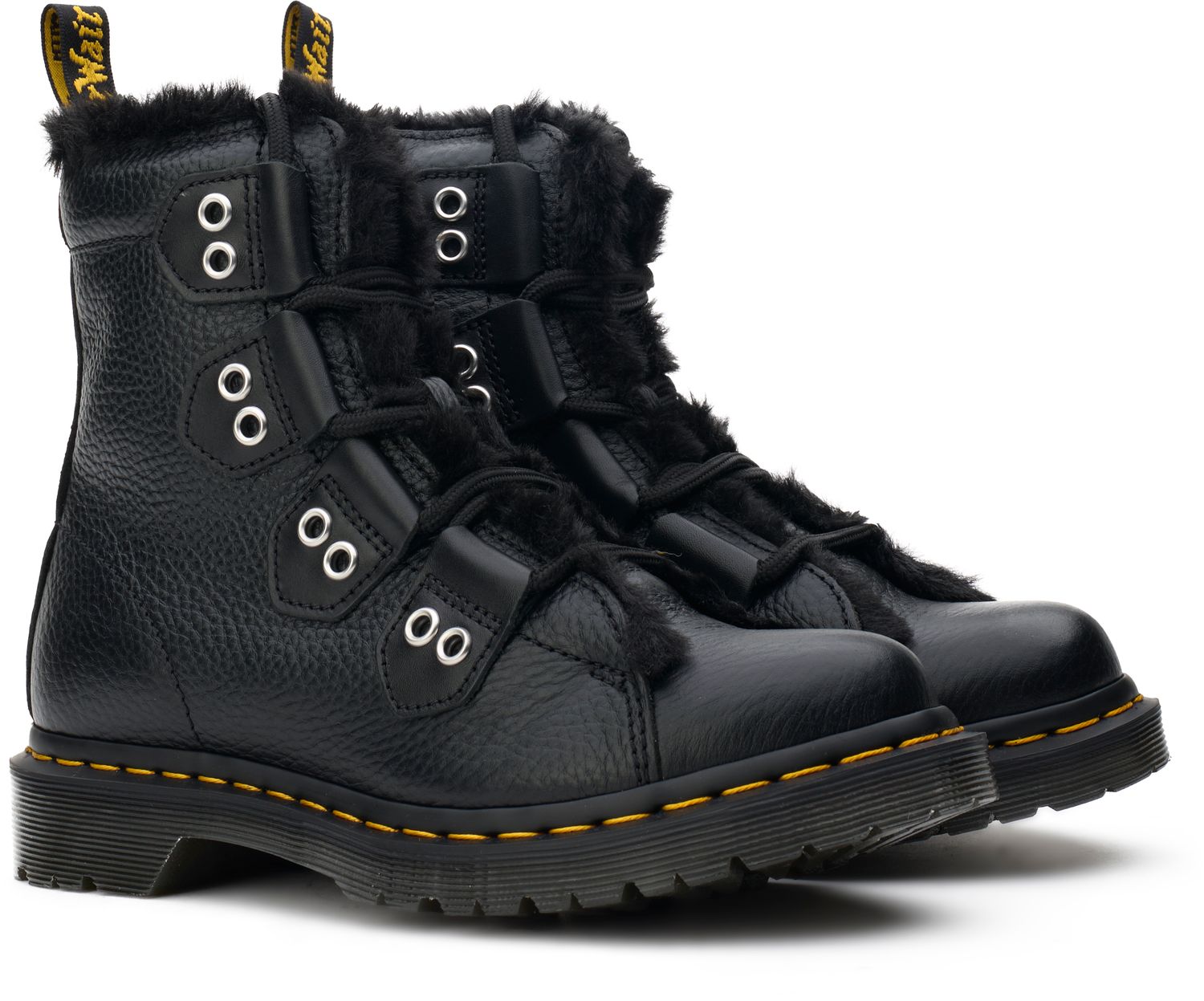
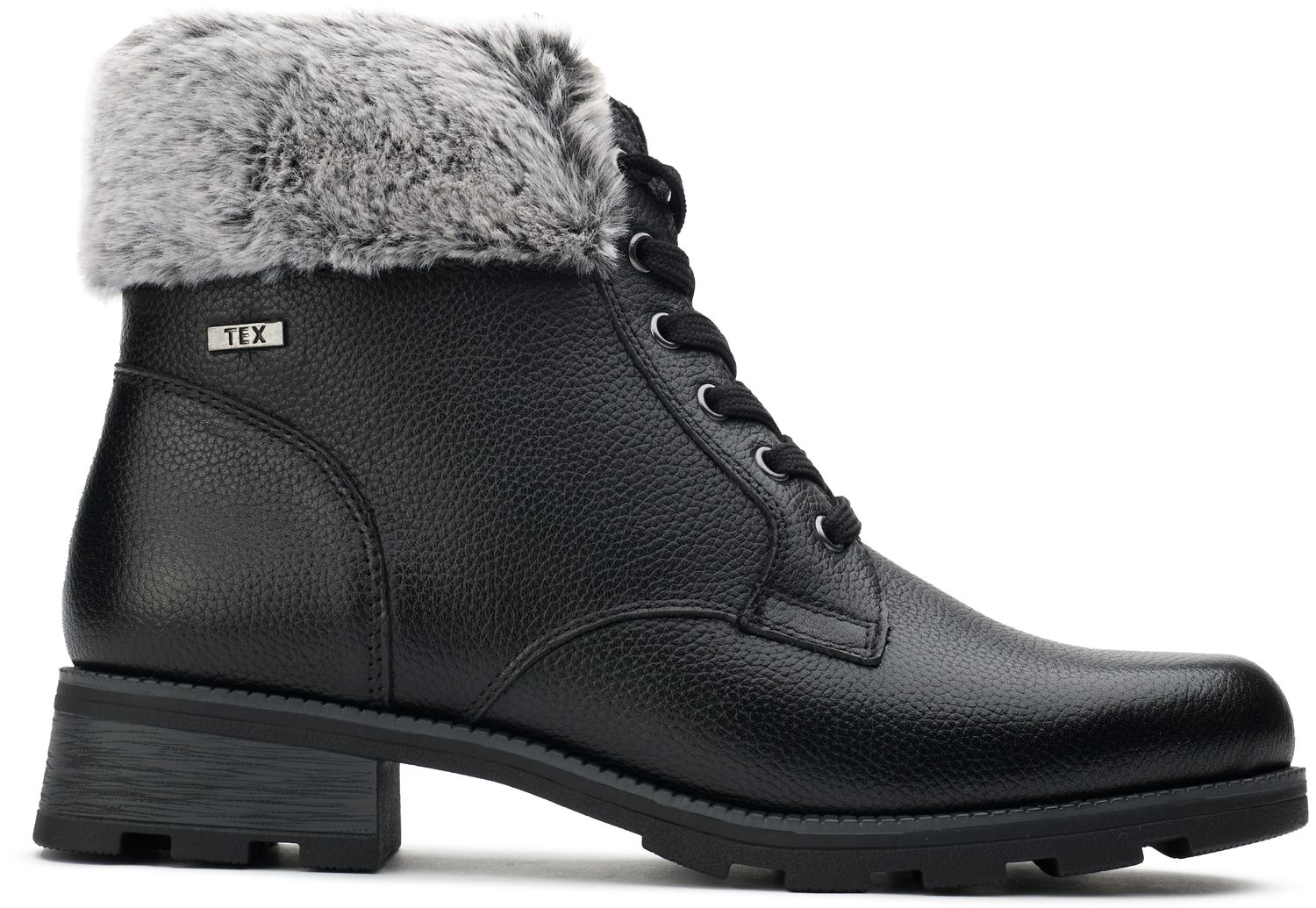
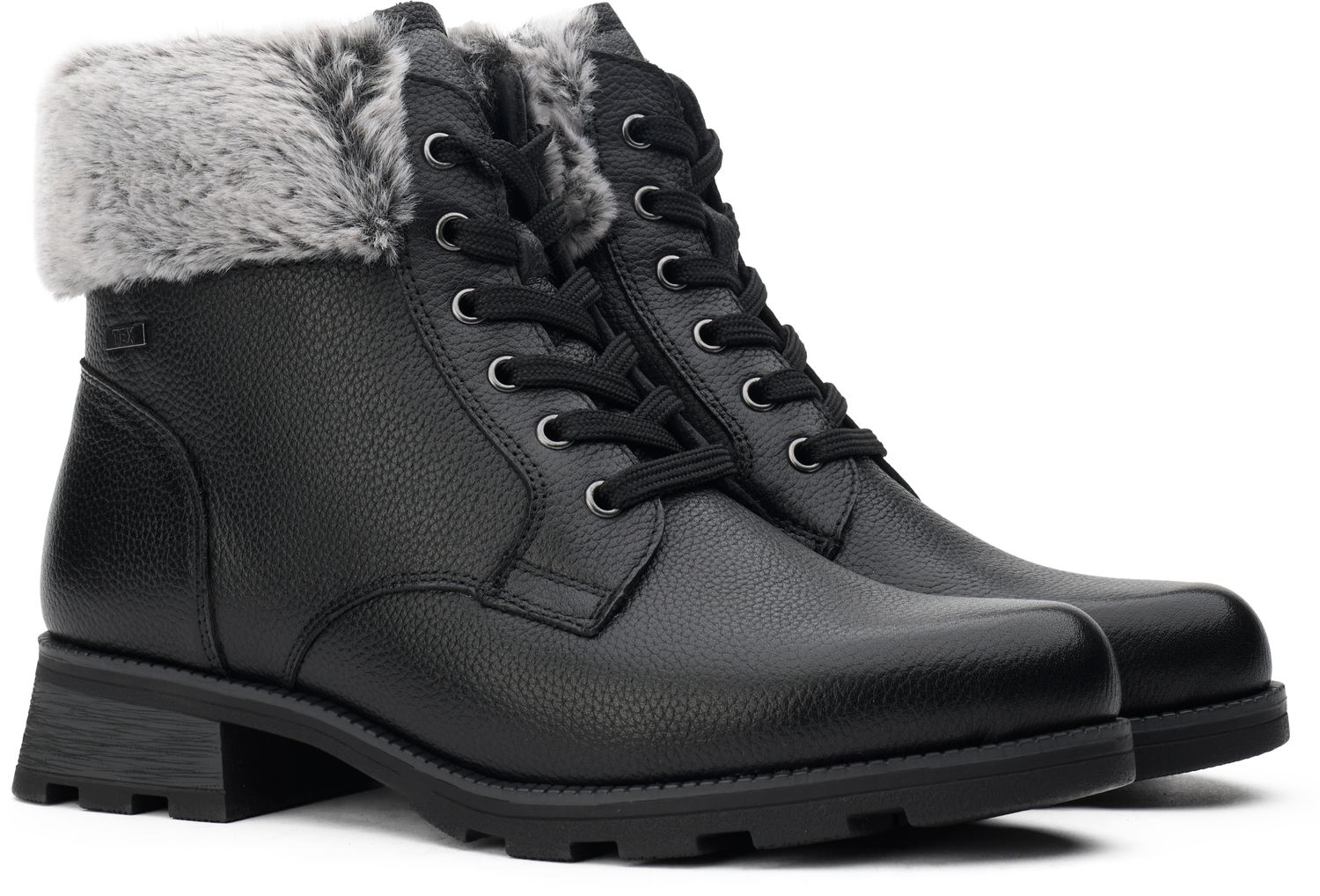
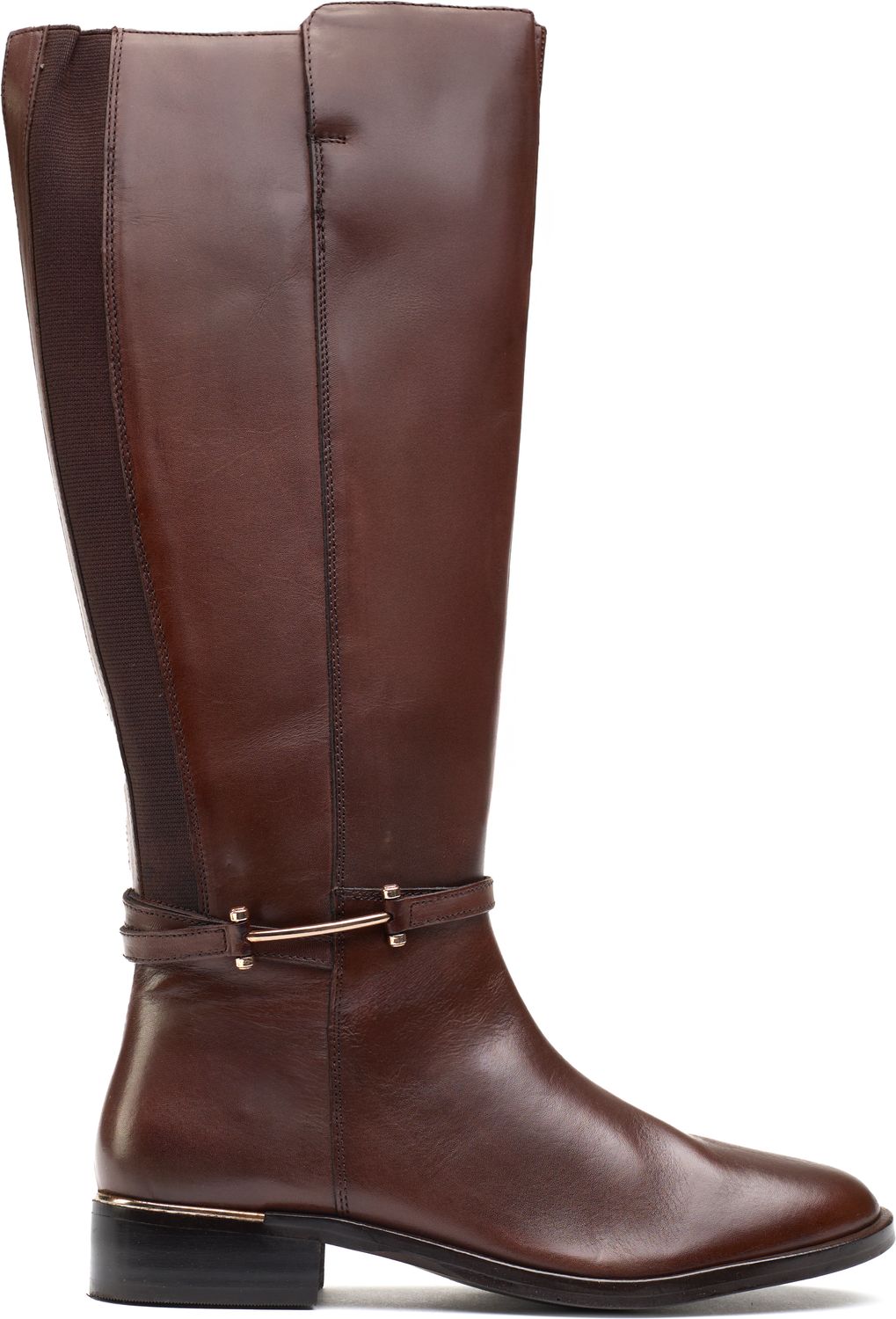
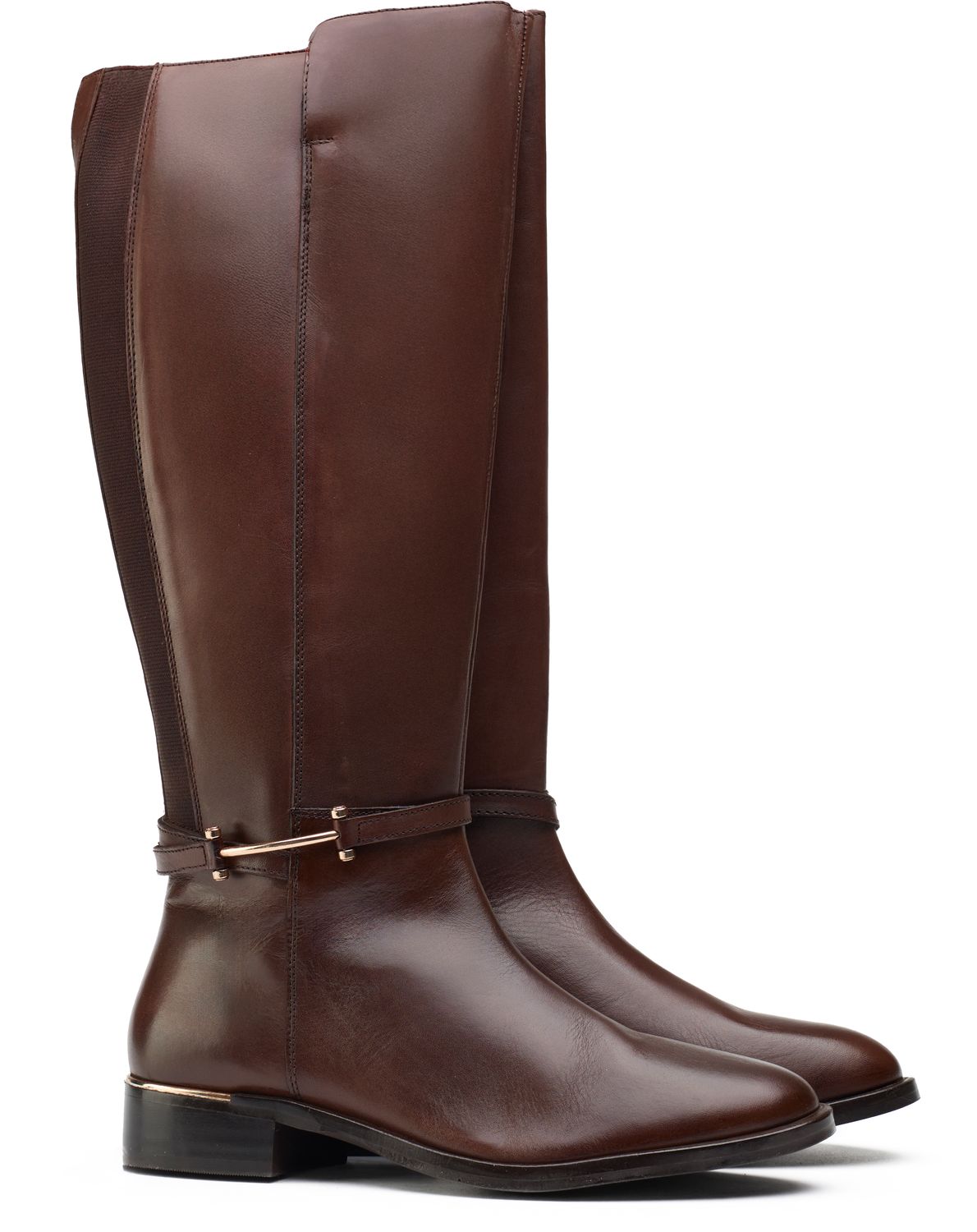
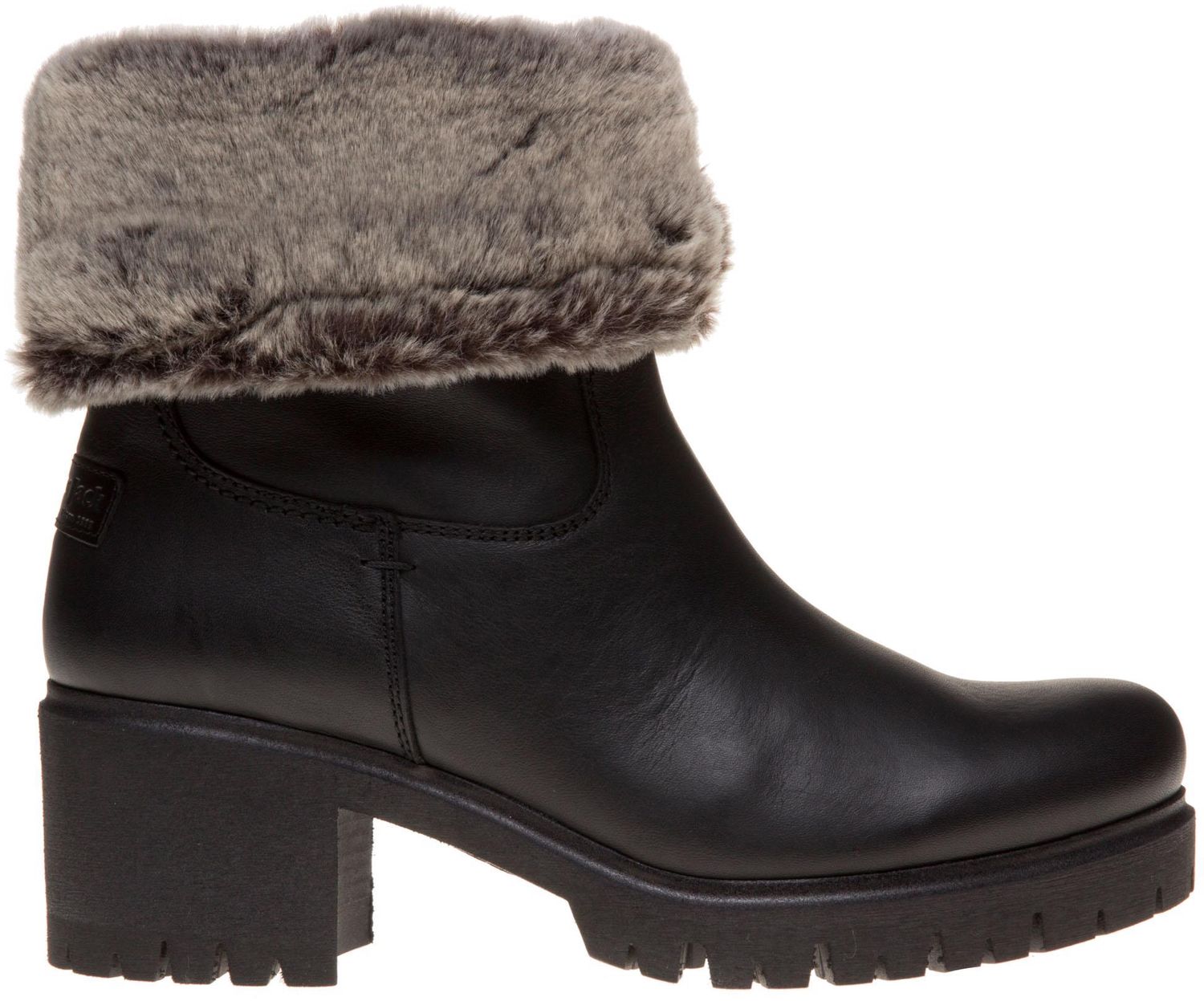
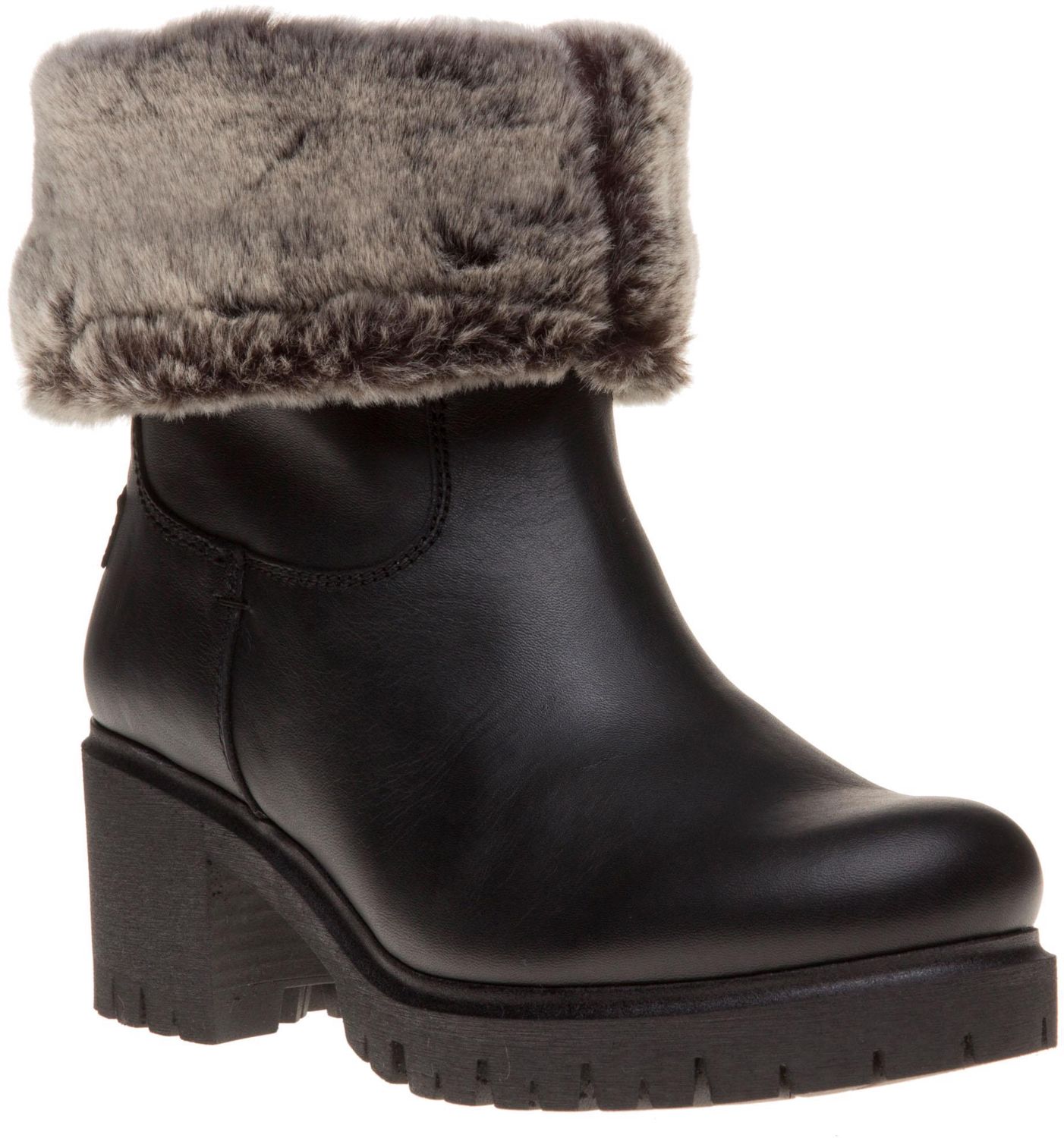
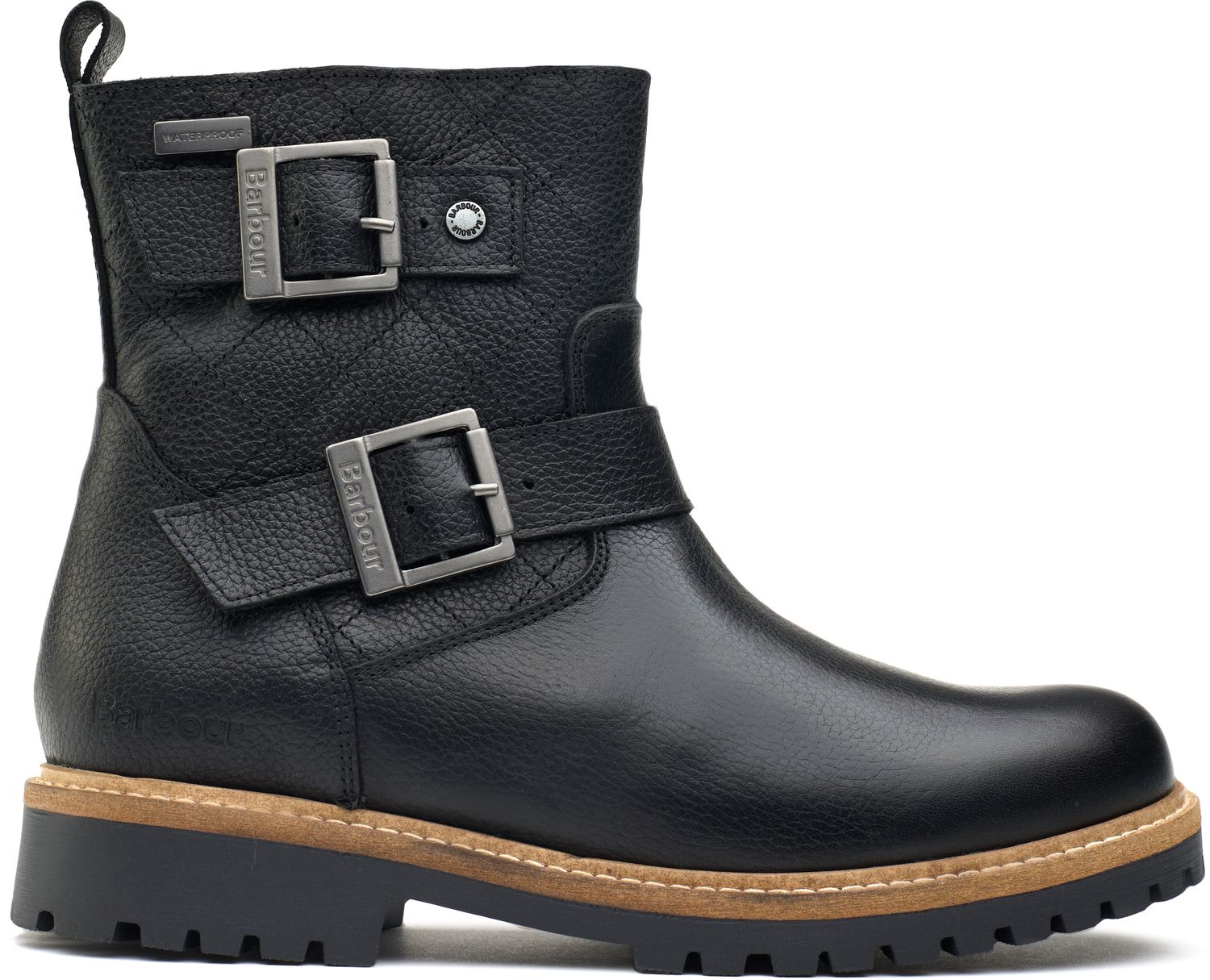
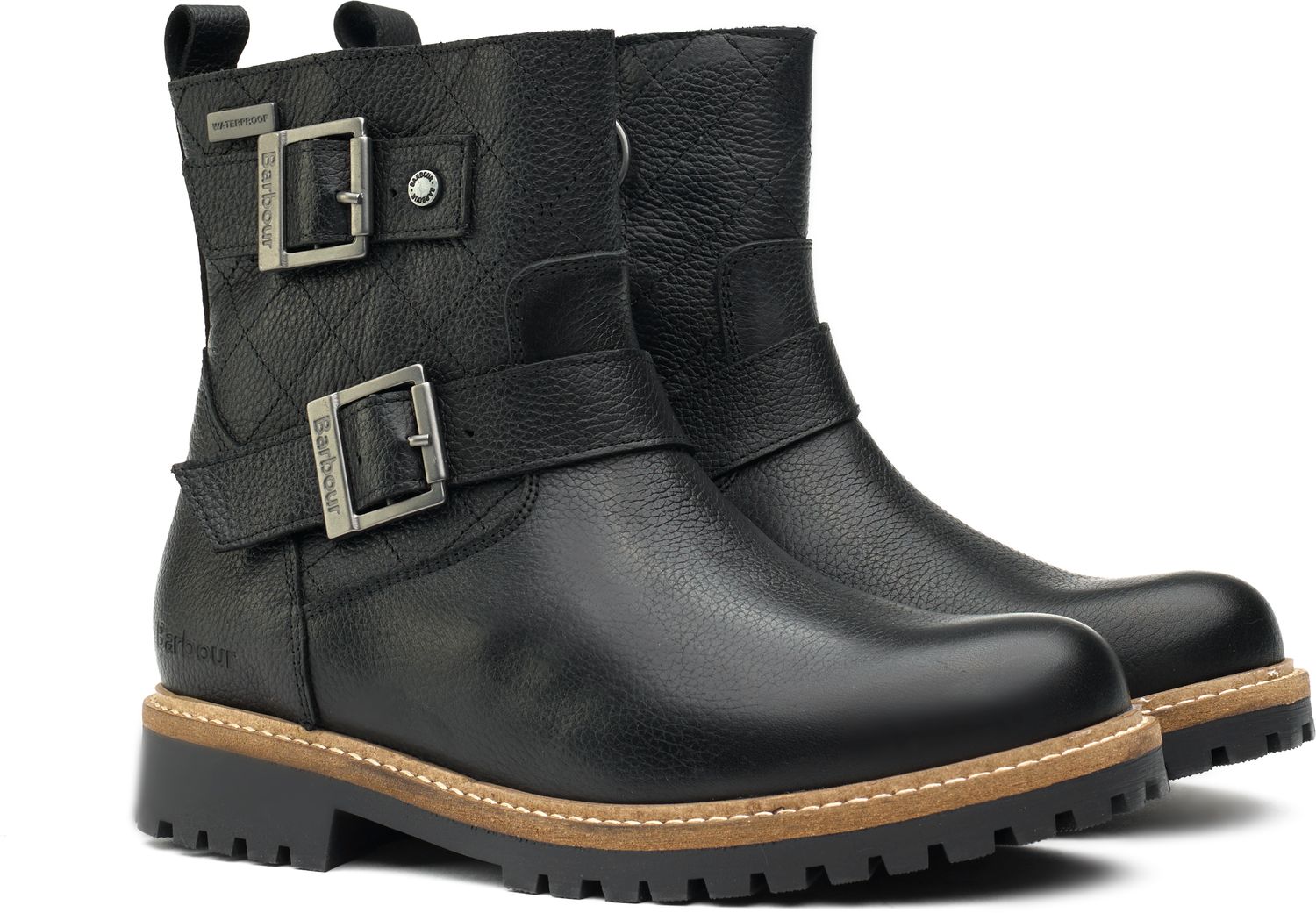
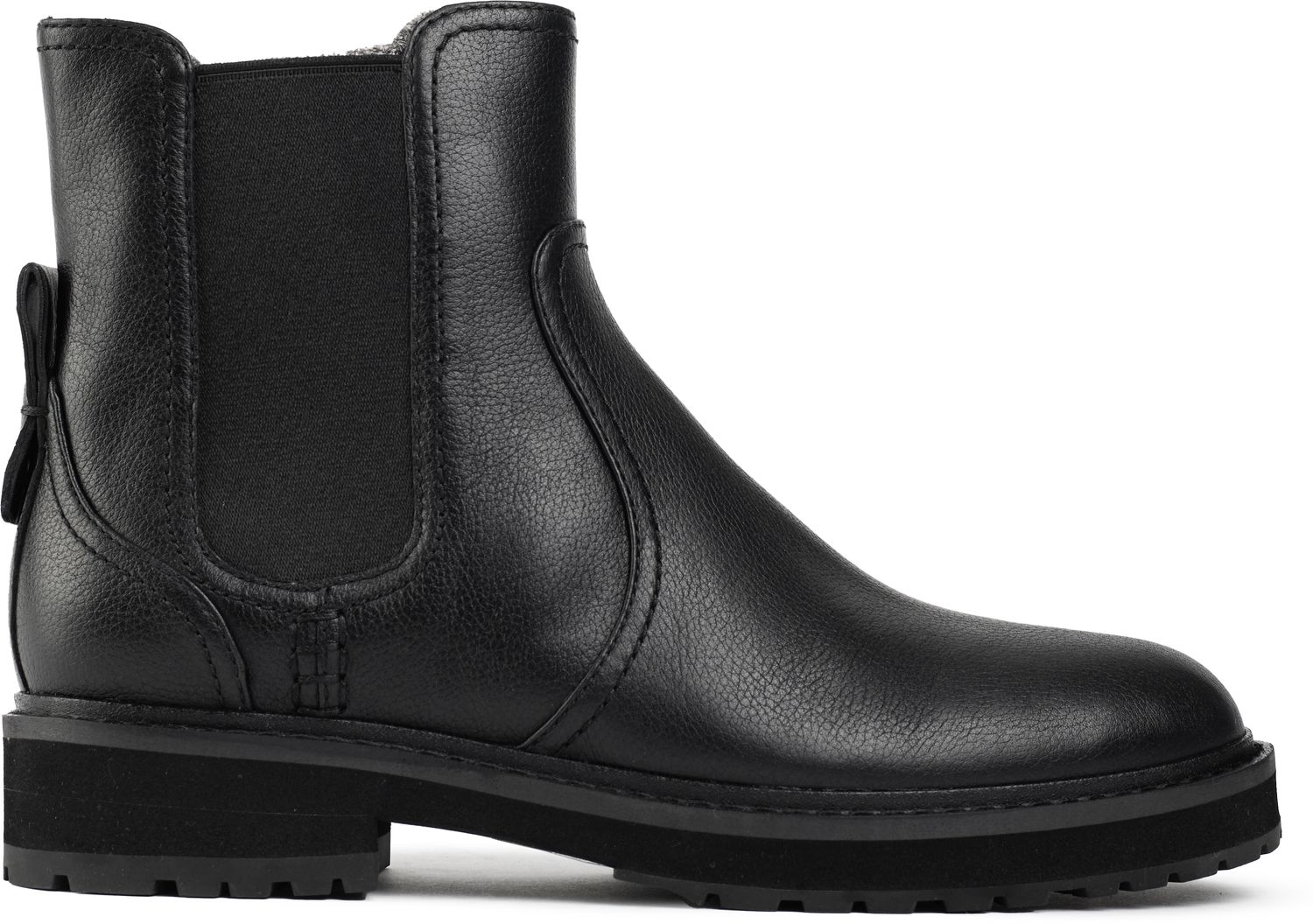
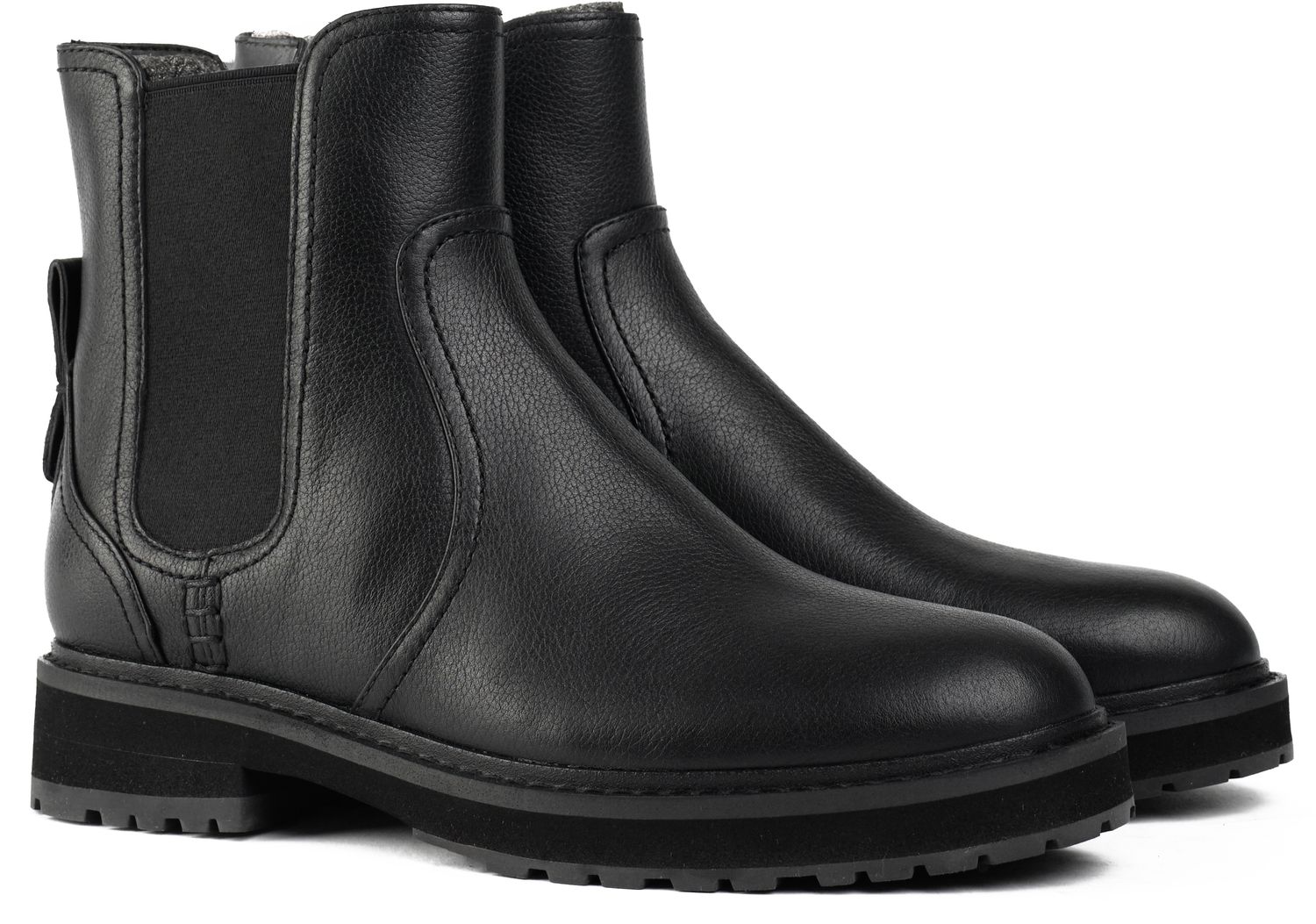
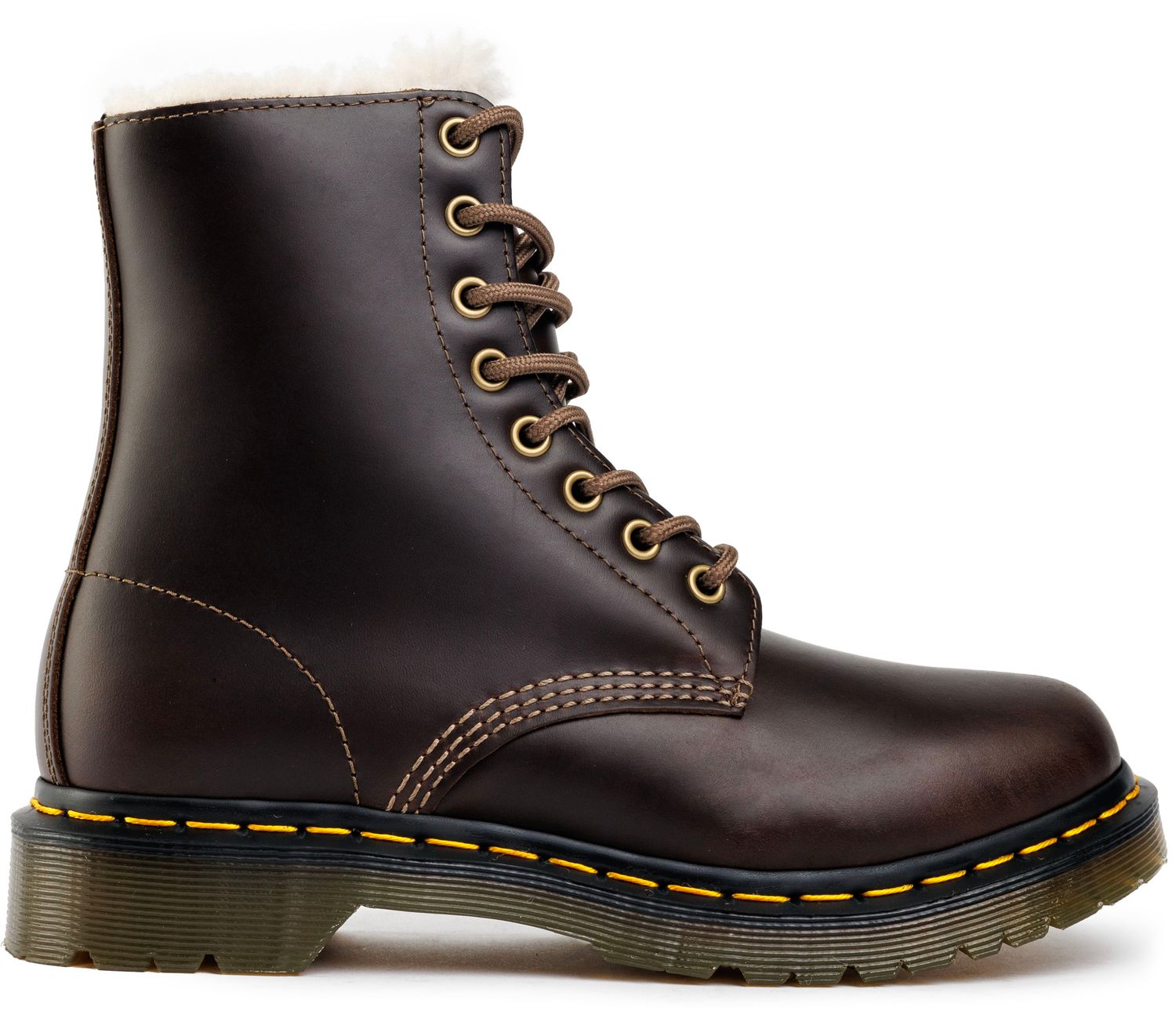
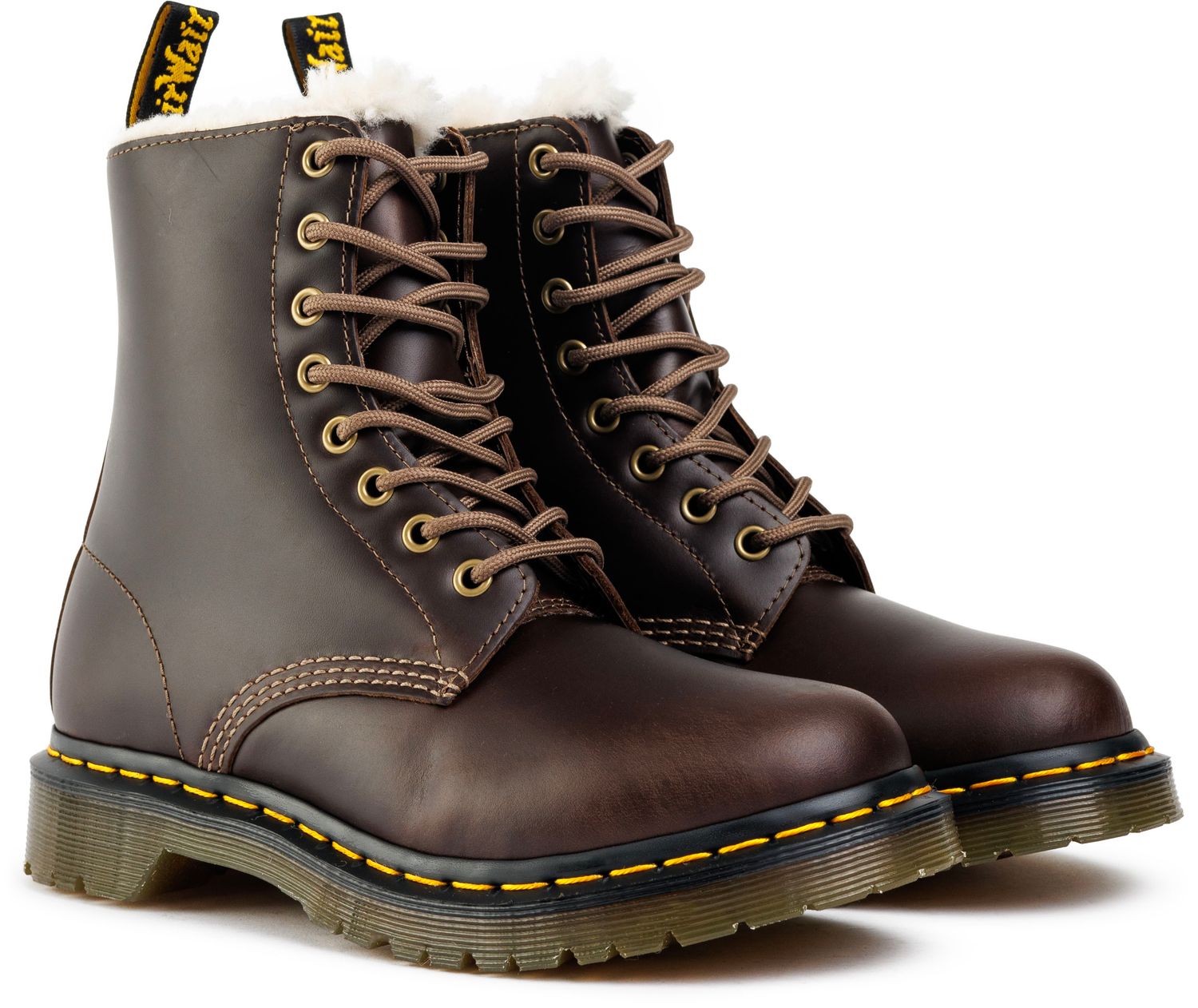
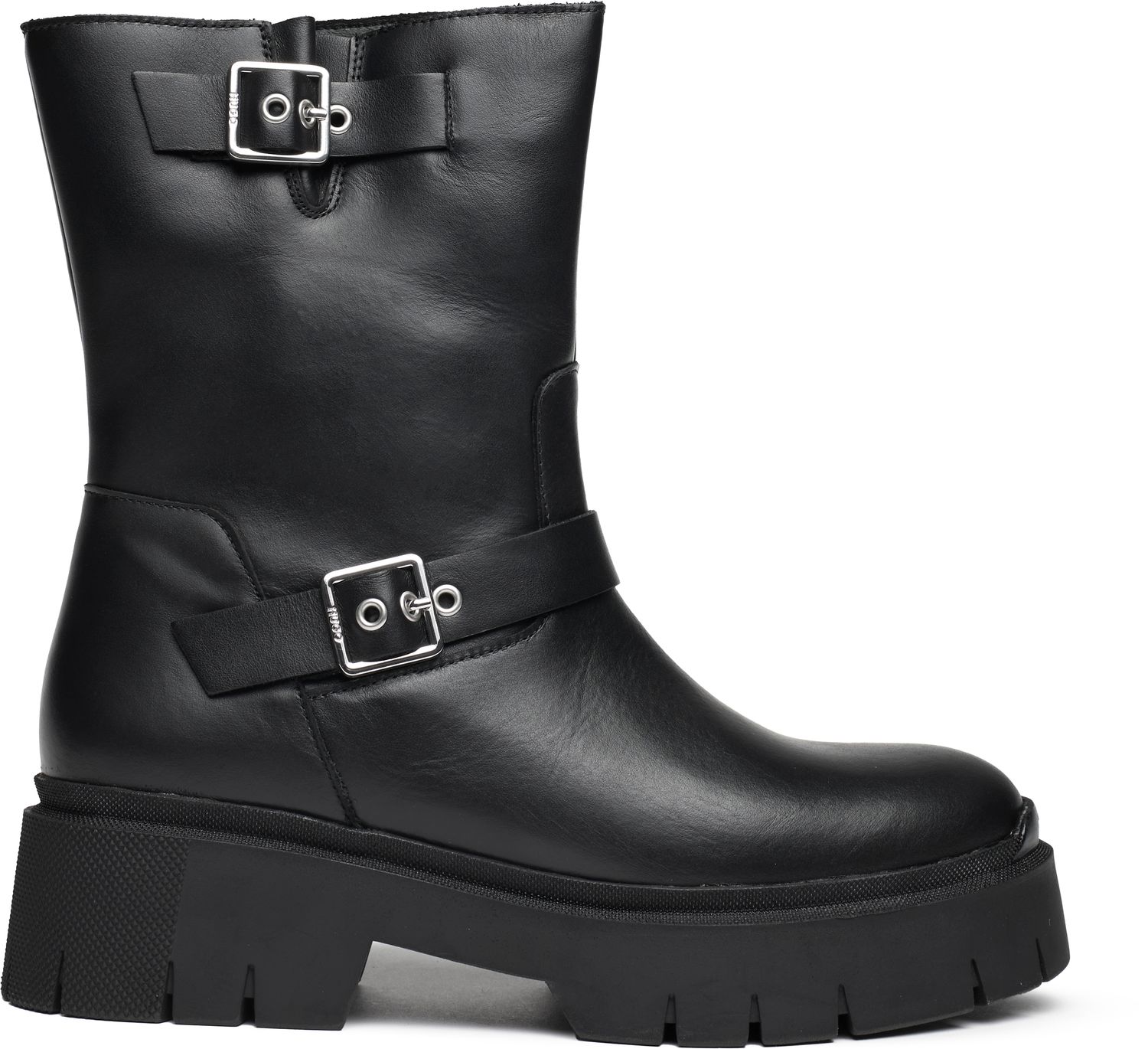
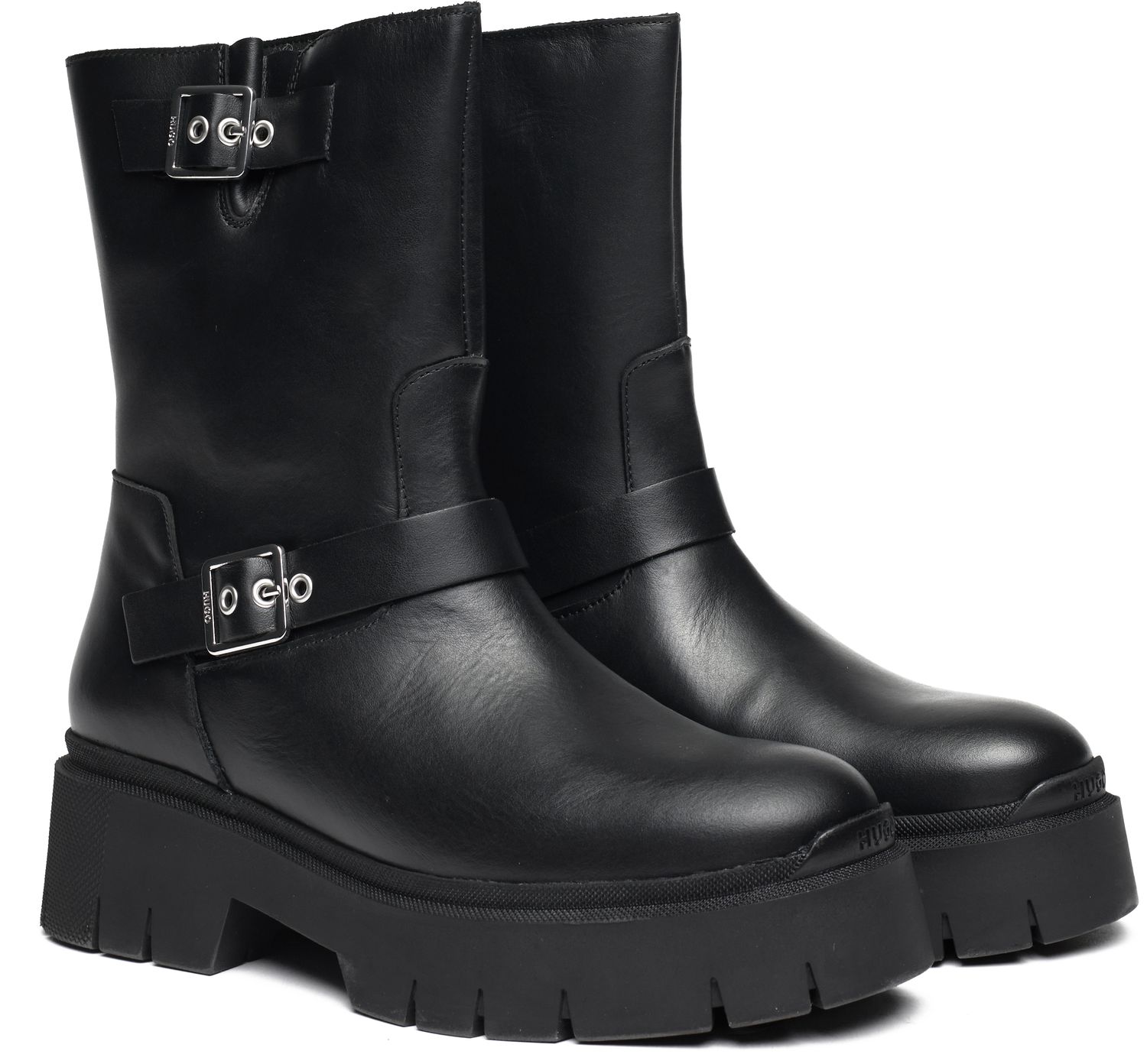
Women's Leather Boots
Women's Leather Boots FAQs
Investing in quality leather boots raises different questions than synthetic alternatives. Whether you're wondering about care, breaking in new boots, or which leather types suit different needs, we've answered the questions that matter most when choosing leather boots.
Why choose leather boots over other materials?
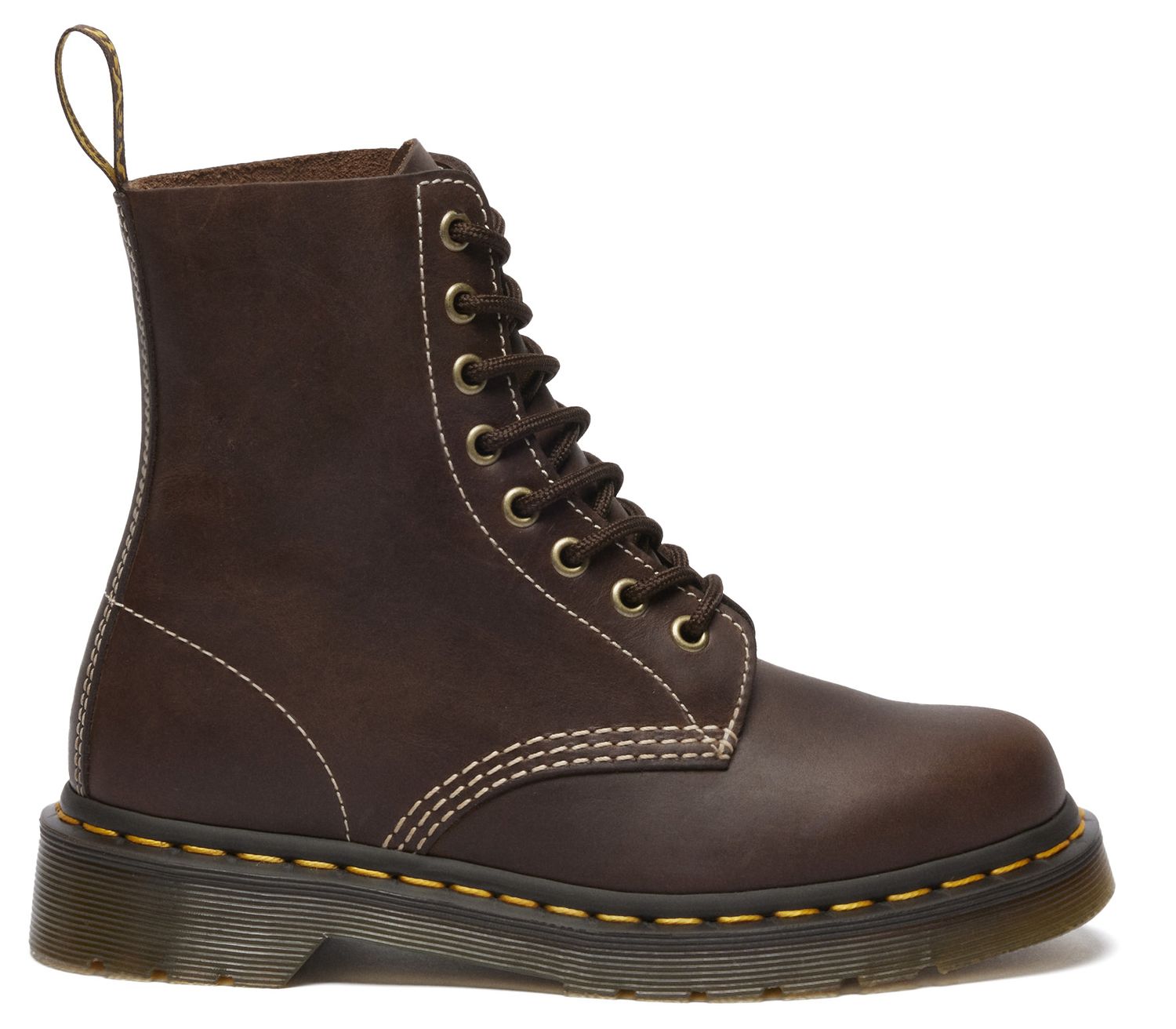
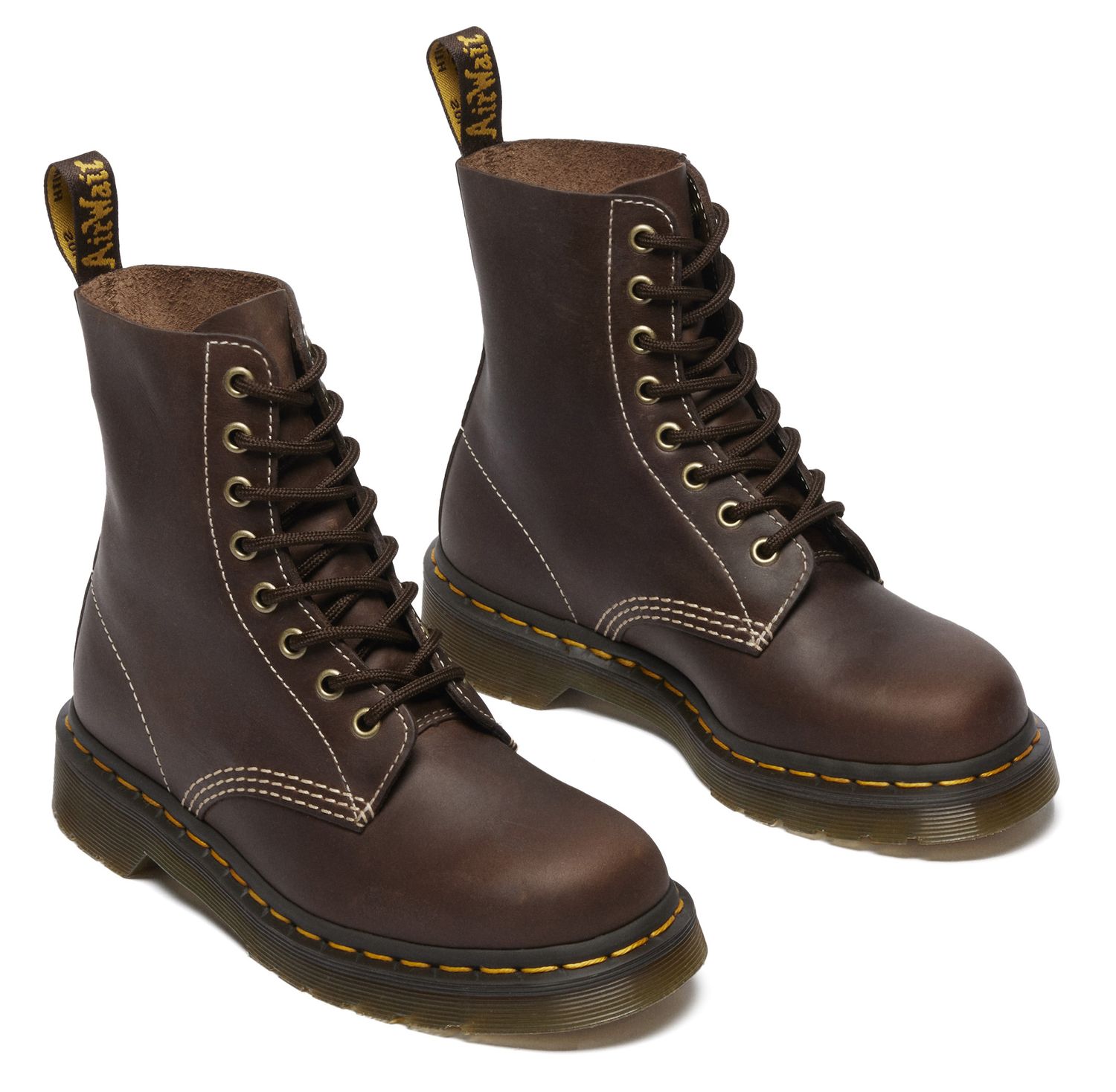
Leather boots breathe better than synthetic alternatives, reducing moisture and odour while keeping feet comfortable. Quality leather moulds to your foot shape over time, creating a custom fit that improves with wear. Leather boots also repair better than synthetic boots, with scuffs and scratches polishing out rather than showing permanent damage. Full-grain leather from brands like Dr Martens and Moda in Pelle develops rich patina over the years, making them more attractive with age rather than looking worn out.
How do I break in leather boots?
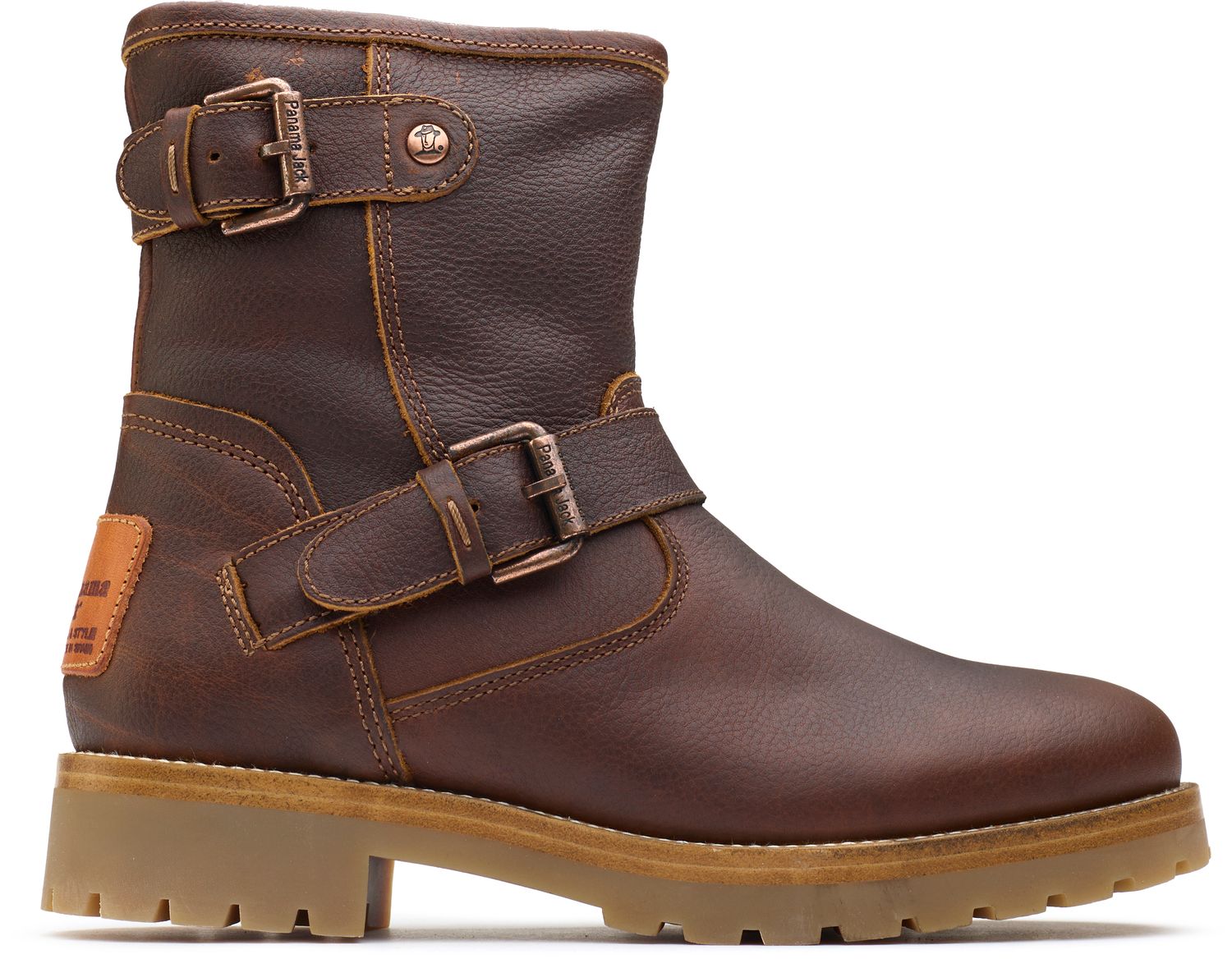
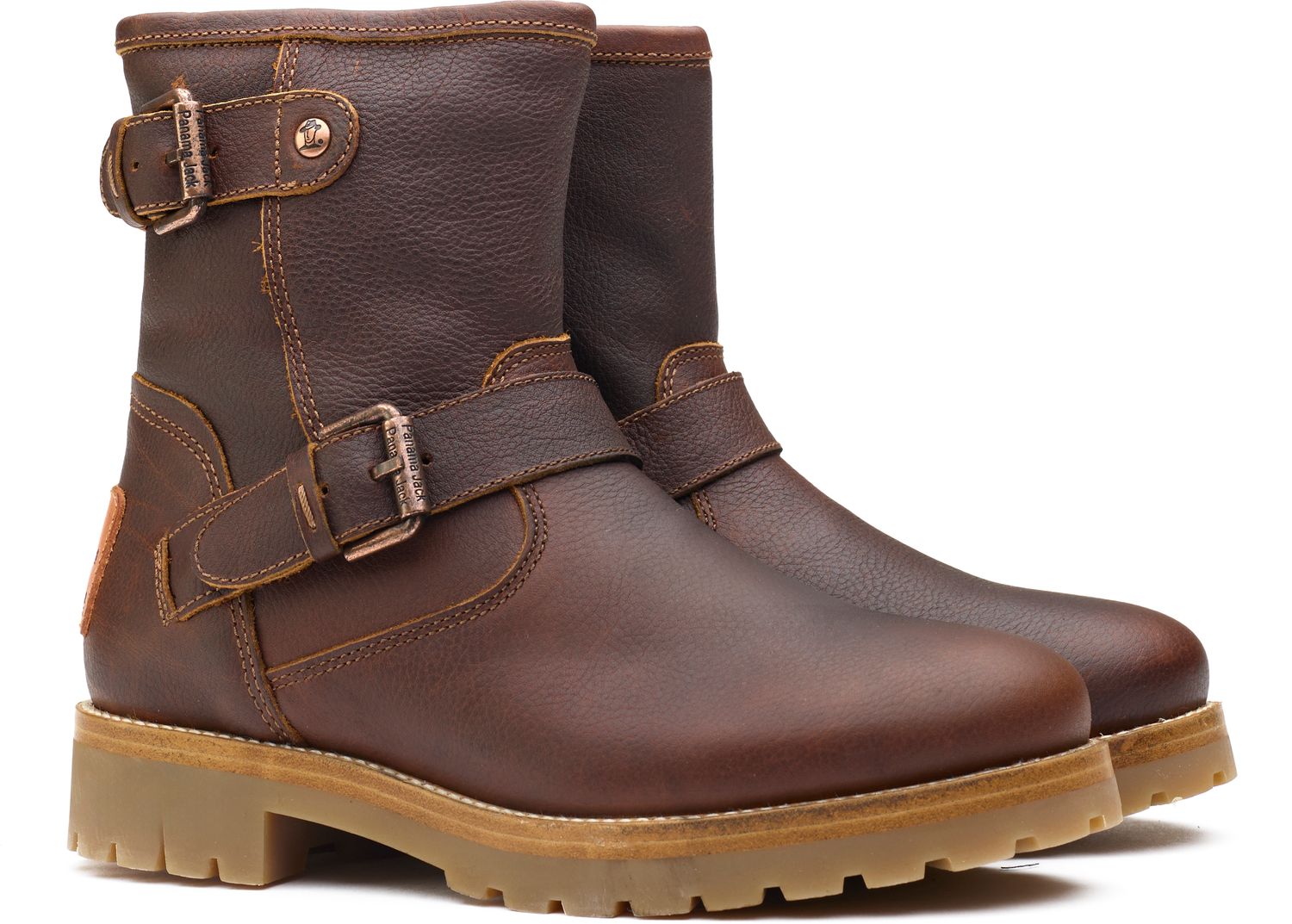
Wear new leather ankle boots for short periods initially, gradually increasing wear time over a week or two. Leather conditioner softens stiff areas and speeds the break-in process. Thick socks protect against blisters during this period. Focus on wearing boots around the house first before committing to full days out. Quality leather from brands like Panama Jack typically breaks in within two weeks, while cheaper leather may take longer or never truly conform to your feet.
What's the difference between full-grain and other leather types?
Full-grain leather retains the hide's complete surface, making it the most durable and premium option. It develops beautiful patina and resists moisture better than corrected-grain or split leather. Top-grain leather has the surface lightly sanded for uniformity, offering good quality at lower prices. Split leather (often called suede on the rough side) is less durable but offers a different aesthetic appeal. Black leather boots made from full-grain leather command higher prices because they wear in over decades, not years.
How do I care for leather boots properly?
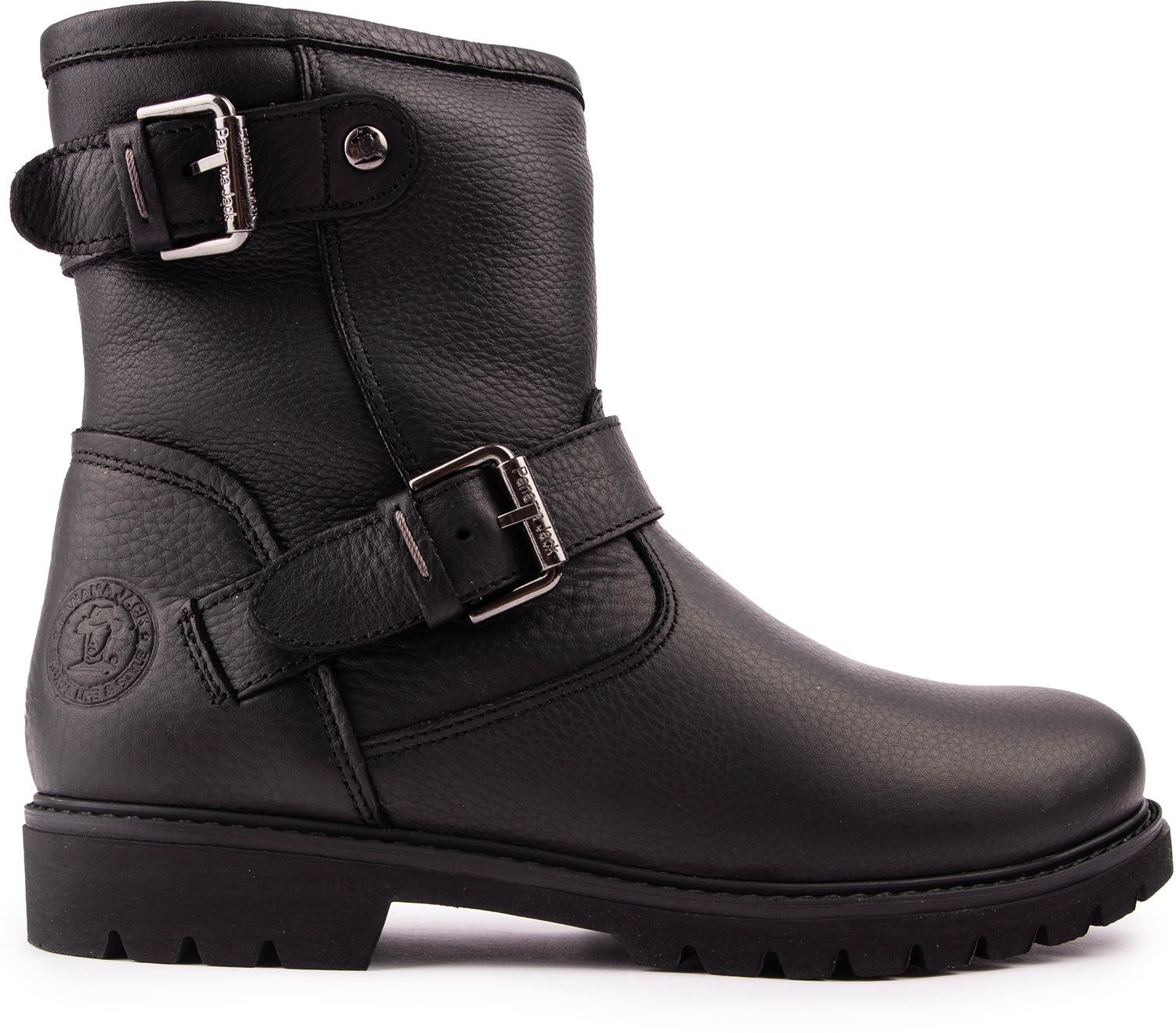
Clean women's leather boots after each wear with a soft brush or damp cloth to remove dirt before it sets. Apply leather conditioner every 4-6 weeks to prevent cracking and maintain suppleness. Waterproof spray creates a protective barrier against moisture and stains. Polish black leather boots regularly to restore colour and shine. Store boots with boot trees or stuffed with paper to maintain shape. Allow wet leather boots to dry naturally away from direct heat, which can crack and damage leather permanently.
Are leather ankle boots suitable for all seasons?
Yes, though the specific leather type matters. Smooth leather ankle boots work across three seasons, paired with bare legs in summer or tights in winter. Lined leather boots suit cold weather, while unlined versions handle warmer months. Treated leather from Panama Jack handles rain and snow, while delicate dress leather needs more careful weather consideration. Suede leather boots look stunning but require protective sprays and avoid heavy rain entirely.
What makes dress leather boots different from casual styles?
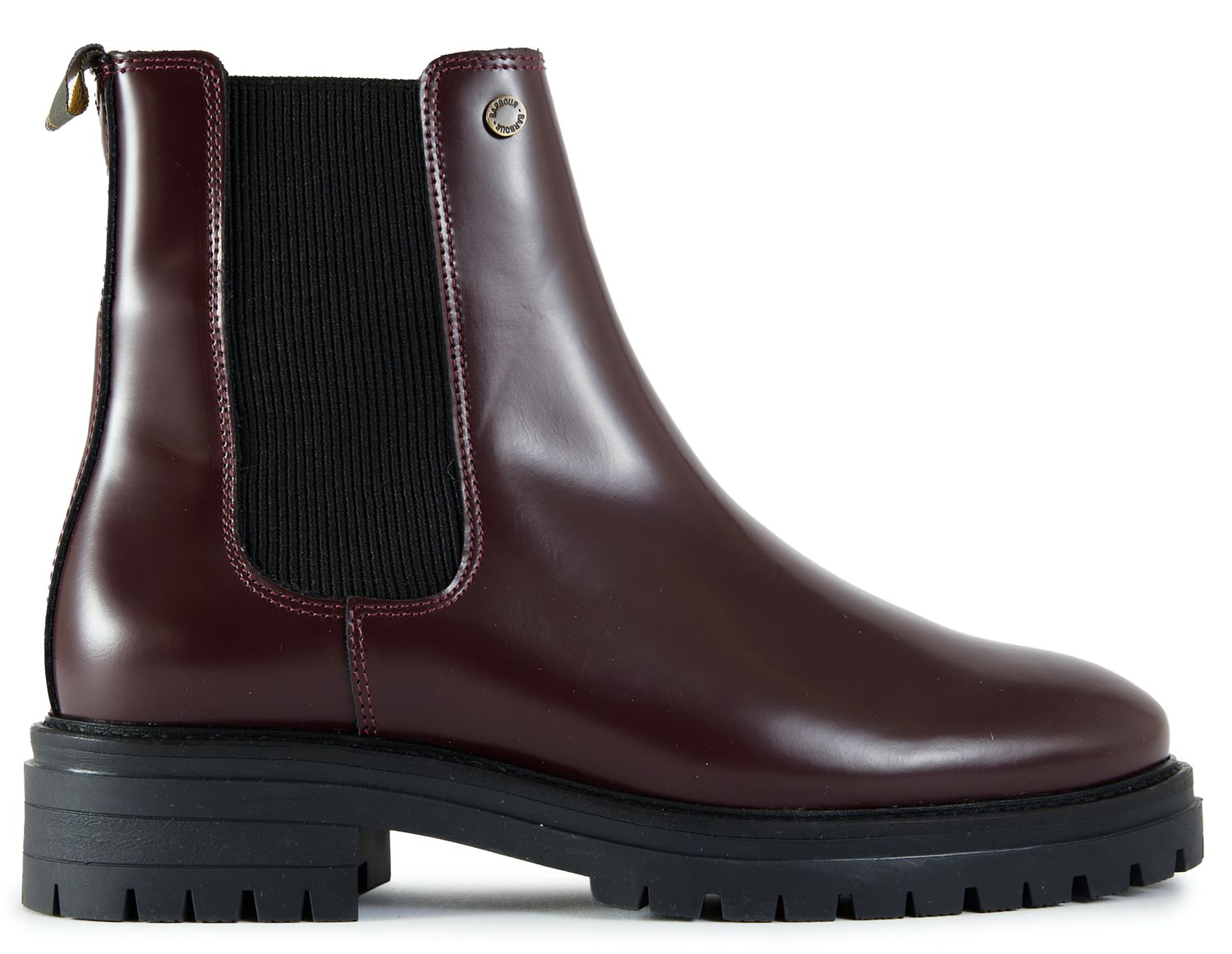
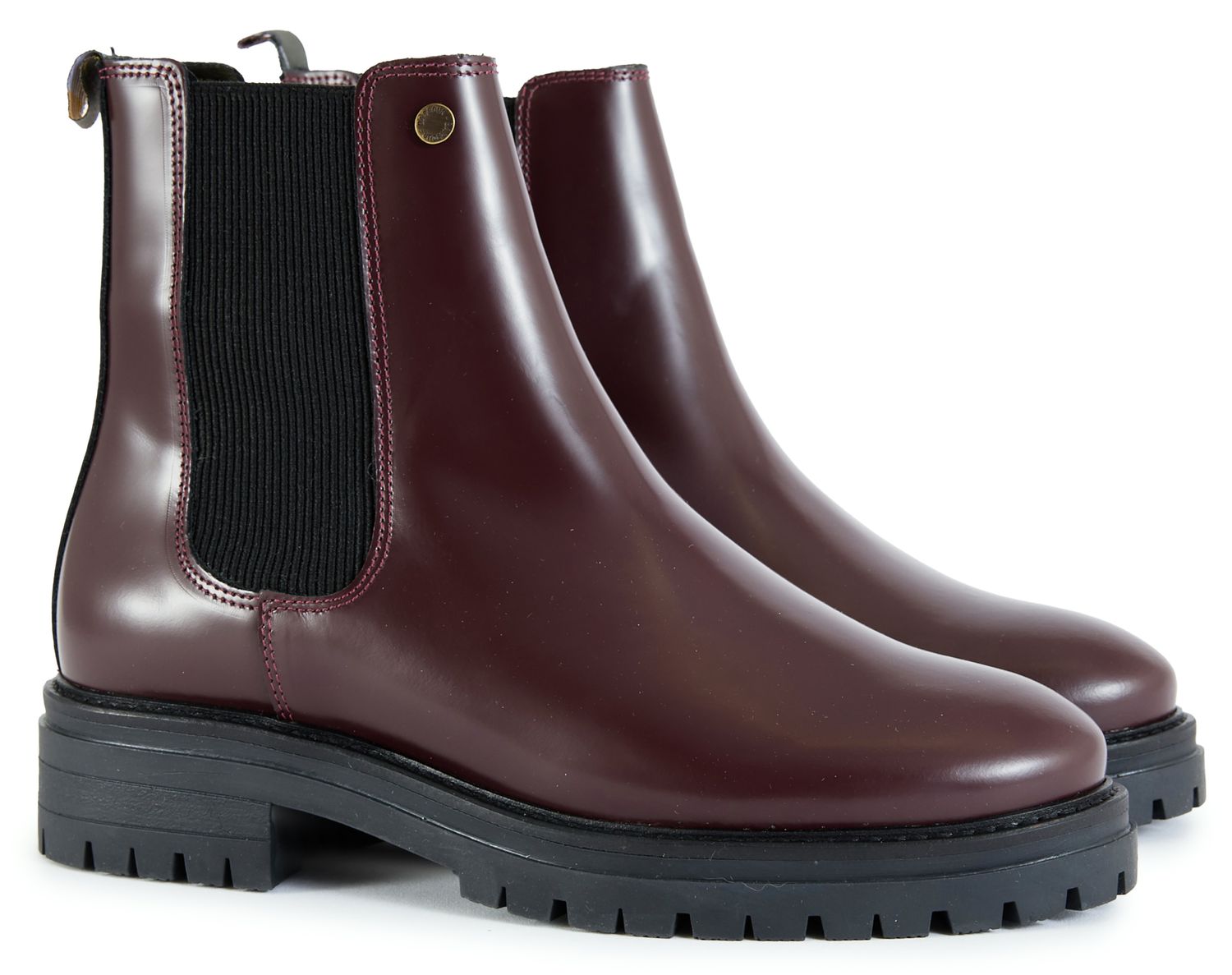
Dress leather boots feature sleeker silhouettes, minimal hardware, and refined finishes that pair with tailored clothing. They typically use finer leather with polished finishes rather than rugged textures. Dress leather boots from brands like LK Bennett and Moda in Pelle prioritize elegant lines over chunky soles. Casual leather boots embrace bolder hardware, distressed finishes, and substantial soles that work with jeans and relaxed looks. Both serve different wardrobe needs, making each worth owning.